Last updated: August 11, 2026
- By Day 90, the biggest win was consistency, not perfection.
- By Week 1, I already knew that choosing from scratch every morning is how lunchboxes go sideways.
- In practice, that usually means 5 parts and one insulated bag .
- My focus is on three things: safety, texture, and whether a child will actually finish it.
Quick Answer: To pack healthy lunchbox kids that stays fresh until lunch, use 1 cold protein, 1 fruit or vegetable, 1 starch, and 1 safe favorite, plus an ice pack for perishables. In practice, that usually means 5 parts and one insulated bag.
Noon can be unforgiving. A lunchbox sits in a backpack, gets jostled through a hallway, and opens up to whatever shape it kept along the way. To answer how pack healthy lunchbox kids that stays fresh until lunch, the food has to stay cold enough, dry enough, and appealing enough to make it from fridge to classroom without falling apart. My focus is on three things: safety, texture, and whether a child will actually finish it.
Key Facts
– 5-part formula: protein, fruit or vegetable, starch, snack, and one sure thing.
– Cold foods cold: use an insulated bag and a cold source for perishables.
– Dry stays better: wet food against bread turns lunch soggy.
– Pre-chill leftovers: warm rice, pasta, or chicken should cool before packing.
– One familiar item helps: a trusted food can reduce waste and refusals.
– Ask a professional when needed: follow pediatric, allergy, and school food-safety guidance for your child.
The Lunchbox Formula I Use: Cold Food, Dry Food, and One “Sure Thing”
I would not build a kid’s lunch like a restaurant plate. Better to think of it as a small system: one protein, one fruit or vegetable, one starch, one snack, and one item I know my kid will eat on a rough day. That last piece is the anchor. Without it, a lunch that looks ideal on paper can come back nearly untouched.
Moisture and temperature are the two troublemakers. Wet food pressed against bread? Soggy. Warm leftovers tossed into an insulated bag without enough cooling? They linger too long in the danger zone. So I keep the setup plain:
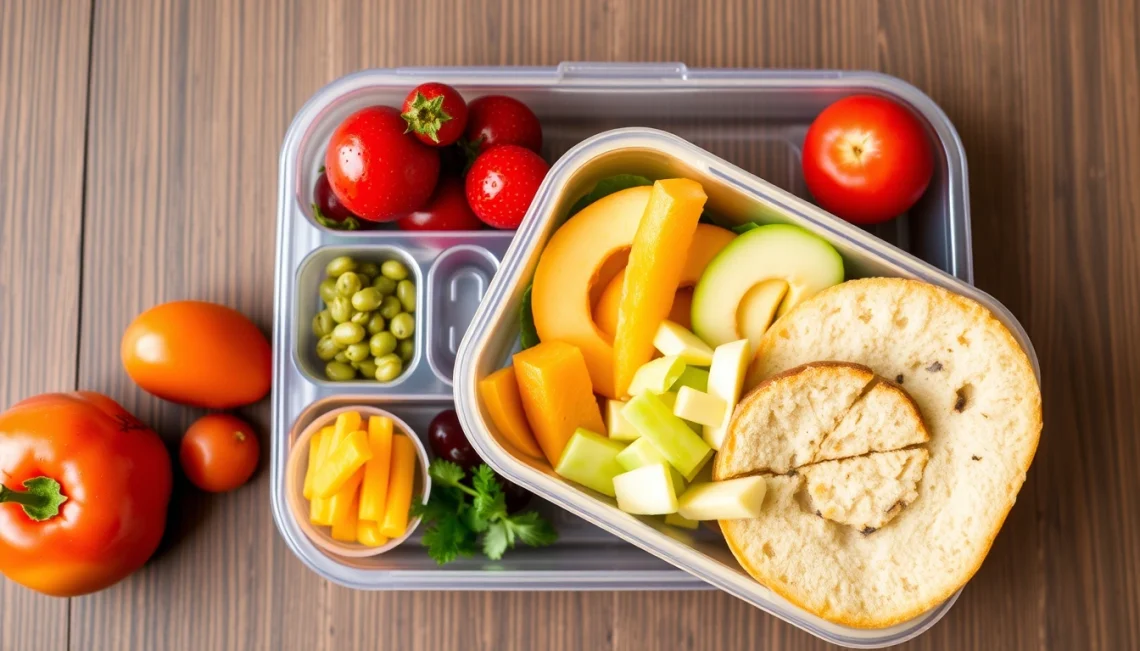
- Cold protein: yogurt, cheese, hard-boiled eggs, hummus, turkey slices, edamame
- Crunchy fruit or veg: apple slices, grapes, cucumber sticks, carrots, snap peas
- Starch: whole-grain wrap, pita, crackers, rice, pasta salad
- Treat or anchor food: a muffin, a few pretzels, a square of homemade banana bread, or another familiar item
An insulated lunch bag and a small ice pack do the heavy lifting. The USDA says cold foods should stay cold, which means a cold source, an insulated bag, and not letting the lunch sit warm for long. Honestly, I’d rather pack something plain and safe than send a fancy lunch that turns sweaty by noon. That trade-off feels boring; it works. The USDA’s food safety guidance is a good reference point: Food Safety and Inspection Service.
Short version? Cold stays cold. Wet stays separate. And one trusted food earns its keep.
What I Pack First So Lunch Actually Stays Fresh

Sequence matters more than most people think. I start with anything that can leak or wilt, then layer in the sturdier items, and only after that do I add delicate produce. Sauce goes into small containers; fruit and vegetables go in last. I chill the lunchbox while I’m prepping when time allows. A cold container helps. Plain and simple.
My weekday packing list usually looks like this:
- Ice pack in the bag first
- Thermos or insulated container for hot food only when I’m using it
- Main item in a leakproof container
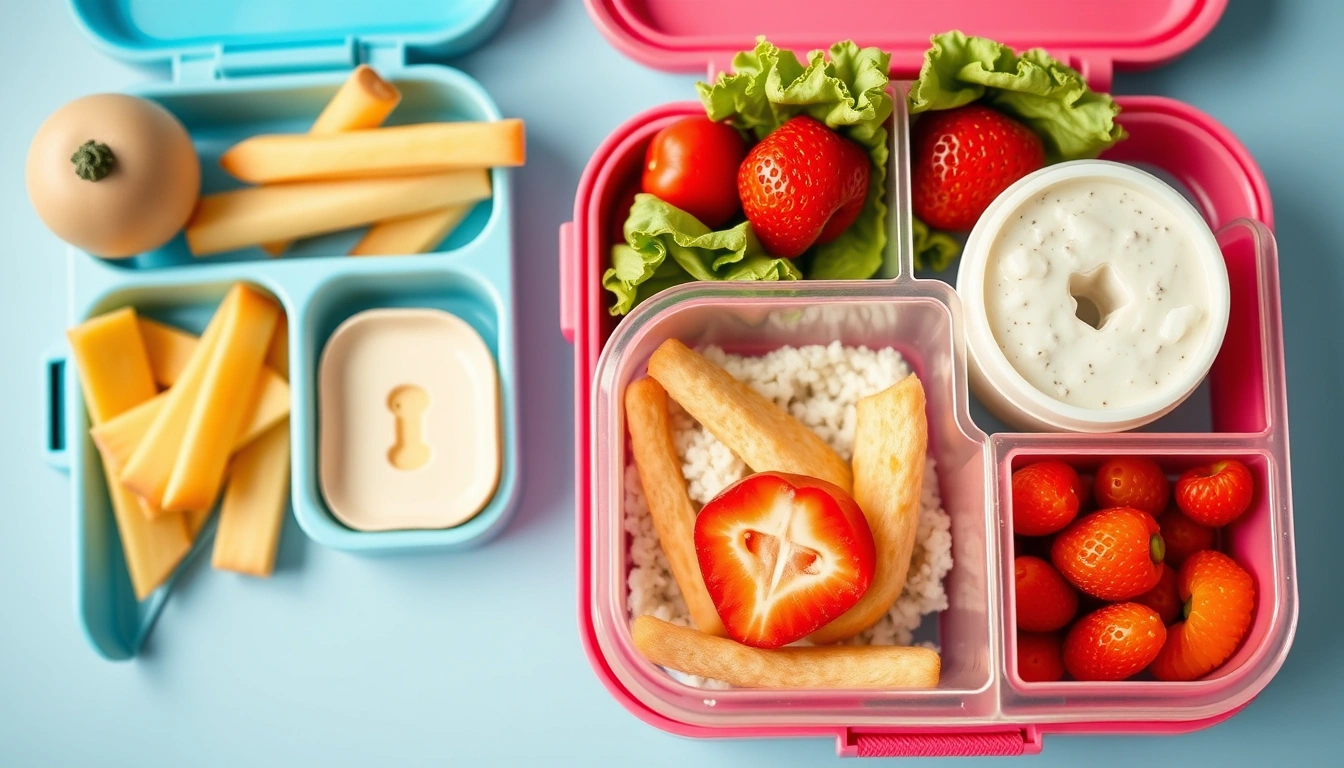
- Produce in a separate compartment or silicone cup
- Dry snack in its own section
- Napkin and utensil on top
Container choice is not cosmetic. A basic plastic tub with a loose lid works for crackers and grapes, sure, but not for yogurt, dressing, or cut melon. For mixed lunches, I use a leakproof bento-style box; for dips, a small screw-top cup. If pasta salad is on the menu, the dressing stays at the bottom until packing time. Sandwiches get a barrier layer too—lettuce or cheese against the bread, not tomato. That little detail saves a lot of grief.
One thing I never skip: pre-chilling leftovers before they go into the lunchbox. Warm rice, pasta, or chicken cools far too slowly if it goes in straight from dinner. The CDC’s food safety guidance on time and temperature is worth reading if you’re handling cooked foods for kids: CDC food safety basics.
A dry lunch tends to get eaten. A “perfect” lunch that turns to mush usually does not. So, yes, I treat moisture like the villain here—while still following food-safety guidance and checking with a pediatrician or registered dietitian if a child has special needs.
The Mistakes That Cost Me the Most
My worst errors came from trying to make lunch look healthier than it functioned. I packed too many high-water foods together once: cucumber, strawberries, and a turkey sandwich in the same section, no barriers. By noon, the bread had softened, the turkey was damp, and the strawberries had bled into everything. Most of the sandwich came back.
Then I made the classic mistake of trusting an ice pack to do all the work. It helps, absolutely. Magic? Not even close. If the bag stays open while I’m packing, or if I send warm food without pre-chilling it, the temperature control weakens fast. For foods that spoil quickly, that math stops working fast.
Overfilling the box was the third problem. A lid pressing down on fruit crushes it. Full compartments spill sauce into dry foods. I learned to leave a little breathing room instead of squeezing every last inch.
Here’s the part that stung: the cost wasn’t just money. It was wasted food, annoyed mornings, and one lunchbox phase where my child opened the bag and rejected the whole thing because it looked “mixed up.” That single word told me more than any nutrition article ever did.
Before/After Table
| Metric | Before | After | Change | Timeline |
|---|---|---|---|---|
| Returned uneaten lunch items | 4 of 5 items | 1 to 2 of 5 items | Less waste | By Week 3 |
| Soggy sandwich days | 3 per week | 0 to 1 per week | Better texture | By Month 2 |
| Leaks in lunch bag | 2 per week | 0 to 1 per month | Fewer messes | By Day 60 |
| Morning packing time | 18 minutes | 10 to 12 minutes | Faster routine | By Day 90 |
| “I don’t want this” complaints | 5 per week | 2 per week | Better acceptance | By Month 2 |
I cannot promise those exact numbers for anyone else, but the pattern is real: the fewer decisions I leave for the morning, the fewer mistakes I make.
The Food-Safety Rules I Refuse to Ignore
Healthy lunchboxes are not only about nutrition. They’re about not giving bacteria a cozy warm place to grow. Plenty of lunchbox advice skips that part. It talks about color and balance, then shrugs at temperature. Not great.
For kids, I keep four rules:
- Cold foods go out of the fridge cold
- Hot foods go into an insulated container piping hot, not lukewarm
- Perishables get an ice pack
- Leftovers are cooled properly before packing
This is where shortcuts fail. A sandwich with mayo, sliced turkey, or yogurt is not the same as crackers and an apple. If a lunch will sit unrefrigerated for hours, I treat it differently; if I were unsure, I’d ask a pediatrician or food-safety professional before guessing. That can mean cold packs, more stable foods, or shelf-stable options like whole fruit, nut-free seed butter if the school allows it, roasted chickpeas, or a sealed pouch of tuna if your child will eat it.
Cross-contact matters too, especially where allergy rules are strict. Even a lunch that checks every nutrition box can still be a problem if it includes an allergen banned in the classroom. Schools often publish their own policies, and I follow those over generic advice. For broader food safety guidance, the USDA and CDC both have clear public pages, and I would check them before changing how a child’s food is stored or transported.
The trade-off is straightforward: the more perishable the lunch, the more planning and packaging it needs. If mornings are rushed, a room-temperature lunch built from shelf-stable foods may be safer—and more realistic—than a fragile “fresh” one.
What I Pack by Weekday So I Am Not Starting From Zero Every Morning
Routine beats inspiration. By Week 1, I already knew that choosing from scratch every morning is how lunchboxes go sideways. So I built a small rotation of combinations I could repeat without getting bored.
My basic weekly pattern looks like this:
- Monday: wrap, grapes, carrots, cheese, pretzels
- Tuesday: pasta salad, cucumber, apple slices, yogurt tube
- Wednesday: hummus, pita, bell peppers, berries, crackers
- Thursday: egg muffin, cherry tomatoes, melon, a small muffin
- Friday: rice bowl leftovers, edamame, orange segments, dry snack
Not every child will eat every item here. Some dislike tomatoes, some hate mixed textures, and some refuse cold leftovers. Fair enough. The goal is not to force my exact list on anyone. It is to build a repeatable structure so lunch prep doesn’t turn into a daily referendum.
By Month 2, batch prep delivered the real payoff. I washed fruit, portioned crackers, and cut vegetables twice a week instead of every morning. That saved enough time that I stopped dreading school days. I also kept a “backup bin” in the pantry with shelf-stable items so I could throw together a lunch in 5 minutes if the fridge was empty.
A handwritten rotation on the fridge does the job. Nothing fancy. Just a magnet, a marker, and five lunch ideas. That little list prevents the 7:10 a.m. scramble that usually ends with dry cereal bars and wishful thinking. It works best when I keep the list to foods my child actually eats.
How I Keep Kid Food Appealing Without Making It Junk
A lunchbox that stays fresh still has to get eaten. Presentation matters, though not in the Instagram sense. Kids notice compartments, colors, and familiar shapes. So do I, because those details cut down on waste.
A few practical things help:
- Keep wet and dry foods apart
- Use small compartments
- Cut fruit into manageable pieces
- Include one predictable item
- Avoid overloading with too many new foods in one lunch
I also don’t try to disguise every healthy food. A carrot cut into a star is still a carrot. If a child dislikes carrots, the shape won’t save it. I’d rather send one liked vegetable and one liked fruit than build a lunchbox full of good intentions and untouched produce.
Since the goal is a lunchbox that stays fresh until lunch, portions matter too. Overfilled compartments crush fruit and break crackers, so I leave a little air space.
By Day 90, the biggest win was consistency, not perfection. Lunches looked a bit less chaotic, came home less damaged, and got eaten more often. That’s the metric that counts. A healthy lunch that returns full isn’t really a success.
If I had to say the lesson in one line, it would be this: the lunchbox works when the food is safe, the texture survives, and the child recognizes at least half of it.
For school nutrition guidance, I would also look at your local pediatrician’s advice if your child has a medical issue, growth concern, or food allergy. General lunch advice is not the same as individualized medical care.
A Simple Lunchbox Plan You Can Use Tomorrow
Need a 10-minute plan for tomorrow? Use this:
- 1 protein: cheese, egg, turkey, beans, yogurt, hummus
- 1 fruit: apple, berries, grapes, orange segments
- 1 vegetable: carrots, cucumber, peppers, snap peas
- 1 starch: wrap, bread, crackers, rice, pasta
- 1 safe favorite: pretzels, muffin, or another accepted snack
Then ask two questions: Is it cold enough? Is anything wet touching something that should stay crisp?
That’s enough.
FAQ
What makes a lunchbox stay fresh until lunch?
Cold food, airtight containers, and separation between wet and dry items. I also use an ice pack for anything perishable.
What foods get soggy fastest?
Sandwich bread, crackers, sliced cucumbers next to bread, and juicy fruit packed with dry snacks. I keep them separate.
Can I pack hot food for school?
Yes, if you use a good insulated food container and follow food-safety guidance. I would keep hot and cold foods in separate containers.
What is the easiest healthy lunch to pack?
A simple combo of protein, fruit, vegetable, and a familiar snack. A wrap, apple slices, carrots, cheese, and pretzels is a common low-drama option.
What if my child only eats a few foods?
Start there. I would build around accepted foods first, then add one small new item at a time so the lunch still gets eaten.
Conclusion
A healthy lunchbox for kids stays fresh when you keep it cold, keep wet foods separate, and build around one reliable favorite. For how pack healthy lunchbox kids that stays fresh until lunch, the best system is simple: 5 parts, 1 ice pack, and a few repeatable combinations that fit your child’s actual habits.