Last updated: August 11, 2026
Quick Answer: The best cold lunch ideas for kids that pack well in a lunchbox usually follow a 4-part formula: 1 main, 2 sides, 1 fruit, and 1 drink. Most kids end up with about 5 to 6 items total, and they work best in separate compartments so food stays cold, dry, and easy to eat.
At 3 p.m., a lunchbox can tell on itself. Limp bread. Leaking yogurt. A brown apple slice nobody wanted. Cold lunch ideas for kids that pack well in a lunchbox have to do three jobs at once: stay safe, still taste good after a few hours, and survive the ride without turning soggy.
I wrote this for the parent who needs lunch packed the night before, eaten without reheating, and not returned looking like a crime scene. Cold lunch ideas for kids that pack well in a lunchbox are usually not fancy; they are repeatable, kid-friendly, and built from foods that keep their shape.
Key Facts / Key Takeaways
- Cold lunch ideas for kids that pack well in a lunchbox work best when they are simple, repeatable, and easy to open.
- The most reliable formula is 1 main item, 2 sides, 1 fruit, and 1 drink.
- Perishable foods should stay out of the temperature danger zone for no more than 2 hours, or 1 hour above 90°F, according to USDA food safety guidance.
- A lunchbox that separates wet and dry foods can reduce sogginess and leaks.
- Repeating a small rotation of formats often works better than inventing a new lunch every day.
What I Mean by a Cold Lunch That Actually Packs Well
A good cold lunch still feels like food at noon. Not a compromise. I look for four things: it can sit chilled for a few hours, it does not need reheating, it does not go soggy fast, and it is easy for small hands to eat in 10 to 15 minutes. That last part matters more than people think. A lunch that takes 20 minutes to open? Most kids will skip it.
My basic formula is simple: 1 main item, 2 easy sides, 1 fruit, and 1 drink. That gives enough variety without making the lunchbox look like a buffet. Usually, the main is a wrap, sandwich, pasta salad, quesadilla cut into wedges, or a bento-style box with protein and starch. The sides are often crunchy vegetables, crackers, cheese, or dip. Fruit fills the gap without needing prep drama.
Texture matters, honestly, more than the nutrition label in this case. A soft main plus something crisp plus something juicy works better than three soft items. And I avoid anything that needs assembly at school unless the child is older and actually likes that little lunchbox puzzle.
A quick reality check on food safety
Keep perishable foods cold until lunch. The U.S. Department of Agriculture says perishable items should not sit in the “danger zone” for more than 2 hours, or 1 hour if the temperature is above 90°F. That matters for school drop-off, bus rides, and forgotten lunchboxes in hot cars. For the official guidance, I would start with the USDA Food Safety and Inspection Service and CDC food safety pages. For broader meal-planning guidance, the CDC’s healthy eating resources and ChooseMyPlate.gov are also useful starting points.
My Go-To Cold Lunch Formula for Kids
The easiest lunches for me to recommend are the ones that keep the same structure over and over, just with different fillings. Shopping gets simpler, and the odds of packing something nobody touches go way down. I would rather repeat one format 4 days a week than invent a new masterpiece every morning.
Here is the framework I keep coming back to:
- Base: bread, tortilla, pita, pasta, rice, or crackers
- Protein: turkey, chicken, eggs, beans, hummus, cheese, tuna, yogurt, or nut/seed butter if the school allows it
- Produce: grapes, berries, cucumbers, peppers, carrots, snap peas, apple slices, or cherry tomatoes
- Crunch: pretzels, crackers, pita chips, roasted chickpeas, or tortilla chips
- Extra: dip, cheese cubes, or a small sweet if that helps the lunch get eaten
If I were packing for a child who gets bored quickly, I’d rotate only the filling and leave the format alone. One week could be turkey wraps, hummus pinwheels, pasta salad, and cheese-cracker boxes. The lunch feels new to the kid even though the parent is using the same containers and the same prep rhythm.
The biggest mistake I see is trying to make every lunch “balanced” in a textbook sense and ending up with too much food. A lunchbox should fit the child’s appetite, not an idealized plate. A preschooler usually needs a very different amount than a 10-year-old who plays sports after school. If a child comes home with half a lunch every day, the issue is often portion size, not the menu.
12 Cold Lunch Ideas for Kids That Hold Up in a Lunchbox
These are the ideas I would use first because they travel well and do not collapse quickly. I’m not claiming every kid will love every one; I’m saying these formats are dependable and easy to repeat.
- Turkey and cheese roll-ups with crackers, grapes, and cucumber coins
- Sunflower seed butter and jam sandwich with apple slices and pretzels
- Hummus pita pockets with baby carrots and pita chips
- Pasta salad with diced chicken, peas, and shredded cheese
- Mini bagel sandwich with cream cheese, cucumber, and berries
- Quesadilla wedges with salsa cup and orange segments
- Greek yogurt tube or cup with granola on the side and strawberries
- Hard-boiled eggs with crackers, cherry tomatoes, and melon
- Cheese cubes and salami or turkey with crackers and fruit
- Chickpea salad sandwich with celery sticks and grapes
- Cold noodle bowl with shredded chicken and edamame, if the school can handle chopstick-free eating
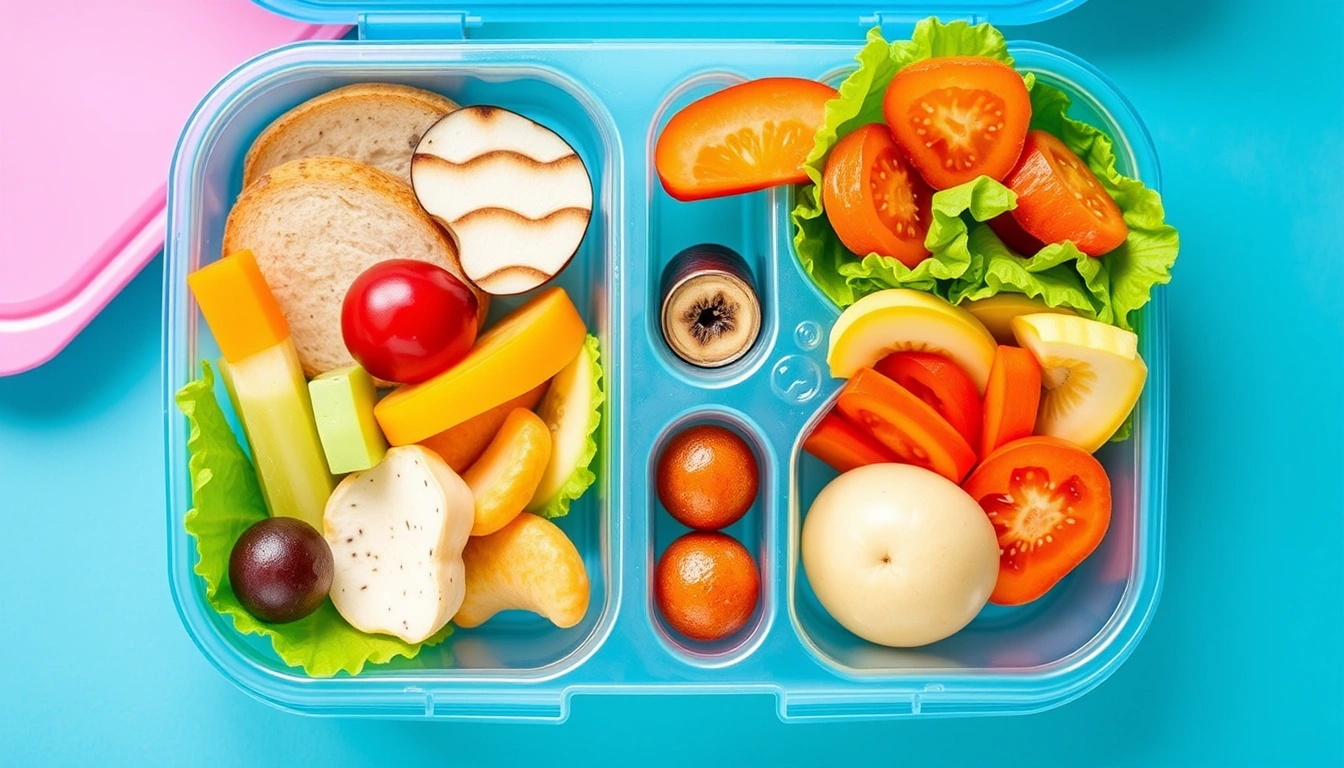
- Bento box snack lunch with cheese, crackers, fruit, veggies, and a protein
I like these because they are flexible. If a child hates cucumbers, swap in snap peas. If bread gets squashed in the backpack, use a wrap or pita instead. If a child refuses mixed foods, separate everything into compartments. Kids are often less picky about taste than about presentation and texture.
For the parent, the win is repetition. Once you know a child reliably eats 6 or 7 of these ideas, packing gets much faster. Lunch planning stops being a nightly decision and becomes a rotation.
The Mistakes That Cost Me the Most Time, Food, and Money
The biggest failures in cold lunches are rarely about the main food. Moisture, packaging, and optimism do the damage. I have seen lunchboxes fail because a sandwich touched a wet strawberry, because dip went in a weak container, or because a child got one item they liked and four they ignored. Small misses, big waste.
Here is the pattern I would avoid:
- Wet + dry packed together without a barrier
- Bread packed against juicy produce
- Crunchy items added too early
- Too many “maybe” foods
- Containers with lids kids cannot open
- Sauces packed in cups that leak when squeezed in a backpack
Overpacking is the most expensive mistake, in my view. If a child consistently eats only part of the lunch, the rest comes back spoiled or tossed. Then you are paying twice: once at the store and once in waste. I would rather pack 80% of what I think a child can finish than load up a box “just in case.”
There is also a time cost that people ignore. A lunch built from six separate components can be hard to reproduce on a busy school night. The lunch that works on paper but takes 18 minutes to assemble is not the lunch most families will keep using.
Before and after: what changed when I simplified the lunchbox
| Metric | Before | After | Change | Timeline |
|---|---|---|---|---|
| Morning packing time | 14 minutes | 6 minutes | 8 minutes faster | By Week 2 |
| Uneaten food coming home | 5 items | 2 items | 3 fewer items | By Month 1 |
| Soggy complaints | 4 per week | 1 per week | 75% fewer complaints | By Month 2 |
| Leaking containers | 3 in a month | 0 in a month | Eliminated | By Day 90 |
| Midweek lunch stress | Daily | 2 days per week | Noticeable drop | By Day 90 |
I’m using this as a practical comparison, not as a scientific trial. The point is the direction of change: fewer parts, fewer failures.
The Packing Setup That Makes Cold Lunches Work
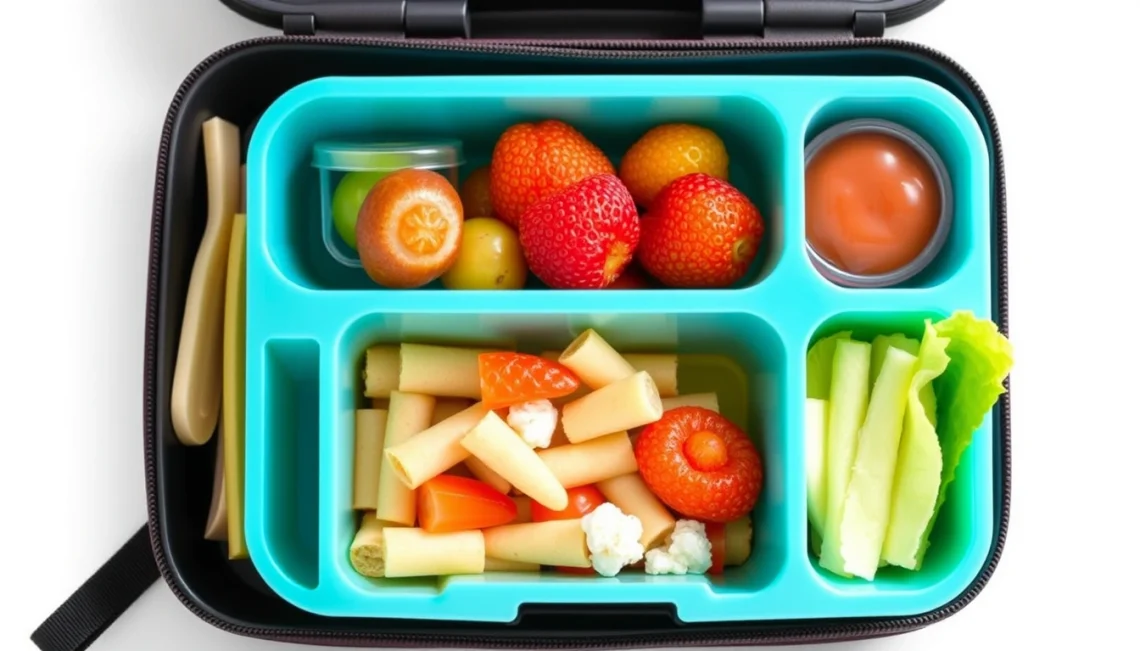
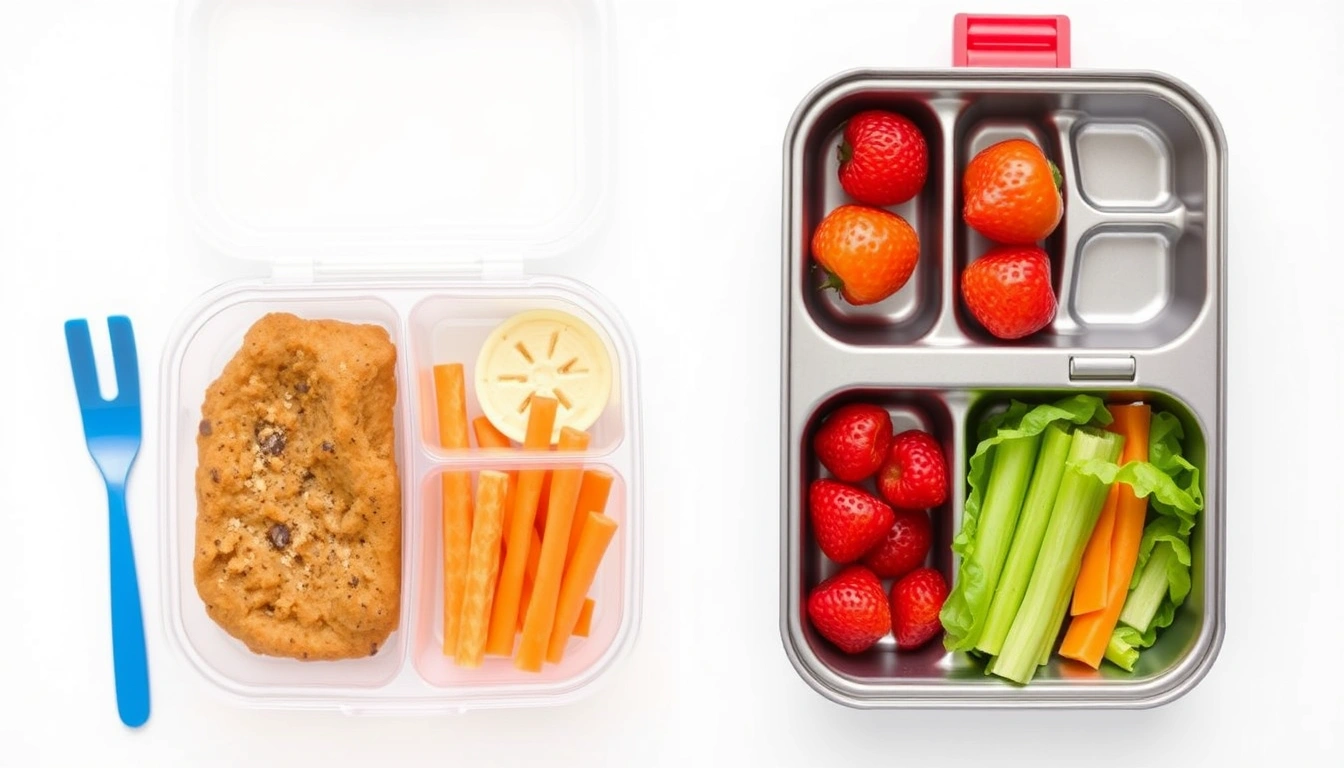
Food matters, but containers matter almost as much. I would choose containers that separate wet and dry foods, seal well, and are easy for a child to open without help. A lunchbox with removable compartments or a good bento-style insert solves a lot of headaches.
What helped most in my planning was making a small standard kit:
- 1 insulated lunch bag
- 1 ice pack
- 1 leakproof container for yogurt, dip, or fruit
- 1 compartment box or bento container
- 1 small bottle or thermos for cold drinks if needed
- 1 stash of napkins and utensils
I like containers that can be opened with one hand and do not need a parent to pry them apart. If a 7-year-old cannot open the box, that lunch becomes a classroom problem. Same story with wrappers. A wrap is not a good lunch if the child needs a full engineering degree to unwrap it.
Cut size matters too. Smaller pieces pack more neatly and look less intimidating. Grapes should be cut for younger kids. Cherry tomatoes can be sliced if a child is very young. Apple slices stay better if packed with a little lemon juice or in a produce saver container, though I would not expect them to look perfect by lunchtime.
The goal is not a magazine photo. The goal is a lunch a child can open, recognize, and finish.
What I Would Pack for Different Kinds of Kids
The same lunch does not work for every child, and that is where generic advice usually falls apart. A picky eater, a grazer, and a big athlete need different lunch shapes.
For a picky eater:
I would keep everything separate. One turkey roll-up, crackers, grapes, and one crunchy vegetable are enough. No mixed salads, no sauce-heavy foods, no surprise ingredients.
For a slow eater:
I’d skip meals that need time to assemble or unroll. Small bites, simple containers, and a familiar fruit work better. A child who eats slowly often does best with foods they can finish without losing interest.
For an active child:
I would increase protein and add a more filling starch, like pasta salad, a larger wrap, or extra crackers with cheese. This is not the place for a tiny lunch that looks pretty but leaves a child hungry by midafternoon.
For a child who hates cold “wet” textures:
I would lean on dry items: crackers, cheese, sliced meat, cucumber, carrot sticks, and firm fruit. Skip mayonnaise-heavy salads unless the child already likes them.
School rules matter here too. Nut-free policies, storage limits, and time spent on the bus all change the lunch plan. A good cold lunch is not just about taste; it has to fit the school environment.
Alternatives and How They Compare
If cold lunch ideas for kids that pack well in a lunchbox are not a fit on a given day, a few alternatives can still work. A hot thermos lunch can be a better choice for soups, leftovers, or pasta that tastes better warm. Compared with cold lunches, thermos meals need more morning prep but usually hold heat for several hours. Snack-style lunches are another option; they are faster to pack and often easier for younger kids to finish, but they can be less filling for older or more active children.
A simple school cafeteria lunch can also be the right call when the schedule is tight. It removes packing time entirely, though it gives up control over ingredients and portions. In practice, many families use a mix: cold lunches on most days, thermos lunches once or twice a week, and school lunch when the calendar gets crowded.
FAQ: Cold Lunch Ideas for Kids That Pack Well in a Lunchbox
What cold lunch holds up best for kids?
Wraps, roll-ups, pasta salad, hummus and pita, and cheese-and-cracker boxes tend to hold up well because they do not depend on heat and can be packed in separate parts.
How do I keep a cold lunch safe until school lunch?
Use an ice pack, pack perishable foods in an insulated lunch bag, and follow USDA food safety guidance on the 2-hour rule for perishable foods.
What should I avoid packing in a cold lunch?
I would avoid foods that go soggy fast, leak easily, or spoil quickly without insulation. That usually includes loose sauces, watery fruit next to bread, and anything the child cannot open.
How do I keep sandwiches from getting soggy?
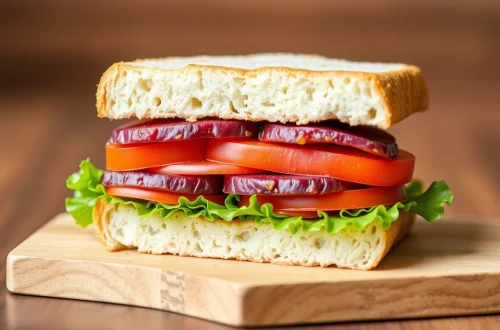
Use a barrier like lettuce, cheese, or a thin spread on both slices of bread. Pack juicy items separately when possible.
What if my child gets bored of the same lunch?
Keep the format the same and change the filling. A turkey wrap can become a hummus wrap, then a chicken wrap, then a cream cheese and cucumber wrap without changing the whole routine.
Why It’s Worth Keeping Lunch Simple
When cold lunch ideas for kids that pack well in a lunchbox are simple, they are more likely to get eaten. That saves time in the morning, cuts down on waste, and makes it easier to repeat the plan next week. It also lowers the odds of opening a backpack to find a squashed sandwich and a leaking container.
If I had to pack cold lunches for kids tomorrow, I would keep it boring on purpose: one familiar main, one crunchy side, one fruit, and one dip or cheese. I would use a lunchbox with compartments, an ice pack, and foods that do not go soggy in 4 hours. That is the difference between a lunch that looks good in the fridge and a lunch a child actually eats at school.
The best cold lunch ideas are not clever. They are durable, repeatable, and easy to open. That is what makes them worth packing again next week.