Last updated: August 11, 2026
- A cold lunch that still looks like lunch by noon?
- Key facts: – 3 items solve most school-lunch problems: cooling, dipping, and eating.
- For lunch box accessories kids: ice packs, sauce containers, cutlery, those small choices decide whether lunch works.
- With a small lunch box, a bulky pack becomes a design problem, not a cooling solution.
Quick Answer: For most families, 3 lunch box accessories cover the basics: 1 slim ice pack, 1 leak-resistant sauce container, and 1 kid-sized cutlery set. When you are packing lunch box accessories kids: ice packs, sauce containers, cutlery, start with those three and add only what your child actually uses.
A cold lunch that still looks like lunch by noon? That is the whole problem. For most households, lunch box accessories kids: ice packs, sauce containers, cutlery should match what the kid really eats, not what looks cute in a cart. So the starting point is plain: a slim ice pack, a leakproof sauce container, and cutlery small enough for little hands to manage without a fight.
Key facts:
– 3 items solve most school-lunch problems: cooling, dipping, and eating.
– 2 slim ice packs can give more even coverage than 1 bulky block in a small lunch box.
– 1 sauce cup is usually enough for ranch, ketchup, hummus, or dressing portions.
– 0 extra utensils are needed if your child reliably eats finger foods.
– USDA and CDC guidance both support keeping cold foods cold and handling perishables carefully.
I write about kid gear and lunch packing because the tiny details are where things go sideways: the wrong lid leaks, the wrong spoon vanishes, and the wrong ice pack turns a lunch box into a damp mess. For lunch box accessories kids: ice packs, sauce containers, cutlery, those small choices decide whether lunch works. Honestly, that is the part most people learn the hard way.
Ice Packs: The Real Difference Between Slim Packs and Big Freezer Blocks
Slim ice packs win for school lunch boxes. They sit flat, leave room for food, and cool the whole container without forcing you to give up half the lunch space. Big freezer blocks look reassuring, but in a kid’s lunch box they often crowd out the main meal and still leave warm corners if the shape is awkward. A brick in a box. That is the vibe.
The real question is not “Which one gets cold fastest?” It is “Which one stays useful in a lunch box your child can carry?” Slim packs are the better everyday pick for most school-aged kids because they tuck along the lid or side wall and cool food without compressing sandwiches, fruit, or wraps. With a small lunch box, a bulky pack becomes a design problem, not a cooling solution. Simple answer. Better fit.
Their weak spot is easy to see: slim packs are easier to misplace, and some are too thin to keep food cold for a very long day in a warm backpack. That matters when a child’s lunch sits for hours before they eat. In that case, I would use 2 slim packs rather than 1 oversized block, because two smaller packs give more even coverage and are easier to position around a container.
For safety and food handling, I would stick with reusable packs that are clearly meant for food contact use and follow general food-safety guidance from the U.S. Department of Agriculture and the FDA. The USDA’s food safety advice on keeping cold foods cold is a good baseline: cold items should stay cold, and lunch boxes should not be treated like a refrigerator. The CDC’s guidance on safe food temperatures is also worth a look when you are packing anything perishable. If your child has special dietary or health needs, consult a pediatrician or registered dietitian for lunch-packing advice; USDA cold-food guidance is a baseline, not personal medical advice.
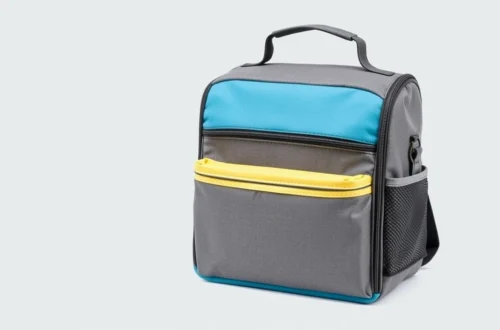
Best fit: parents packing sandwiches, yogurt, cheese, cut fruit, or leftovers into an insulated lunch bag. Not ideal for: very long school days without access to a fridge, or lunches built around a lot of bulky containers.
Ice Packs: Who Should Actually Use This, and Who Shouldn’t
Slim gel packs are the right call for most kids because they solve the daily lunch problem without adding weight or bulk. They are easy to freeze overnight, easy to wipe clean, and easy to slip into a lunch box shape that was clearly not designed by someone who eats lunch.
Their biggest drawback is that they are disposable-looking even when reusable. Children can forget them at school, and if the outer shell cracks, the pack is done. I would not choose a bargain pack with a flimsy seam for a child who is rough on gear. A cracked pack is not just wasteful; it can leak inside a lunch bag and turn everything sticky.
I would skip ice packs entirely when your child’s lunch box is mainly used for shelf-stable snacks, crackers, dried fruit, and nonperishable items. You do not need to add frozen weight for food that does not need it. I would also skip extra-large blocks if your child is young and already complains that the lunch bag is too heavy. In that case, the cooling accessory should support the lunch, not punish the kid carrying it.
The better brands usually sell through more than one retailer, so you can compare current price at Amazon, Walmart, Target, or the brand site before buying. That matters because the right size and shape are more important than chasing a bargain. For school lunches, the CDC and USDA both emphasize temperature control for perishables; when you are unsure what is safe for a specific food, check a food-safety professional or your child’s school guidance.
Sauce Containers: The Specific Situations Where They Win
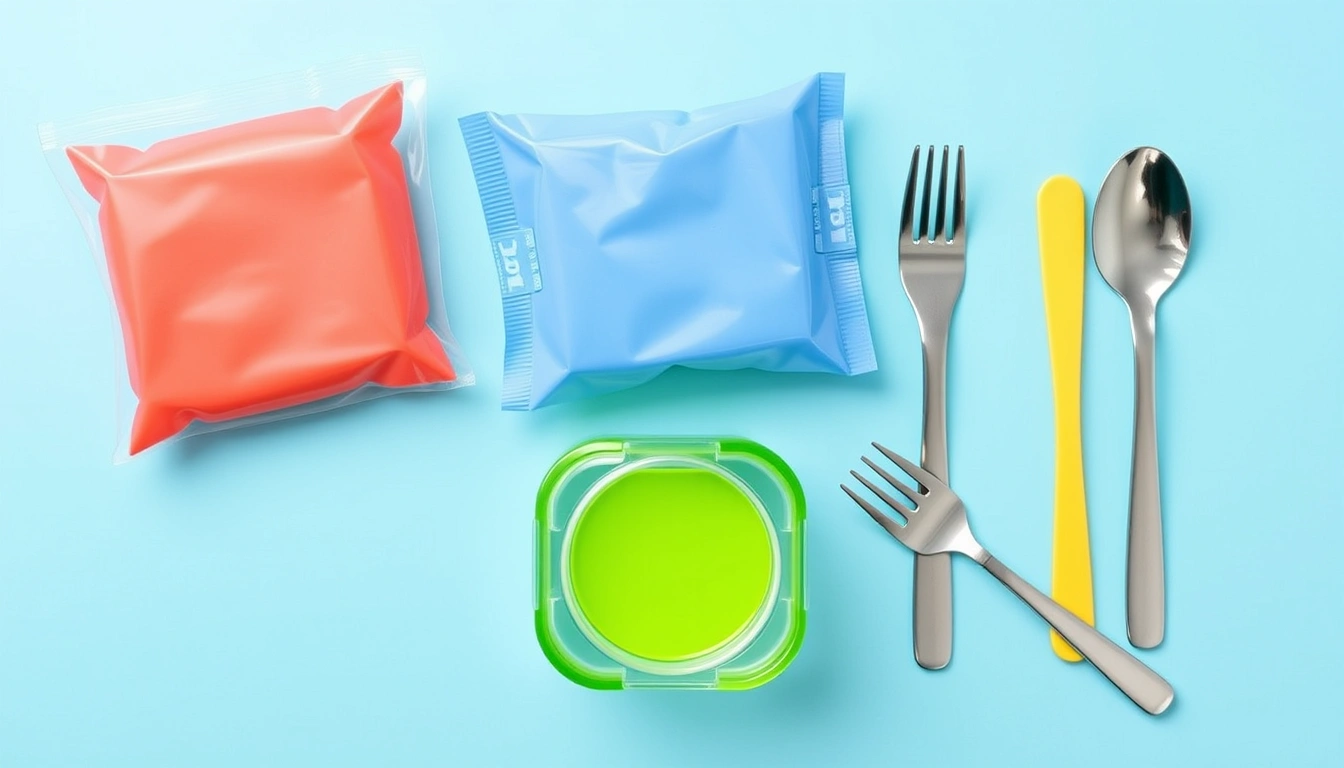
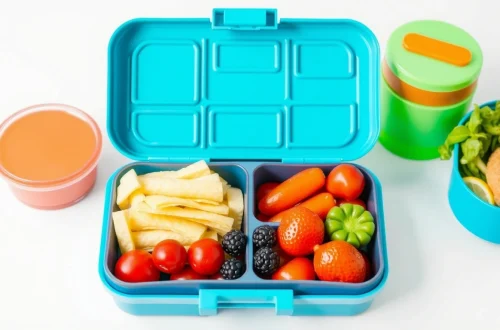
Sauce containers are the unsung heroes of kid lunches. They win whenever the lunch includes dip, dressing, ketchup, hummus, yogurt, ranch, salsa, or any food that tastes better when it is not touching the bread an hour early. When your child eats dry nuggets, plain crackers, or fruit that only needs a dip at the table, a tiny leakproof cup is worth keeping in the lunch system.
A good sauce container is usually small, easy to open, and leak resistant enough for normal school use. The lid should close securely without requiring adult strength. That matters more than people realize. A container can be “leakproof” in theory and still fail if a child cannot close it correctly. I would favor a wide mouth and a simple lid over a clever shape with too many corners. Round cups are easier to wash and less likely to trap residue. If a product seems hard for your child to close reliably, consult the manufacturer’s instructions or your pediatrician/OT if you need help matching gear to fine-motor ability.
The trade-off is capacity. Sauce containers are small by design, and that is good until your child wants a lot of dip. Overfilling is the usual cause of leaks, not the container alone. That means the real use case is portion control: enough ranch for carrots, enough hummus for pita, enough ketchup for nuggets. If you need a full side of soup or chili, a sauce container is the wrong tool.
I would also watch the lid seal. Hard snap-on lids can be excellent, but if they are stiff and difficult for a child to open at lunch, they create frustration. A kid who cannot open the container may not eat the dip at all. That can turn a helpful accessory into lunchbox clutter.
For materials, I would choose food-safe, easy-to-clean options and avoid anything with a strong plastic smell when new. If a product seems too flimsy to survive being tossed into a backpack, it probably is. Many of the better options are sold by lunch-box brands, kitchen brands, and major retailers such as Amazon, Walmart, and Target, which makes replacement easier if a lid disappears. Consumer Reports and FDA food-contact guidance are useful checks when you want a more authoritative screen before buying.
Sauce Containers: The Honest Side-by-Side
| Criteria | Small single-compartment container | Two- or three-compartment container | Winner for this condition |
|---|---|---|---|
| Leak risk | Lower if the lid is simple and sealed well | More seams mean more places to fail | Single container |
| Portion control | Best for one dip or dressing | Better for variety | Depends on food variety |
| Ease for kids | Usually easier to open and close | Can be fiddly for small hands | Single container |
| Washing | Simple to rinse clean | More corners and seams | Single container |
| Lunch flexibility | One food at a time | Good for dip + fruit + snack | Multi-compartment |
| Backpack mess if packed poorly | Less to go wrong | More lid surfaces to check | Single container |
| Best for picky eaters | Works if they only want one dip | Helps if they like choices | Depends on child |
| Space in lunch box | Usually smaller footprint | Can take more room | Single container |
Sauce Containers: Who Should Actually Use This (and Who Shouldn’t)
Single sauce containers are for parents who pack the same kinds of foods over and over. When your child always wants carrot sticks with ranch or nuggets with ketchup, a small, well-sealed cup is all you need. The appeal is not glamour. It is predictability. One lid, one portion, one less way for lunch to fail.
Their weakness is obvious: one container means one flavor. That is fine for simple lunches, but it is not enough when your child wants a dip for one food and dressing for another. In that case, a multi-compartment cup can earn its keep, but only if you are willing to accept more parts, more washing, and more chances that one divider will be closed incorrectly.
I would not buy fancy multi-compartment sets for a child who already loses bottle caps, lunch lids, or reusable straws. Too many parts become a burden. I would also skip sauce containers for kids who reliably eat dry lunches without complaint. Not every lunch needs a dip cup. Adding one out of habit just creates more cleaning.
Because the separate sauce cup only helps when the meal needs it, the best use case is a child who eats better when the sauce is separate, or a child who refuses a sandwich unless the dressing is packed on the side. In that case, the container earns its spot immediately.
Cutlery: The Specific Situations Where It Wins
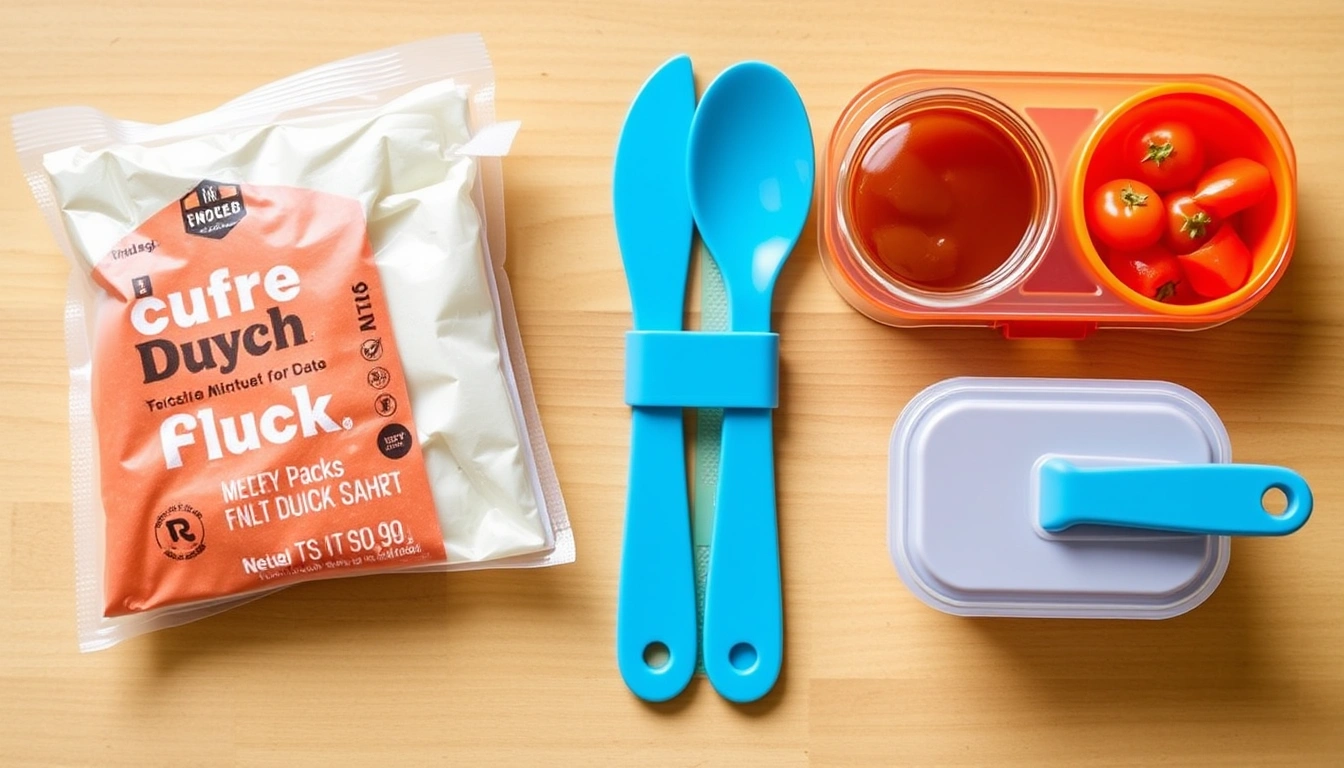
Kid cutlery wins when the lunch includes yogurt, pasta, rice, fruit salad, hummus, or anything that is annoying to eat with fingers. That sounds obvious, but it is easy to pack a lunch that needs a spoon and then discover the spoon never made it into the bag. The right cutlery set solves that by being easy to store, easy to spot, and hard to break.
The best kid cutlery is short, rounded, and comfortable in a small hand, though the right choice depends on your child’s grip, age, and coordination. I would favor pieces with a grippy handle over sleek adult-style utensils. A child does not need restaurant polish. They need a fork that actually pierces food and a spoon that fits in a small container without scraping half the lunch onto the table.
The weakness is storage. Loose cutlery gets lost, and metal utensils can feel too sharp or too heavy for young kids. Plastic versions are lighter, but many are flimsy and bend at the wrong moment. Reusable cutlery made for kids sits in the middle: usually sturdier than throwaway plastic, but still lightweight enough for a lunch box.
I would choose a cutlery set with its own case when your child eats lunch away from home and you want to keep the utensil clean in transit. A case also keeps it from poking through napkins or ending up at the bottom of the bag. When the set does not include a case, I would only buy it if your lunch box has a dedicated utensil slot.
For cleanup, dishwasher-safe is the feature that matters. Anything that requires handwashing every day is less likely to survive a school year. If you are comparing options, a simple case plus dishwasher-safe pieces is usually enough.
Cutlery: The Honest Side-by-Side
| Criteria | Reusable kid cutlery | Disposable/throwaway cutlery | Winner for this condition |
|---|---|---|---|
| Durability | Better for daily use | Usually bends or breaks sooner | Reusable |
| Weight | Light but a little heavier | Very light | Disposable |
| Comfort for small hands | Often shaped for kids | Usually adult-shape or flimsy | Reusable |
| Cleaning effort | Needs washing, ideally dishwasher-safe | Throw away after use | Disposable |
| Chance of losing it | Still possible, but more noticeable | Cheap to replace, but wasteful | Depends on household habits |
| Best for thick foods | Usually stronger | Can fail mid-meal | Reusable |
| Environmental waste | Lower over time | Higher | Reusable |
| Best for one-off events | Fine, but not necessary | Convenient | Disposable |
The Honest Side-by-Side
If I had to build one sensible lunch accessory kit for most kids, I would choose the slim ice pack first, then the sauce container, then the cutlery. That order reflects how often each item solves a real lunch problem. The ice pack protects the food. The sauce container keeps lunch edible and appealing. The cutlery makes sure the child can actually eat what you packed. In practice, that sequence just works.
The biggest mistake I see is buying accessories in bundles without thinking about the lunch they support. A beautiful set with matching pieces does not matter if the ice pack is too bulky, the sauce cup leaks, or the spoon is too big for a toddler hand. Practicality beats matching colors every time. Looks nice? Sure. Works better? That is the real test.
When your child eats cold food daily, the ice pack is non-negotiable. If they only eat dry snacks, it drops lower in priority. If they never use dip, sauce containers are optional. If their lunch includes pasta, yogurt, or fruit cups, cutlery becomes essential. That is the real decision tree.
For sourcing, I would compare current availability and reviews at more than one retailer before buying. Amazon, Walmart, Target, and the brand’s own site often carry overlapping options, and you can cross-check prices, reviews, and dimensions in minutes. If the lunch accessory is for daily school use, that extra comparison is worth the few extra clicks.