Last updated: November 05, 2026
Quick Answer: for most toddlers, lunch works best with 1 spoonable food, 1 soft side, and 1 backup finger food. In Lunch Ideas for Toddlers Who Are Still Learning to Use a Spoon, the goal is a meal that is soft, scoopable, and forgiving of misses.
Key Takeaways
- Choose foods that mound or cling instead of sliding off the spoon.
- A simple lunch can use 1 thick main food, 1 soft side, and 1 finger food.
- Thick, slightly sticky, or mashed foods are easiest to scoop.
- A short, repeatable setup can lower pressure at lunch.
What a spoon-learning lunch needs
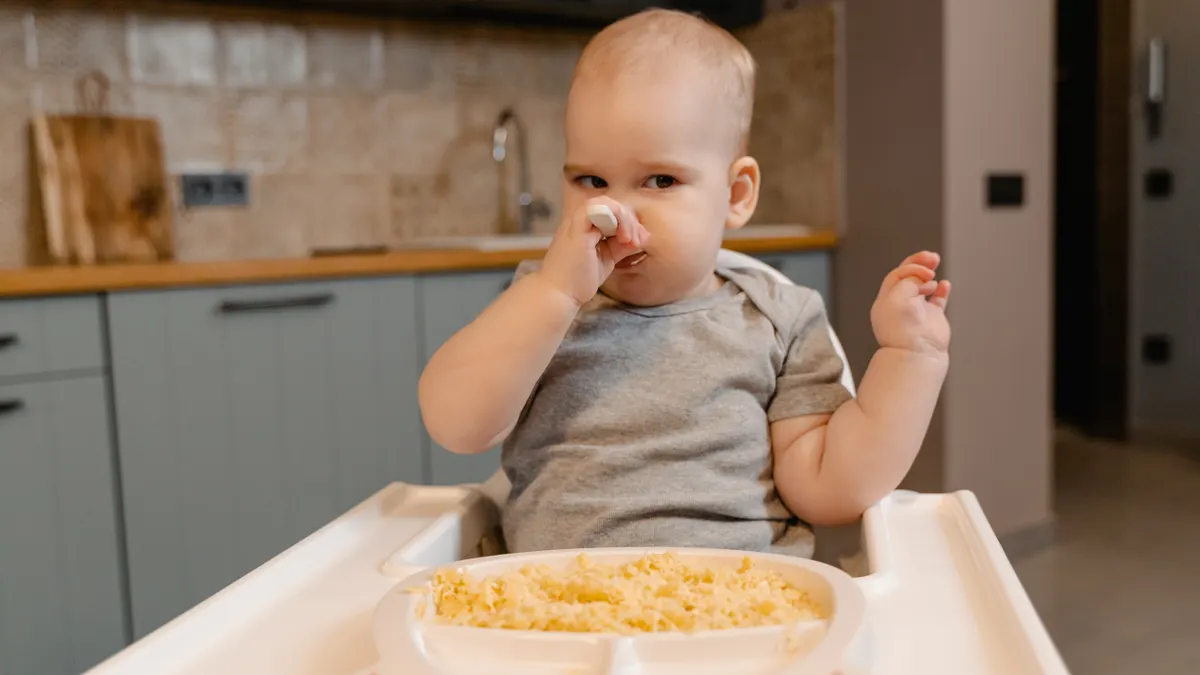
A spoon-learning lunch needs foods that cling, mound, or thicken instead of sliding away. That usually means yogurt, oatmeal, mashed beans, applesauce, or soft pasta with a little sauce. It also means a small portion, because a full plate can turn into a slip-and-push game in under 2 minutes.
Think in terms of three qualities:
- Sticky enough to scoop: Greek yogurt, hummus, mashed beans, ricotta, mashed sweet potato, or thick oatmeal.
- Soft enough to gum or chew easily: tiny pasta shapes, soft rice, very small meatballs cut into quarters, ripe pear, banana, or steamed vegetables.
- Small enough to fail safely: 2 to 4 tablespoons of each food is plenty for many toddlers, even if more is available.
The point is not elegance. It is repetition. A toddler needs the same movement over and over: dip, lift, wobble, mouth. A spoonable lunch gives that practice without turning the table into a contest.
I would not start with brothy soups, slippery noodles, or dry grains that scatter. Those are fine foods later, but they demand too much coordination before the spoon is dependable. A spoon that carries food for one second longer is a real help.
If you want one sentence to use at the table, use this: “Food that clings is easier than food that slips.” That rule alone will save a lot of frustration.
The easiest toddler lunch formula for spoon practice
The easiest toddler lunch formula for spoon practice is one thick main food, one soft side, and one backup finger food. That structure keeps the meal manageable when the spoon gets dropped, licked, or turned into a drumstick.
Here is the simple method:
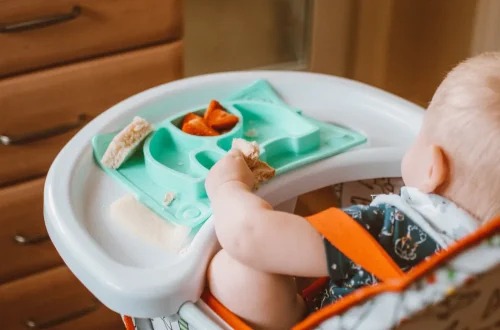
- Choose one spoonable main food. Put 2 to 4 tablespoons of thick yogurt, oatmeal, mashed beans, or applesauce in a shallow bowl with a wide base. A shallow bowl is easier than a deep cup because the spoon can reach the food without tipping.
- Add one soft side. Offer 2 to 4 tablespoons of very soft rice, pasta, scrambled egg, or finely chopped avocado. This gives variety without making the plate crowded.
- Include one backup food the child can pick up. Quartered mini meatballs, soft fruit pieces, or small pieces of toast can keep lunch going if the spoon becomes a toy.
- Keep portions small at first. Refill once the child finishes half the plate. A crowded plate can overwhelm a child who is still building hand control.
- Choose a spoon that fits the hand. A short, light toddler spoon with a wide handle is easier to manage than a long adult spoon.
- Expect a messy surface. Put down a placemat or wipeable mat so the child can scoop, miss, and try again without constant correction.
That structure works because it gives the child a clear job. The lunch is not a test with eight options. It is a short practice session with enough food to succeed and enough texture to stay interesting.
A generic article often says “offer healthy foods” and stops there. That misses the real issue: a spoon-learning toddler needs foods that cooperate with the utensil. The food itself is part of the equipment.
Lunch ideas that actually stay on a spoon
The lunch ideas that stay on a spoon are the ones with thickness, mild stickiness, or a soft mash. That matters more than the category of food.
Here are reliable options:
- Yogurt with fruit mash. Plain or lightly sweetened yogurt plus mashed banana, soft berries, or applesauce. The yogurt grips the spoon; the fruit adds flavor.
- Oatmeal with nut butter or fruit. Thick oatmeal in a shallow bowl is a strong practice food. Stir in a thin layer of nut butter if your child already tolerates it, or top with soft fruit. Keep it thick, not soupy.
- Mashed beans with cheese. Mash black beans or white beans with a little olive oil, then top with shredded cheese that softens. Beans are forgiving and easy to mold onto a spoon.
- Applesauce with cottage cheese or yogurt. Applesauce alone slides, but mixed with a thicker dairy food it becomes easier to scoop.
- Mini meatballs in sauce. Cut mini meatballs into quarters and spoon a little tomato sauce over them. The sauce should coat, not flood.
- Rice with soft vegetables. Use very soft rice, then add peas, finely chopped carrots, or zucchini. A little butter or sauce helps the grains stick together.
- Pasta with a thick sauce. Small shapes like stars, elbows, or shells are easier than long noodles. Sauce should cling, not pool at the bottom of the bowl.
A few examples help make this practical. If lunch is yogurt, serve it in a bowl wide enough for a toddler spoon to enter straight down. If lunch is pasta, keep the sauce thick enough that one spoonful holds together after it is lifted. If lunch is mashed beans, press them slightly into the bowl so they form a mound instead of a puddle.
I would put banana slices with yogurt, mashed beans with rice, and small pasta with ricotta at the top of the list for many toddlers. They are soft, familiar, and spoon-friendly without much fuss.
What I would avoid at this stage: thin soup, plain dry rice, slippery melon cubes, and tiny peas served alone. None of those are bad foods. They are just awkward for a child who is still learning utensil control.
How to structure lunch so mess does not derail the meal
The lunch structure for a spoon-learning toddler is a short, repeatable setup that reduces pressure. A toddler does not need a restaurant plate; the child needs a practice station.
Use these habits:
- Serve one item at a time on the same plate or bowl. Two or three foods are enough. More foods can become visual clutter.
- Keep liquids under control. Thick beats thin. If you want soup, make it stew-like, not watery.
- Use a bowl with a rim or a suction base if needed. A bowl that slides across the tray adds one more problem the child does not need.
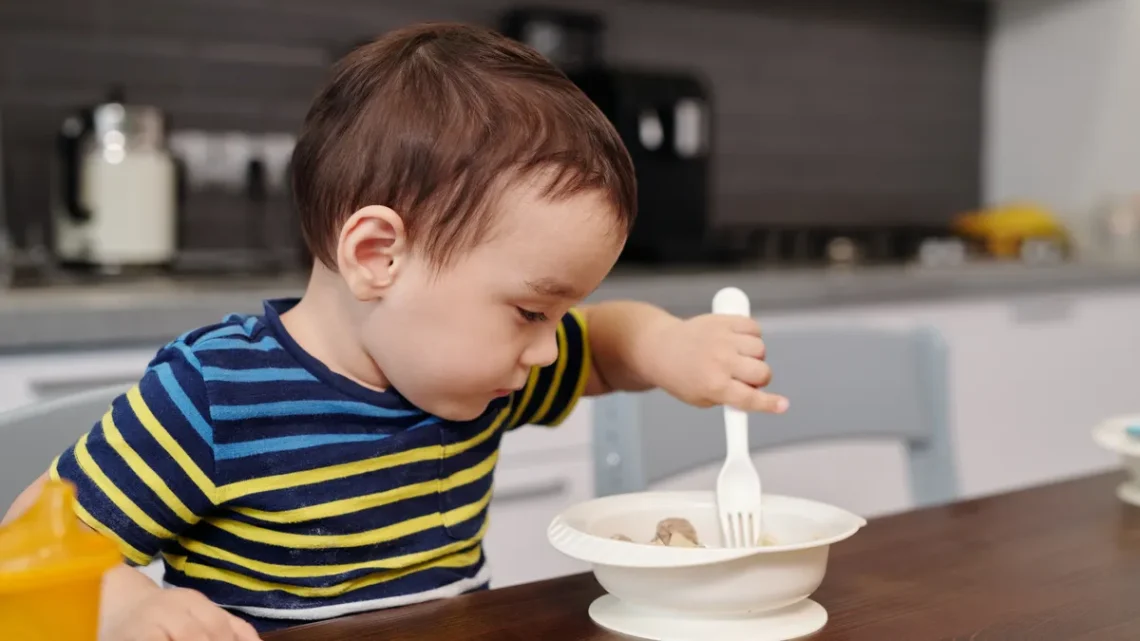
- Pre-load one spoon if the child is frustrated. Handing over a loaded spoon is not “doing it for them.” It shows the motion and gives a win.
- Let the child switch hands. Many toddlers alternate hands while learning. That is normal.
- Plan for 10 to 15 minutes of real focus. After that, attention often drops and the spoon becomes less useful.
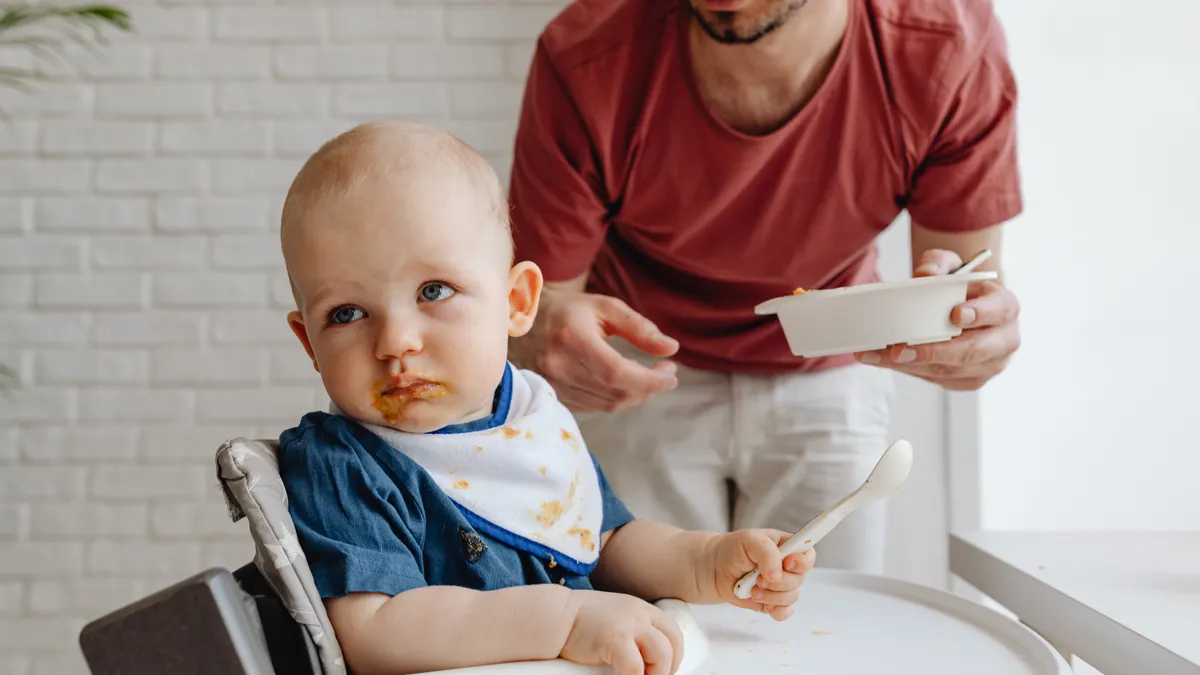
Mess tolerance matters here. A child who is allowed to miss a few times is more likely to keep trying. A child who is corrected every bite often stops using the spoon and starts throwing food or asking for help too quickly.
I would rather see a toddler scoop yogurt with a bent wrist and half a spoonful on the shirt than see a spotless plate that never required the child to practice. The mess is part of the lesson. The job is to keep it contained, not to eliminate it.
This is also where portion size matters most. A mound of food is harder to manage than a small scoop. Start with the amount the child can move in about 3 to 5 bites, then refill if needed. That keeps lunch from turning into a mountain before the child has had a chance to succeed.
Which lunch foods are easiest for toddlers to eat with a spoon?
The easiest lunch foods for toddlers to eat with a spoon are thick, soft, and lightly cohesive foods like yogurt, oatmeal, mashed beans, applesauce mixed with a thicker food, and soft pasta. These foods stay together long enough for a small spoon to carry them from bowl to mouth without sliding off every time.
A few details make a difference:
- Yogurt: best when it is thick and served plain or with soft fruit mash.
- Oatmeal: best when cooked thick enough to mound on a spoon.
- Mashed beans: easy to shape and rich enough to hold interest.
- Mini meatballs: easier when cut into quarters and paired with sauce.
- Rice and pasta: easier when very soft and lightly coated.
Foods that look easy but are not always spoon-friendly include broth-heavy soups, plain corn kernels, and smooth sauces with nothing to grab onto. They can be part of lunch, but they are not the first foods many families choose for spoon practice.
The best foods for spoon learning also depend on how much clean-up you can tolerate. Thick foods are easier to control than watery ones. They may still drip, but they drip less often and in smaller amounts.
For more on safe textures and child feeding guidance, see the CDC infant and toddler nutrition guidance and the American Academy of Pediatrics healthychildren.org feeding resources.
Common lunch mistakes that make spoon learning harder
The most common lunch mistakes are making the food too thin, the portion too big, and the meal too complicated. Each one costs the child practice time.
Here is what goes wrong and what to do instead:
- Mistake: watery texture. Thin food falls off the spoon before the child can get it to the mouth. Use thicker yogurt, thicker oatmeal, or a mashed base instead.
- Mistake: a full plate. Too much food can feel overwhelming and makes scooping harder. Start with 2 to 4 tablespoons of each food and refill.
- Mistake: slippery foods alone. Applesauce, melon, or plain rice do not give the spoon much to catch. Pair them with a thicker food or serve them alongside a scoopable main.
- Mistake: adult-sized spoons. A long spoon can be hard for small hands to angle. Use a short toddler spoon with a wider handle.
- Mistake: constant rescuing. Taking over every time the child misses slows the learning. Let the child try several times before stepping in.
Another mistake is expecting every lunch to be neat. That expectation can make a normal developmental stage feel like a problem. Spoon learning is messy before it is neat. The child needs repetition, not pressure.
One more trade-off is worth saying plainly: spoon-friendly lunches are often softer and more repetitive than ideal adult lunches. That is fine for this stage. The goal is not gourmet variety. It is comfort with the utensil.
If you want to connect this stage to broader age-based meal planning, this page fits into the larger hub on packing by age and eating stage, where the focus shifts from skill building to other child-ready lunch patterns.
A few lunch combinations that work well right now
The best lunch combinations for this stage are simple enough to serve in under 5 minutes and gentle enough for beginner spoon use. A few combinations do most of the work.
Try these:
- Thick yogurt + mashed banana + soft toast strips
- Oatmeal + applesauce swirl + tiny soft fruit pieces
- Mashed beans + rice + shredded cheese
- Mini meatballs quartered in sauce + soft pasta
- Ricotta or cottage cheese + cooked peas + soft pear
- Smooth hummus + very soft pita pieces + cucumber sticks peeled and seeded if your child can manage them
Each of these gives the child a spoonable item plus something that can be picked up or pushed around. That matters because toddlers do not use the spoon in a straight line. They test it, drop it, lick it, and come back to it.
If lunch needs to be especially calm, pick one cold food and one warm food, or one smooth food and one textured food. That small contrast keeps the meal interesting without crowding the plate.
A practical way to judge success is simple: if the child can get at least some food from bowl to mouth with the spoon after a few tries, the lunch is doing its job. A perfect clean spoon is not the goal. Repeated attempts are.
What if my toddler refuses the spoon?
Your toddler may refuse the spoon, and that does not mean the lunch failed. It usually means the child wants control, not a different menu.
Offer one spoonable food and one finger food, then let the child choose the order. A loaded spoon placed near the hand can help without forcing the issue. If the child still prefers fingers for this meal, keep serving spoon-friendly foods anyway. Repeated exposure matters more than one spotless lunch.
How do I make lunch less frustrating for self-feeding practice?
Make lunch less frustrating by keeping the food thick, the portion small, and the utensils easy to grip. A toddler spoon, a shallow bowl, and 2 to 4 tablespoons of food are often enough to start. Give the child time to miss, scoop again, and switch hands without commentary.
What foods help toddlers practice spoon use?
Foods that help toddlers practice spoon use are foods that hold together on the spoon: yogurt, oatmeal, mashed beans, applesauce mixed with thicker foods, mini meatballs in sauce, rice with a little moisture, and soft pasta. These foods give the spoon something to catch, which makes each attempt more successful than watery or dry foods.
Drafted with AI; not yet reviewed by a person.