Last updated: August 11, 2026
- Key Facts The simplest gluten-free school lunches usually use 3 to 4 components .
- Foods that are naturally gluten-free often survive the lunchbox better than specialty substitutes.
- Packaged gluten-free breads and crackers can help, but they work best as backup, not the main event.
- The FDA gluten-free labeling rule and Celiac Disease Foundation guidance are useful reference points.
Quick Answer
For gluten-free lunch ideas kids that are easy pack, the most dependable move is a lunch made from 3 to 4 naturally gluten-free foods: one main item, one fruit or vegetable, and one protein or fat. Packing stays quicker that way, textures hold up better, and the odds of an empty lunchbox go up.
Key Facts

- The simplest gluten-free school lunches usually use 3 to 4 components.
- Foods that are naturally gluten-free often survive the lunchbox better than specialty substitutes.
- Packaged gluten-free breads and crackers can help, but they work best as backup, not the main event.
- For celiac disease, label reading and cross-contact control matter every day.
- The FDA gluten-free labeling rule and Celiac Disease Foundation guidance are useful reference points.
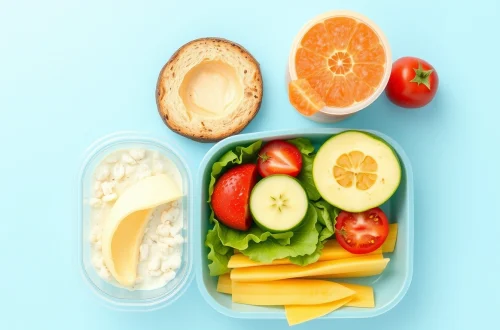
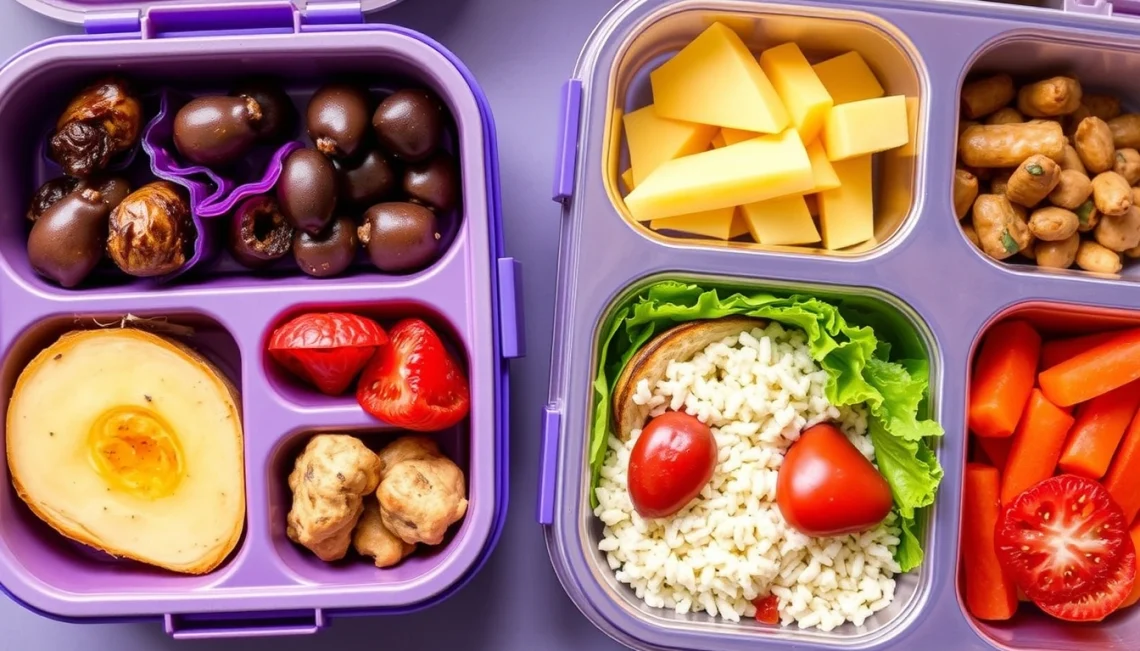
Gluten-free school lunch does not have to mean special, fussy, or sad-looking. Honestly, the easiest packed lunches for kids that are easy pack are the ones built from foods that are naturally gluten-free, hold up well in a lunchbox, and still taste good after a few hours in a bag.
I write a lot about school meals and family food planning, and one pattern keeps showing up: kids do better when lunch feels familiar, stays simple to eat, and is not loaded with “substitute” foods that fall apart by noon. Want gluten-free lunch ideas kids that are easy pack and actually get eaten? Start with real food and a short packing list.
The Real Difference Between Gluten-Free Lunch and “Normal” Lunch
The difference is structure, not some magical recipe.
A “normal” lunchbox often leans on bread, crackers, wraps, and baked snacks without much thought. Gluten-free lunch has to be more deliberate because a lot of common kid foods are off-limits unless they are clearly labeled gluten-free. So the safest lunch ideas are the ones built around foods that are naturally gluten-free: fruit, vegetables, cheese, yogurt, eggs, rice, beans, nuts or seeds if your school allows them, and leftovers from dinner.
This matters because many gluten-free packaged substitutes are dry, crumbly, or expensive. I would not make a child’s lunch depend on a gluten-free sandwich bread that goes stale in the bag or a cracker that shatters before lunch. Those foods can work. Just not as the backbone.
What I’d choose instead is a lunch formula:
– one main item
– one fruit or vegetable
– one protein or fat that keeps the meal satisfying
– one small treat or familiar side if your child needs it
That formula helps with picky eaters too. Lunch does not need to look “healthy” in the abstract; it needs to get eaten without a fight and without panic over hidden gluten. For families dealing with celiac disease or a medically necessary gluten-free diet, that last piece is nonnegotiable; if you are managing a medical condition, check with your child’s clinician or dietitian about cross-contact and nutrition gaps.
For ingredient safety, I rely on two kinds of sources when I’m checking a lunch idea: the Celiac Disease Foundation’s guidance on gluten-free eating, and the FDA’s gluten-free labeling rule. Those are the kinds of pages worth bookmarking:
– FDA gluten-free labeling: https://www.fda.gov/food/nutrition-education-resources-materials/gluten-and-food-labeling
– Celiac Disease Foundation on gluten-free living: https://celiac.org/gluten-free-living/
The Honest Side-by-Side

Here’s the short version: build lunch around naturally gluten-free foods first, and use labeled gluten-free packaged items as backup, not the base. That is the steadiest way to pack fast, keep costs sensible, and avoid disappointment in the lunchroom.
| Criteria | Naturally gluten-free lunch ideas | Packaged gluten-free substitutes | Winner for [condition] |
|---|---|---|---|
| Speed of packing | Usually faster once you keep a few staples ready | Fast only if you already bought the right items | Naturally gluten-free for busy mornings |
| Cost control | Usually easier to manage with basic groceries | Can run higher because of specialty items | Naturally gluten-free for everyday use |
| Lunchbox durability | Holds up well, especially fruit, cheese, eggs, rice, and leftovers | Some breads and crackers get dry or crumbly | Naturally gluten-free for long school days |
| Kid appeal | Strong if you stick to familiar foods | Strong if your child misses sandwich-style lunches | Packaged substitutes for sandwich lovers |
| Risk of disappointment | Lower, because these foods usually taste fine cold | Higher if the texture changes by lunchtime | Naturally gluten-free for picky eaters |
| Cross-contact worry | Lower if you choose whole foods and safe prep | Still requires careful label reading | Naturally gluten-free for celiac safety |
| Variety over time | Easy to rotate with leftovers and mix-and-match components | Can feel repetitive if lunch always means a packaged bread or wrap | Naturally gluten-free for long-term use |
| Best use case | Balanced, low-drama everyday lunches | When a child truly wants a sandwich-like lunch | Depends on the child’s preference |
The table does the heavy lifting: whole foods win for most families; packaged substitutes win when your child is grieving the lunch they used to have. I wouldn’t build my whole system around that second bucket unless I had to.
Naturally Gluten-Free Lunch Ideas for Kids That Are Easy to Pack: Who Should Actually Use This (and Who Shouldn’t)
For most kids, I’d choose naturally gluten-free lunches. Most, not all. It is the cleanest, least stressful route for families who need lunches that pack quickly and survive real life.
Good fits:
– kids who like snack-style lunches
– kids who do not care much about sandwiches
– families packing in a hurry
– kids with celiac disease or gluten sensitivity who need fewer processed ingredients
– parents who want a repeatable system instead of a new recipe every day
What works best here is not a “recipe” so much as a formula. A few examples:
– turkey roll-ups, cucumber slices, grapes, and cheese cubes
– hard-boiled eggs, cherry tomatoes, fruit, and gluten-free pretzels if labeled clearly
– rice with chicken, peas, and a small container of soy sauce labeled gluten-free
– hummus, bell pepper strips, strawberries, and a few corn chips
– yogurt, berries, pumpkin seeds if allowed, and a side of gluten-free granola
The strength of this approach is predictability. Most of these foods are already lunch-friendly, so you are not gambling on texture. An apple stays an apple. Cheese stays cheese. Rice usually tastes fine cold or room temperature.
The weakness is social and psychological. Some kids want a sandwich because that is what classmates have. Some also get bored if lunch looks too much like “adult snacks.” If that sounds like your child, this approach can flop even when it is nutritionally fine.
A lunchbox full of random pieces can also disappoint a child who wants one obvious main item. To be fair, this option is best if your child eats a wide range of foods and you want the least maintenance. It is not ideal if your child is fixed on bread-based lunches or if your school has very limited refrigeration and your child dislikes room-temperature food.
Packaged Gluten-Free Substitutes: The Specific Situations Where It Wins
Packaged gluten-free substitutes win when the emotional win matters as much as the food itself. That is the real use case.
When your child misses sandwiches, wraps, or snack crackers, the right gluten-free bread or wrap can make lunch feel normal again. That can matter a lot for older kids who care what looks “same as everyone else’s,” or for younger kids who take comfort from routine. I’d use this option selectively, not as the default every single day.
Where it helps:
– a child wants a sandwich-shaped lunch
– siblings are eating similar lunches and you want less friction
– a child is newly gluten-free and still adjusting
– you need a lunch that is more filling than a pile of snack items
– you want something you can assemble fast with leftovers or deli meat labeled gluten-free
The strength here is format. A familiar shape can be easier to eat, easier to explain, and easier to accept. That can be the difference between a lunch eaten halfway and a lunch returned untouched.
The drawbacks are real. Gluten-free breads can be dry, small, or fragile. Gluten-free crackers can lose their crunch or break in the bag. Some packaged items also need more label checking than people expect, because “gluten-free” should be stated clearly and the rest of the ingredients still matter. For kids with celiac disease, that caution is not academic.
This is also the choice most likely to cost more per lunch in everyday life, though I’m not putting a number on that because it changes too much by store and brand. If you choose packaged substitutes, I would buy them for specific jobs, not as your only strategy. One-size-fits-all thinking falls apart fast.
Easy Gluten-Free Lunchbox Ideas I’d Pack First
If I were building a rotation from scratch, I would start with these because they are simple, sturdy, and kid-friendly:
-
Turkey and cheese roll-ups
– Roll deli turkey around cheese sticks or cheese slices.
– Add grapes and carrot sticks.
– Best for kids who like finger food. -
Rice bowl in a thermos
– Leftover rice, chicken, beans, or vegetables.
– Pack warm if your container holds heat well.
– Best for kids who want a real lunch instead of snack pieces. -
Hummus snack box
– Hummus, cucumber, bell pepper, gluten-free pretzels or corn chips, and fruit.
– Best for kids who like dipping. -
Yogurt lunch
– Plain or flavored yogurt, berries, gluten-free granola, and a boiled egg if your child needs more protein.
– Best when your child likes cold lunches and has a short lunch period. -
Egg and fruit box
– Hard-boiled eggs, apple slices, cheese, and gluten-free crackers or rice cakes.
– Best for a filling, no-cook lunch. -
Leftovers from dinner
– Pasta made with gluten-free noodles, meatballs, taco filling, stir-fry rice, or roasted potatoes.
– Best for parents who want one cooking effort to cover dinner and lunch.
The trick is not variety for its own sake. The trick is repeatability. Kids eat better when lunch is recognizable. If your child likes a lunch once, pack a version of it again before you move on.
How I’d Pack Gluten-Free Lunches So They Still Taste Good at Noon
The lunch itself matters less than the packing. A great idea can turn soggy if you put wet food next to dry food or send a lunch without enough cold protection.
My packing rules:
– Keep sauces separate.
– Put fruit that leaks in its own container.
– Use an insulated bag with an ice pack for cold foods.
– Use a thermos for hot leftovers.
– Choose containers that open easily; a child who cannot open the box often will not eat the food.
– If your school has nut restrictions, do not assume nuts are safe just because the food is gluten-free.
I’d also skip anything that turns mushy fast unless your child specifically likes it. That includes some gluten-free breads, cut-up sandwiches with wet fillings, and crackers packed next to juicy produce.
A good lunchbox should answer three questions:
1. Can my child eat this without help?
2. Will this still taste okay later?
3. Is this safe for the school setting?
If the answer to any of those is no, adjust before the lunch goes out the door.
Our Verdict: Which One to Choose and Why
Choose naturally gluten-free lunch ideas if you want the easiest daily system, better lunchbox durability, and fewer headaches about texture. Choose packaged gluten-free substitutes if your child strongly prefers sandwich-style lunches or is more likely to eat lunch when it looks familiar. Neither works well if your child’s school rules, allergy needs, or medical guidance make cross-contact hard to control; in that case, talk with your child’s clinician or dietitian before relying on any single lunch system.
My actual recommendation is simple: build most lunches from naturally gluten-free foods, then use packaged substitutes as a relief valve, not the foundation. That gives you the most reliable lunches with the fewest letdowns.
When to Reconsider This Choice Entirely
A few situations call for a different plan.
-
Your child has multiple allergies, not just gluten needs.
A lunch that is “gluten-free” can still be a problem if it contains dairy, eggs, nuts, or soy. The more restrictions you stack, the more careful you need to be. -
Your child refuses cold lunch.
If cold foods come home untouched, stop forcing cold sandwiches and move to a thermos-based lunch with leftovers, soup, or rice dishes. -
Your school has strict nut or container rules.
Some easy gluten-free ideas disappear once you account for school policy. Rebuild the lunch around what is allowed, not what is convenient. -
Your child is newly gluten-free and overwhelmed.
In that case, I would keep lunch boring on purpose for a while. Familiar, safe, and repetitive is better than inventive and stressful.
The mistake I see most often is trying to solve every lunch problem at once. You do not need the perfect system. You need the one your child will actually eat.
FAQ
What are the easiest gluten-free lunch ideas for kids?
The easiest are usually turkey and cheese roll-ups, yogurt with fruit, hard-boiled eggs,