Last updated: August 11, 2026
Quick Answer: For most lunches, layered packing delivers better lunchbox performance than mixed packing because it protects texture, cuts down sogginess, and makes leaks easier to manage; use mixed packing when the meal is meant to be eaten as one dish. In this packing methods lunchbox performance — complete guide, the method usually matters more than the box itself. Plain and simple.
Key Facts / Key Takeaways
– Layered packing is usually the safer default for sandwiches, salads, fruit, and snacks.
– Mixed packing is usually better for curry, stew, pasta, chili, and grain bowls.
– A good lid helps, but it does not fix a bad packing method.
– USDA and FDA guidance both stress keeping cold foods cold and hot foods hot.
– If you care about texture, separate wet and dry components until eating time.
– If your lunch is already meant to be mixed, one sealed container is often enough.
– The best method depends on the meal, commute, and cleanup you can tolerate.
A lunchbox can turn a decent meal into a sad one. Or the other way around. The box matters, sure, but the packing method matters more: it controls leaks, sogginess, temperature, and how long your food stays safe and pleasant to eat. For packing methods lunchbox performance — complete guide, the practical question is simple: do you separate the components, or do you combine them?
I write about lunch gear and food storage because this subject sits right between everyday habit and basic physics. Pick the wrong method, and even a good lunchbox can underperform. Pack it well, and an ordinary container can do more than you’d expect. Take a sandwich with wet fillings on the bread — it softens fast. Put the sauce aside, and the result changes a lot.
The Real Difference Between Layered Packing and Mixed Packing
Layered packing usually wins because it keeps wet food away from dry food and gives each item a job. Mixed packing, where everything shares one compartment, only comes out ahead when the food is meant to mingle, like grain bowls or saucy leftovers.
So what’s the real question? Separate ingredients, or combine them? I’d pick layered packing for school lunches, office lunches, and anything that has to stay appetizing for several hours. Mixed packing makes sense only when the meal is already built to be eaten together.
The reason is plain. Bread turns soggy when it meets moisture. Crackers crumble beside fruit. Salad greens collapse if dressing hits them too early. A layered approach protects texture by delaying contact until eating time. Mixed packing can be quicker and simpler, but there’s a trade-off: less texture control.
A generic article usually misses that and talks only about “containers,” as if the box alone makes the difference. It doesn’t. The lunchbox does not decide whether a sandwich stays crisp; the packing method does. A decent lunchbox can slow leaks and hold temperature, but it cannot rescue a badly assembled meal. For a meal that relies on crunch, consult a food safety or meal-prep professional if you are unsure how much separation it needs. Honestly, that’s the part people skip.
Here’s my rule: if the meal has at least one crisp item and one moist item, separate them. If the meal is supposed to be eaten with a spoon and mixed together anyway, combine them. That one choice changes performance more than most brand features. In practice, this is why a $15 box can beat a $40 box when the meal is packed well. Funny how that works.
Layered Packing: Who Should Actually Use This (and Who Shouldn’t)
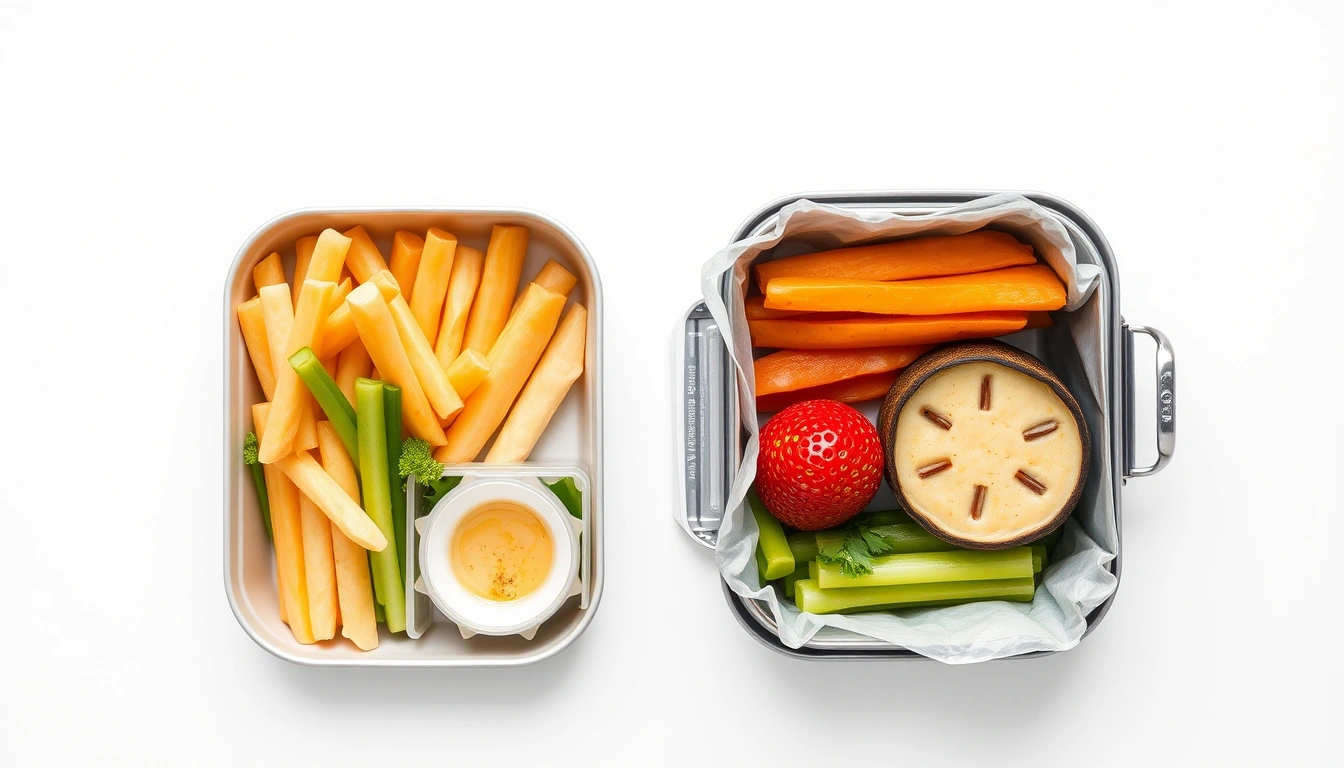
Layered packing fits people who care about texture, not just convenience. I’d put this method in the hands of parents packing lunches, office workers carrying meals for later, and anyone packing food that has to survive transport before it is eaten.
Control is the big win. You can keep a wrap from getting wet by wrapping damp ingredients separately. You can stop berries from staining yogurt by using a divider or small cup. You can keep nuts crunchy by isolating them from steam and moisture. That control becomes especially useful if your lunchbox has several compartments or if you use reusable silicone cups, small containers, or snack pods inside a larger box.
Layered packing also helps with food safety planning because it makes cold and room-temperature items easier to separate. If you carry a cold pack next to a sealed yogurt cup and keep cut fruit away from warm leftovers, the whole lunch is easier to manage. USDA guidance on safe food handling and FDA advice on packed lunches both stress that time and temperature matter, not just container type:
– USDA Food Safety and Inspection Service: https://www.fsis.usda.gov/food-safety/safe-food-handling-and-preparation/food-safety-basics/keeping-food-safe
– FDA food safety advice for school lunches and packed lunches: https://www.fda.gov/food/buy-store-serve-safe-food/food-safety-home
A simple benchmark helps here: the USDA and FDA commonly use the two-hour rule for perishable food left at room temperature, and that gets shorter to one hour when it is hot outside. Should your lunch sit in a bag for three to four hours before eating, layered packing with cooling is usually the safer setup. You’re playing with fire otherwise.
The downside is time and parts. Layered packing takes more containers, more lids, and more cleanup. It also takes more judgment. Overdo it with tiny cups, and the lunchbox gets fussy and inefficient. If the box is too small, layers get crushed and the whole system falls apart.
I would not recommend layered packing for someone who wants a single throw-it-in meal and hates washing extras. It also makes less sense for soups, curries, and all-in-one leftovers. Should your lunch already be soft, hot, and meant to be stirred, extra compartments add complexity without much gain.
Mixed Packing: The Specific Situations Where It Wins
Mixed packing wins when speed matters more than texture separation. Should you be packing chili, pasta, rice bowls, curry, stew, or a salad that will be tossed before eating, mixed packing is the cleaner choice. It also wins for people who only have a short break and want one container, one spoon, and no assembly at lunch.
The main strength of mixed packing is efficiency. One container means fewer loose parts in a bag, fewer things to forget, and less time spent portioning. It can also reduce air gaps, which sometimes helps food stay hotter or colder a little more consistently depending on the container type. A tight, full container has less room for shifting and less chance for toppings to wander. For a 600 ml to 800 ml bowl meal, that one-container setup is often the fastest routine.
Mixed packing is also useful for children who are overwhelmed by too many compartments. A single meal container can reduce decision fatigue and make lunch feel familiar. That matters more than people admit. A lunchbox that is technically “better” but too fiddly will not be used consistently.
But the drawback is obvious: texture loss. Crisp toppings soften. Dressings spread. Sauces migrate. A sandwich packed with its sauce already mixed in will never eat like a sandwich packed with the sauce on the side. When you are bothered by limp lettuce or soft granola, mixed packing is the wrong method.
I also would not choose mixed packing for long commutes with fragile food. The more the food moves, the more it breaks down. A rough tote bag, a bike ride, or a backpack stuffed under books can turn a mixed meal into a mash. That’s not subtle.
So my rule is blunt: use mixed packing for meals that improve when combined, and only then. Should the food’s best feature be texture, mixed packing is usually the wrong move.
The Honest Side-by-Side
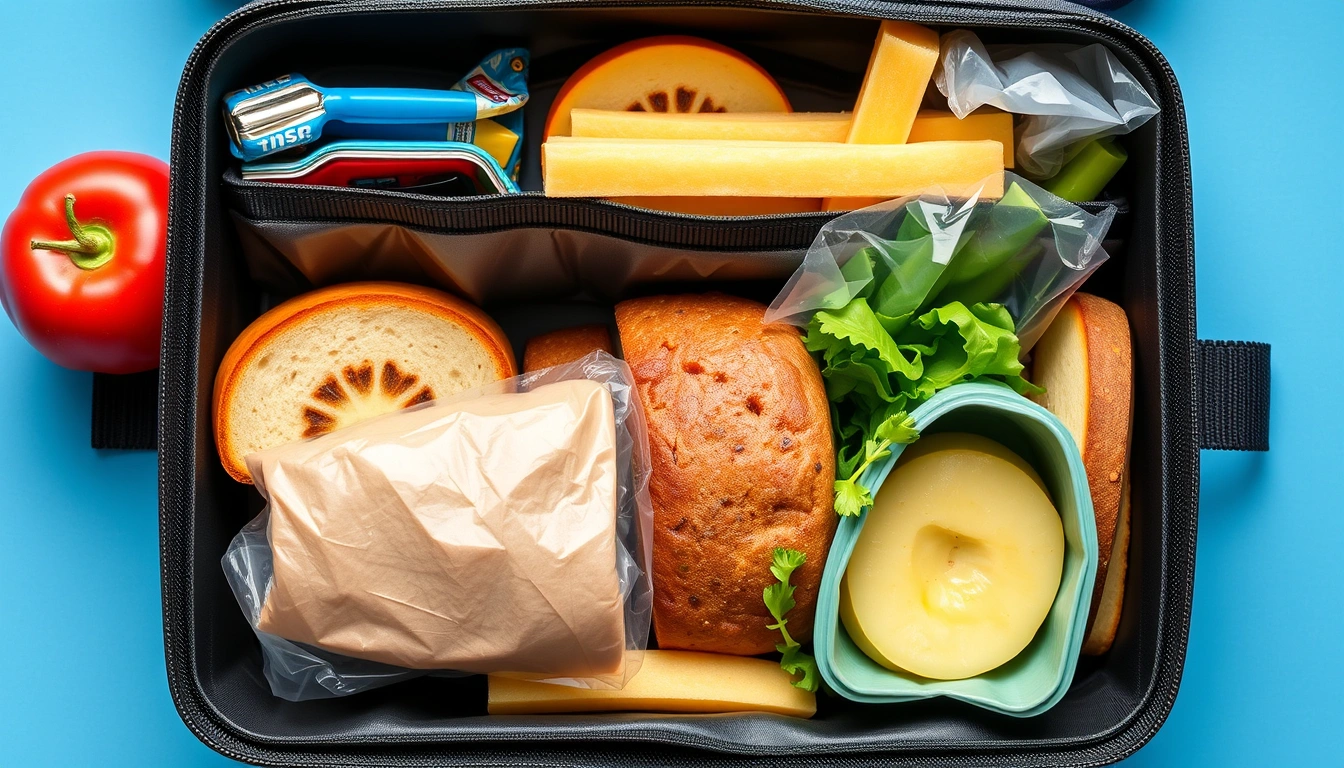
Here is the part most buying guides skip: lunchbox performance is not one thing. Leak resistance, insulation, seal strength, compartment layout, and packability all matter, and they interact with your packing method.
| Criteria | Layered Packing | Mixed Packing | Winner for [condition] |
|---|---|---|---|
| Texture retention | Protects crisp and dry foods better | Softens foods faster when moisture spreads | Layered packing for sandwiches, snacks, salads |
| Speed of packing | Slower because of extra containers | Faster with one main container | Mixed packing for busy mornings |
| Leak control | Better if wet items are isolated | Depends heavily on lid quality and fill level | Layered packing for sauces, fruit, yogurt |
| Ease of cleaning | More parts to wash | Usually fewer parts | Mixed packing for low-maintenance routines |
| Portion control | Strong, because each item is separated | Weaker unless compartments are used carefully | Layered packing for structured meals |
| Meal flexibility | Good for custom combinations | Best for one-bowl meals | Layered packing for picky eaters |
| Transport stability | Good if components are secured | Good if the container is full and sealed well | Depends on commute, but layered packing usually handles fragile items better |
| Food safety planning | Easier to separate hot, cold, and room-temp items | Harder to manage mixed temperatures | Layered packing for mixed-temperature lunches |
| Best lunchbox shape | Compartmented boxes, bento styles, nested containers | Deep single-compartment containers with strong lids | Depends on meal type |
The table tells the real story. Layered packing is not just “more organized”; it solves specific failures. Mixed packing is not just “simpler”; it works best when the meal already behaves like a mixed dish. Should your lunchbox be performing badly, the first thing I’d inspect is whether the packing method matches the meal.
Think of it this way: if you want the lunch to be eaten exactly as packed, layered packing gives you more control. If you want the lunch to be stirred or spooned together, mixed packing cuts out steps. That trade-off explains more than packaging marketing ever will.
How Lunchbox Design Changes the Result
A lunchbox doesn’t work in a vacuum. The lid, seal, compartment walls, depth, and shape all change how the packing method behaves.
Usually, a deeper box handles mixed packing better because food has room to sit without getting smashed. A shallow box can be excellent for layered packing because it encourages neat arrangement and keeps foods visible. Strong gasket seals matter most for wet foods and thicker sauces. A flimsy latch may hold dry food fine but fail when a heavy meal sloshes in a backpack.
Compartmented lunchboxes have their own trade-off. They make layered packing easy, but the walls steal space. That means portions can get cramped quickly. Should you like large salads or a full sandwich plus sides, a highly divided box can feel restrictive. On the other hand, the same design can rescue foods that would otherwise mix too soon.
Materials matter too. Rigid plastic gives structure and often better portability. Stainless steel is durable and resists stains and odors, but it can be heavier and less forgiving with noisy lids or cold surfaces. Insulated soft lunch bags add flexibility but usually need good inner containers to prevent crushing.
A generic comparison often treats lunchboxes as interchangeable. They are not. A great layered packing method can still fail in a box with poor seals or awkward compartments. A mixed meal can still leak if the lid does not lock down well enough. When you are not sure which box to buy, consult a product specialist or nutrition professional when your meals have strict temperature or texture requirements.
Start with the method you actually use most days. Then choose a design that supports that pattern instead of fighting it. For example, a 4-compartment bento can work very well for a structured meal, while a 700 ml single-container lunchbox may be better for soup or rice.
Our Verdict: Which One to Choose and Why
Choose layered packing if you care about texture, carry anything with moisture, or need your lunch to stay appealing for several hours. Choose mixed packing if your meals are mostly one-bowl dishes and you want a faster, simpler routine. Neither if you dislike containers, hate cleanup, and pack food that changes too much in transit to be worth bringing.
That’s my call, and I’d make it again for most readers. Layered packing is the better default because it prevents the most common lunch failures: soggy bread, crushed snacks, watery greens, and sauces spreading where they do not belong. It gives you more control, and control is what keeps lunch edible after a long morning. When you are unsure, a food-safety or meal-prep professional can help you adapt the setup to your routine.
Mixed packing only becomes the better answer when the meal is built for it. A good curry does not need separation. A pasta salad does not need a dozen tiny cups. In those cases, mixed packing is cleaner and less annoying.
The real mistake is choosing a lunchbox first and only then deciding how to pack the food. That order is backwards. Start with the meal. Should the meal have multiple textures, use layers or compartments. If it is a single cohesive dish, use one well-sealed container and be done. For anyone comparing lunchbox options, the method matters as much as the brand.
When to Reconsider This Choice Entirely
There are a few cases where the layered-versus-mixed question is not the right question at all.
First, should you routinely pack hot food for a long time without a way to hold temperature, packaging method will not save you. You need a better insulation plan, a thermos, or a different meal choice. Food safety matters more than neat packing, and when you are uncertain about time and temperature, follow current guidance from a food-safety authority. USDA and FDA both publish temperature and storage guidance for packed food.
Second, when your lunch always comes back half-eaten because it is too much work to assemble, simplify the meal before you optimize the container. A perfectly packed lunch that nobody wants to open is still a bad lunch. If the meal asks for too many steps, the practical answer may be a different lunch, not a different box.
Third, if your food is delicate enough to need rigid protection but you only own soft-sided bags, the problem is the container system, not the packing method. Fragile fruit, frosted desserts, and stacked sandwiches need structure.
Fourth, should you pack for a child or a coworker with sensory preferences, the “best” method may be the one they will actually use. Some people want separation. Some want everything together. Performance is not only about the food; it is about compliance. A 2023 lunch routine that gets used five days a week beats a perfect setup used once.
In those cases, I’d step back and rethink the lunch setup entirely: container shape, insulation, portion size, and meal type all need attention.
Real-World Packing Rules I Would Actually Follow
If you want a simple system, I’d use these rules.
Pack dry and wet items separately whenever possible. That one move prevents the most common lunchbox failures. If you need a number to remember, think 2. Keep two textures apart until eating time.
Put sauces in the smallest secure container available, not loose in the main compartment.
Keep crunchy foods away from anything warm, steamy, or juicy.
When the lunch needs to be eaten cold, chill the components before packing them. A cold lunchbox cannot fix warm ingredients.
If the lunch needs to be reheated, do not overcomplicate it with unnecessary side compartments that only create leftovers and cleanup.
And if you are unsure which method to use, start with layered packing. It is more forgiving. You can always mix things together later. You cannot un-sog a sandwich.
For general food safety, I would also keep the USDA and FDA guidance close when packing lunches for school, work, or travel:
– USDA FSIS food safety basics: https://www.fsis.usda.gov/food-safety
– FDA Food Safety for Consumers: https://www.fda.gov/food/buy-store-serve-safe-food
A practical example helps here. A turkey sandwich, apple slices, and yogurt stay more usable when each item has its own space. A chili-and-rice lunch works better as a single bowl. The packing method should follow the meal, not force it into a shape it does not want.
FAQ
Is a bento box always better than a single-compartment lunchbox?
No. A bento box is better when separation matters. A single-compartment box is better for one-bowl meals, leftovers, and foods that are meant to mix.
How do I stop sandwiches from getting soggy?
Keep wet ingredients separate until eating time. Pack tomatoes, pickles, dressings, and sauces away from bread, or use a barrier like lettuce, cheese, or a small sealed container.
What is the biggest mistake people make with lunchboxes?
They choose the box before they choose the meal. The meal should decide the packing method, not the other way around.
Do insulated lunchboxes fix bad packing?
No. Insulation helps with temperature, not texture. A poorly packed lunch can still leak, crush, or go soggy in an insulated bag.
What should I do if my lunch leaks even in a good box?
Check whether the problem is the container, the fill level, or the packing method. Overfilled containers, loose lids, and mixed wet ingredients are the usual culprits.