Last updated: August 11, 2026
- The CDC says cold foods should stay at 40°F or below.
- The USDA says food should not sit in the “danger zone” between 40°F and 140°F for more than 2 hours.
- Pack water in a bottle they know how to open.
- To pack lunchbox picky eaters without battles at school, the aim is to lower friction, not force variety.
Quick Answer: Pack 1 safe main food, 2 familiar sides, and 1 backup snack for a total of 4 items. To pack lunchbox picky eaters without battles at school, the aim is to lower friction, not force variety. A good lunchbox for a picky eater is less about nutrition perfection and more about cutting resistance.
What Actually Makes a Lunchbox Work for a Picky Eater
A lunch that comes home untouched usually points to one of three culprits: the food feels too new, the texture is off, or the lunchbox is too hard to manage in a noisy, rushed setting. Unglamorous? Absolutely. But it also gives you something workable.
Generic advice gets this wrong. It tells parents to keep offering variety without accounting for school reality. A lunchbox is not a dinner plate. Your child may happily eat strawberries at home and reject them at school because the cafeteria is loud, the berry is wet, or they do not want to be “the kid with the weird lunch.”
Need a simple rule? Pack one safe food, one preferred protein or filling item, one fruit or vegetable your child already tolerates, and one small “practice” item only if the rest of lunch is steady. Otherwise, lunch starts feeling like an edible referendum on your parenting. Ouch.
Some families do better with Bento-style boxes because separate compartments keep foods from touching. Others prefer a plain sandwich box because fewer sections mean fewer choices. Neither is always right. Fair trade-off.
- Pick one lunchbox style and keep it consistent for a week.
- Choose one usually eaten item first, such as crackers, plain pasta, cheese, yogurt, a familiar sandwich, or a fruit your child already accepts.
- Add one protein or staying-power food so lunch does not collapse into sugar and starch.
- Put new or less-loved items in tiny portions, not full servings.
- Send only foods you are comfortable seeing come home untouched.
For food safety, the U.S. Department of Agriculture’s Food Safety and Inspection Service and CDC guidance on keeping cold foods cold are worth reading. Use an insulated lunch bag and ice pack when needed, especially for dairy, meat, or cut fruit. The CDC says cold foods should stay at 40°F or below.
Quick check: if your child is overwhelmed by choice, sensitive to texture, or embarrassed by “different” food, start here before you get fancy. That math stops working fast.
If Your Child Rejects New Foods, Build a Bridge Instead of a Breakthrough
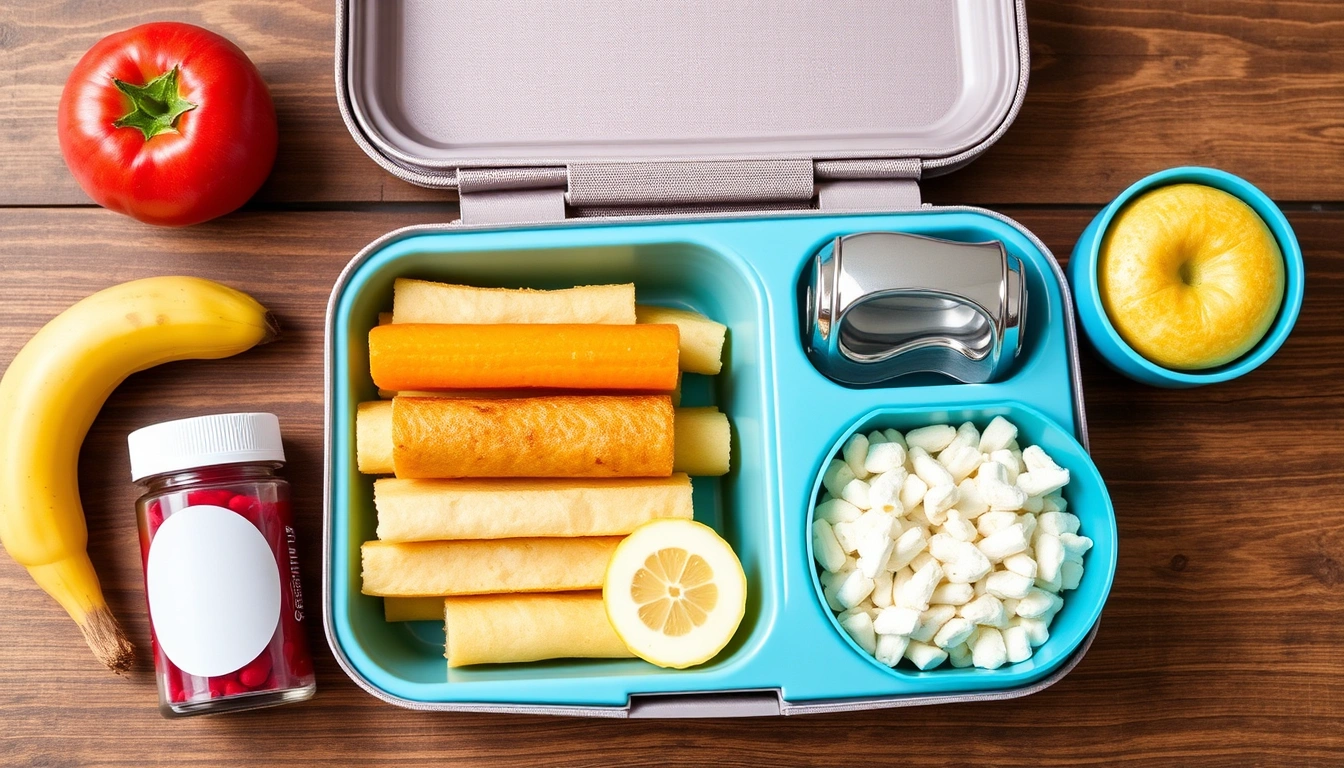
When a child refuses anything unfamiliar, school lunch is not the place for a bold reinvention. I would stop trying to make lunch the stage for “one bite” battles; that usually backfires. Change one thing at a time, and only after the rest of the meal is dependable.
Why does the bridge-food approach work? Because it lowers the emotional cost of trying. Same shape. Same brand. Same color. Same dip. Same sandwich bread, or the same fruit cut a different way. Tiny changes count. A child who eats apple slices may accept thin apple wedges before they accept a different fruit. A child who likes crackers may accept crackers with a little cheese before they accept a wrap.
When you are in this situation, the lunchbox needs a low-risk structure.
- List five foods your child reliably eats at home.
- For each one, write one near-match: same texture, same flavor family, or same shape.
- Choose one “safe” item for every lunch for at least a week.
- Rotate only one bridge food at a time.
- Serve any new item in a tiny portion beside a safe food, not mixed into it.
- Repeat the same bridge for several lunches before deciding it failed.
Examples help here. If your child likes white bread, try the same sandwich filling on a small roll or in a tortilla. If they like dry cereal, try one new cereal mixed with the familiar one. If they eat cucumber at home, pack peeled cucumber coins before trying spears or slices with skin.
The downside is simple: this is slow. No dramatic lunchbox variety next week. But if your child is genuinely cautious, slow is usually faster than conflict.
Quick check: if your child’s answer to everything is “No, not that,” you need bridges, not persuasion.
The Lunchbox Formula I’d Use When School Days Are Hectic
Rushed mornings mean the lunchbox has to be simple enough to pack half-asleep. In that case, I would use a repeatable formula instead of inventing a fresh meal every day: one main item, two sides, one backup snack. That covers hunger without turning lunch into a puzzle.
A strong school lunch for a picky eater usually has a familiar carbohydrate, a protein or fat that sticks with them, and one fruit or veg they already tolerate. Skip the “perfect balance” mindset if it makes packing harder. Honestly, a child who eats a cheese quesadilla, banana slices, and crackers did better than a child who gets a gourmet bento they won’t touch.
Here is a simple comparison.
| Situation | Best Path | Why Other Options Fail |
|---|---|---|
| Child eats the same few foods every day | Repeat a narrow menu with small variations | Variety can create refusal before hunger even starts |
| Child likes foods separate | Use a compartment lunchbox or silicone cups | Mixed foods often trigger texture objections |
| Child likes only warm foods | Use a thermos for hot leftovers | Cold pasta or sandwiches may be rejected outright |
| Child nibbles all day | Pack small portions with easy extras | Oversized portions look impossible and get ignored |
If you need a concrete packing path, try this:
- Choose one main lunch item your child already accepts: sandwich, wrap, pasta, rice, quesadilla, nuggets, yogurt with side foods, or leftovers in a thermos.
- Add one filling side: cheese stick, hummus with crackers, turkey roll-ups, beans, nuts if allowed, or sunflower-seed butter if the school permits it.
- Add one produce item they already eat, not one you hope they will suddenly accept.
- Include one crunchy or sweet “safe” snack so lunch feels predictable.
- Pack water in a bottle they know how to open.
- Review what comes back uneaten, but do not change everything at once.
A plain lunchbox often works better than a cute one if the “cute” one is hard to open. Independent use matters more than style.
Quick check: when school mornings are chaotic, choose a formula you can repeat blindfolded.
How to Pack Lunchbox Foods So They Survive the School Day

Food that comes home soggy, warm, crushed, or half-spilled changes the equation. A picky eater who likes grapes may still reject grapes if they arrive wet and bruised. A child who eats a sandwich at home may not touch it if the bread turns mushy by noon.
“Just pack healthy food” is too simple. Texture after three hours in a backpack is a real issue.
Use the container that matches the food. Separate wet from dry. Keep dips in a tight container. Put the most fragile item in the safest spot. If your child hates mixed textures, do not pack salsa on the side of crackers and expect a miracle.
A workable approach:
- Pack cold foods only after they are fully chilled.
- Use an insulated lunch bag with an ice pack for anything perishable.
- Wrap sandwiches tightly so they do not dry out.
- Keep cut fruit dry with a paper towel or a small separate container.
- Pack crunchy items away from wet foods to protect texture.
- Use a thermos for hot foods if warm leftovers are more accepted than cold ones.
For real guidance on safe temperatures and lunch packing, the USDA and CDC both publish school-lunch food safety advice. Their general advice is simple: keep cold foods cold and hot foods hot, and don’t leave perishables out too long. The USDA says food should not sit in the “danger zone” between 40°F and 140°F for more than 2 hours.
The trade-off is real: extra containers mean extra pieces to wash and lose. If your child is too young to manage a complicated setup, simplify. A two-compartment box and one drink bottle may beat a perfect lunch system nobody can open.
Quick check: if lunch is rejected after sitting all morning, look at packing method before blaming the food.
When the Standard Advice Is Wrong for Your Child
Strong sensory preference, a food allergy, a speech delay, autism, ADHD, anxiety, or a history of gagging around certain textures can make “just keep offering it” fall flat. You may need a narrower, safer plan. And when lunch is a source of tears before school, stability comes first; expansion can wait.
The usual mistake is reading refusal as stubbornness. Sometimes it is discomfort, overstimulation, or a real inability to handle certain temperatures, smells, or textures in a school setting.
Use this decision table to match the situation to the response.
| Situation | Best Path | Why Other Options Fail |
|---|---|---|
| Strong sensory sensitivity | Keep textures consistent; avoid surprise combinations | “Hidden” vegetables or mixed foods often trigger rejection |
| Anxiety about being noticed | Pack familiar-looking foods and normal portions | Unusual smells or messy foods can make a child skip lunch |
| Very small appetite at school | Send smaller portions with one high-value food | Big lunch portions can feel impossible |
| Food allergy at school | Work with school rules, labels, and safe substitutes | “Close enough” foods are not safe substitutes |
| Child gets distracted and forgets to eat | Easy-open containers and simple foods | Complicated packaging can make lunch too much effort |
If your child fits one of those situations, the lunchbox plan should shift with it. For anxiety, send a lunch that looks boring in the best way. For sensory issues, keep temperature and texture steady. For distraction, use low-effort foods that can be eaten in a few bites.
If allergies are in play, talk to your pediatrician or allergist about safe options and follow school policy closely. I would not improvise here. The American Academy of Pediatrics notes that food allergies can be severe, and school plans should match the child’s medical needs.
Quick check: if your child’s refusal seems tied to discomfort, anxiety, or safety, don’t use a one-size-fits-all lunch plan.
Edge Cases That Break the Usual Rules
When the normal lunch advice keeps failing, one of these situations is usually why.
-
The child eats at home but not at school.
What changes: the school environment is the problem, not the food itself.
What to do instead: send smaller, quieter foods with fewer smells and fewer messy textures. -
The child only eats snack foods.
What changes: lunch needs to be built around snack-style pieces, not a sandwich expectation.
What to do instead: use a snack plate approach—crackers, cheese, fruit, mini muffins, yogurt, or roll-ups. -
The child loves one food and refuses the rest.
What changes: lunch should protect the safe food and gently pair one small stretch item beside it.
What to do instead: do not remove the safe food to “encourage” variety; that usually increases refusal. -
The school has nut restrictions or other food rules.
What changes: some favorite fillings are off the table.
What to do instead: use sunflower-seed butter, cheese, beans, yogurt, or other school-safe proteins as allowed. -
The child has braces or dental pain.
What changes: crunchy, chewy, and sticky foods may suddenly become hard to eat.
What to do instead: switch to softer foods like pasta, soft fruit, yogurt, eggs, or tender wraps until eating is comfortable again. -
The child says the lunch is “embarrassing.”
What changes: social acceptability matters as much as taste.
What to do instead: keep the lunch visually familiar, avoid strong smells, and ask what classmates are eating without copying junk food blindly.
Quick check: if your best effort still comes home untouched, one of these exceptions may be driving the problem.
The Fastest Way to Stop Lunchbox Battles Tomorrow Morning
Want the shortest path to less conflict? Make lunch boring, predictable, and easy to eat. Choose one safe main food, one familiar side, one fruit or vegetable your child already accepts, and one backup snack. Repeat that plan for several days before changing anything.
I would not chase “perfect nutrition” at the cost of daily fights. A child who eats a decent lunch calmly is ahead of a child who gets a beautiful lunch and refuses it.
Use this final checklist:
- Does my child recognize every item in the lunch?
- Can they open every container?
- Will the food still be decent by lunch time?
- Have I packed at least one usually eaten item?
- Have I kept the new thing small enough to feel safe?
- Does the lunch fit the school’s food rules and allergy rules?
If the answer to any of those is no, fix that part before adding more variety.
For a practical source on child feeding concerns, the American Academy of Pediatrics and registered pediatric dietitians are good places to look if you need extra support, especially when pickiness is severe, growth is a concern, or eating feels emotionally charged. A pediatrician can help if refusal is tied to weight loss, choking fears, reflux, constipation, or sensory distress.
Quick check: if your goal is fewer morning battles, not a perfectly adventurous eater,