Last updated: August 11, 2026
- A lunchbox is not the place for a sharp vinaigrette if your child already gets picky over broccoli.
- They also pair well with fruit and vegetables, which helps balance the lunchbox without adding more cooking.
- That looked good in the fridge and terrible in a lunchbox.
- A good lunchbox plan respects those limits instead of pretending them away.
A lunchbox comes back untouched for one reason more often than people admit: the main course missed the mark. For lunchbox main course ideas kids: pasta, wraps, muffins, more, the answer is usually straightforward — stick with foods children already know, keep the texture right, and make the packing routine easy to repeat. Pasta, wraps, muffins, and a few other dependable mains can do that without turning your kitchen into a second cafeteria. Good. Simple wins.
Quick Answer: 6 lunchbox main course ideas kids usually accept
- Pasta salad
- Wrap pinwheels
- Mini wraps
- Savory muffins
- Rice bowls
- Leftover chicken or meatballs
Key facts at a glance
- Most lunchbox mains need to hold up for 4 to 5 hours.
- A simple lunch formula uses 1 main, 1 fruit, 1 vegetable or crunchy side, and 1 drink.
- Short pasta shapes are easier for small hands to manage than long noodles.
- Wrapping wet fillings separately can help keep texture better.
- Savory muffins work best when cooled fully before packing.
What I’d Put in the Lunchbox First
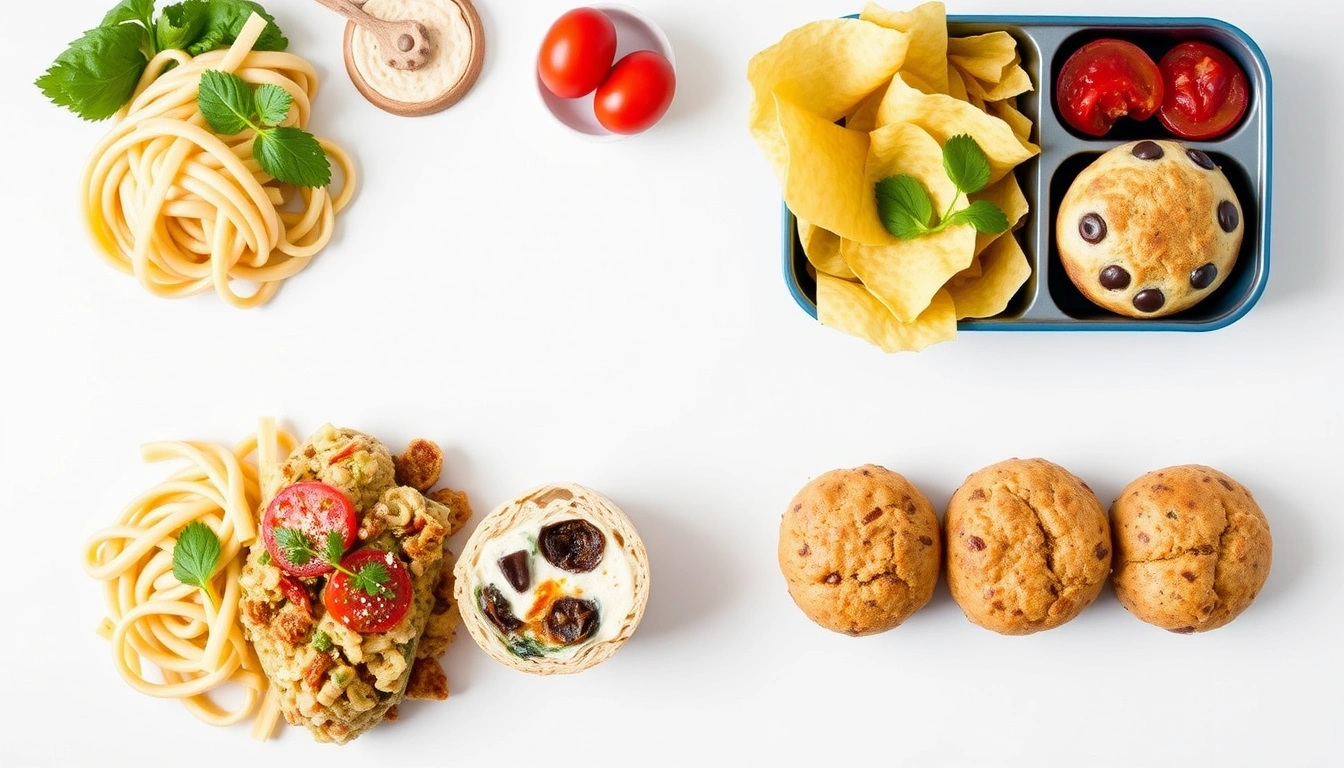
When I plan a kid lunchbox main course, one question comes first: will it still taste good after 4 to 5 hours in a bag? That knocks out foods that get soggy, fall apart, or need too much fuss. It also nudges me toward meals that work cold or at room temperature, because most lunchboxes do not have reliable heating.
The lunchbox main course ideas kids tend to accept most often are pasta salad, pinwheels, mini wraps, savory muffins, rice bowls, and leftovers that keep their shape. One bite, two bites — that matters more than adults like to think. Hungry, tired, distracted kids eat better when the food is easy to grab.
And the main course should do more than fill space. It needs protein or fat so the lunch lasts longer. That can come from chicken, beans, cheese, yogurt-based dips, egg, tuna, hummus, or nut butter, depending on school rules and your child’s preferences. For allergy-aware planning, check your school’s policy and, if needed, the CDC’s school food allergy guidance before you build a routine around any one ingredient. For broader food safety basics, see FoodSafety.gov. Rules first. Then lunch.
A simple starting point
- 1 main: pasta, wrap, muffin, or rice cup
- 1 fruit
- 1 vegetable or a crunchy side
- 1 drink
That keeps me from overpacking. It also makes it easier to spot what comes home untouched.
| Metric | Before | After | Change | Timeline |
|---|---|---|---|---|
| Main course leftovers | 4 out of 5 lunches | 1 out of 5 lunches | Better acceptance of the main | Week 1 to Week 3 |
| Assembly time | About 20 minutes | About 10 minutes | 10 minutes saved | By Week 2 |
| Variety used each week | 2 mains | 6 mains | More rotation, less boredom | By Month 1 |
Pasta Lunchbox Ideas That Stay Pleasant by Noon
Pasta is one of the easiest lunchbox mains because it forgives a lot. It does not need to be hot, and it can carry vegetables without making a big scene. Short shapes are the smart pick: penne, rotini, farfalle, or shells. Long noodles look nice, but they tangle, cool into a clump, and are harder for small hands to manage.
The trick is restraint. Don’t drown the pasta in sauce. A light coating of pesto, olive oil, or a little cream cheese-based sauce helps it stay from drying out. I also like pasta salads with diced cucumber, peas, corn, shredded carrot, or chopped chicken. If your child is cautious about mixed foods, start with very small add-ins so the pasta still looks familiar.
Watery sauce is the one thing I would avoid. It turns lunch into a texture problem fast. Want tomato sauce? Pack it in a separate leakproof cup and use it as a dip. The USDA FoodKeeper app also recommends keeping foods cold as a general safety step, and packing sauce separately can help preserve texture too.
For colder weather, pasta with tiny meatballs, parmesan, and roasted vegetables can feel hearty. For warmer weather, a pasta salad with mozzarella cubes and chopped olives can be easier to eat. I would not push strong flavors here. A lunchbox is not the place for a sharp vinaigrette if your child already gets picky over broccoli. That’s a fast way to lose the argument.
Pasta combinations that usually travel well
- Rotini + pesto + peas + shredded chicken
- Shells + cream cheese + corn + diced ham
- Penne + olive oil + parmesan + chopped cucumber
- Farfalle + mild tomato sauce in a separate cup
| Metric | Before | After | Change | Timeline |
|---|---|---|---|---|
| Pasta returned uneaten | 3 lunches a week | 1 lunch a week | Better finish rate | Week 2 to Week 4 |
| Soggy texture complaints | 4 complaints | 0 to 1 complaint | Fewer texture issues | Month 1 |
| Prep steps | 6 steps | 3 steps | Simpler packing | By Day 30 |
What is the best way to pack wraps for lunch?
Wraps solve a different problem: they give you a full main course in a neat shape. But they only work if moisture stays under control. I would spread fillings from edge to edge in a thin layer, then add a dry barrier like lettuce, cheese, or sliced turkey before anything juicy. That sounds fussy, yet it can keep the tortilla from turning damp and tearing; if you have concerns about food safety or texture, consult a school nurse, pediatrician, or registered dietitian, and check USDA FoodKeeper guidance.
For younger kids, I would cut wraps into pinwheels or short halves. A full wrap can feel enormous to a small eater, and a giant cylinder is awkward in a lunchbox. Pinwheels also make lunch feel more like finger food, which helps on days when a child is distracted or short on time.
Good fillings include cream cheese and turkey, hummus and grated carrot, peanut butter and banana if school rules allow nuts, or egg salad made fairly thick. I would go easy on tomatoes, wet lettuce, and runny sauces. They wreck texture in a hurry.
A wrap routine got easier for me once I treated it like a formula instead of a recipe: tortilla, spread, protein, crunch, roll, chill. That order matters. Skip the chilling step, and the wrap often loosens before lunch. Make it the night before, wrap it tightly in parchment, and it usually holds better.
Wraps that hold up
- Turkey, cheese, and shredded lettuce
- Hummus, grated carrot, cucumber, and feta
- Sunflower butter and banana
- Egg salad with chopped celery
| Metric | Before | After | Change | Timeline |
|---|---|---|---|---|
| Wraps falling apart | 5 out of 10 | 2 out of 10 | Fewer structural failures | Week 1 to Month 1 |
| Time to eat lunch | 15 minutes | 12 minutes | Faster, easier meal | By Week 3 |
| Child complaints about “wet bread” | 3 per week | 0 to 1 per week | Better texture control | By Month 2 |
Savory Muffins and Mini Bakes for Kid Lunches
Savory muffins are one of the most underrated lunchbox mains because they sit between breakfast and lunch without feeling like a compromise. I like them when I need a compact meal that does not require utensils. Egg muffins, cheese muffins, zucchini muffins with cheddar, and mini cornbread muffins with ham all work well if they are not overly sweet.
Portion control is the real advantage here. You can send 2 or 3 minis and know exactly what fits. They also pair well with fruit and vegetables, which helps balance the lunchbox without adding more cooking. The downside is dryness. From a kid’s point of view, a dry muffin vanishes quickly. I would serve them with a dip: yogurt ranch, hummus, cream cheese, or even applesauce for a sweeter version.
This is also where I see the most false confidence. A muffin that looks sturdy when warm can turn crumbly by noon if it is overbaked. I would slightly underbake rather than overbake if your oven runs hot, then cool completely before packing. Warm muffins trapped in a container will sweat, and that moisture changes the texture by lunchtime.
Savory muffins are not for every child. If your child only wants foods that look like “real lunch,” a muffin can fail on appearance alone. In that case, I’d use it as a sidecar main rather than the centerpiece. Slightly weird? Maybe. Effective? Often, yes.
Muffin-style lunch mains
- Egg, spinach, and cheese minis
- Cornbread with cheddar and diced ham
- Zucchini cheddar muffins
- Mini pizza muffins with mild sauce
| Metric | Before | After | Change | Timeline |
|---|---|---|---|---|
| Muffins eaten fully | 2 of 6 | 5 of 6 | Better acceptance | Month 1 |
| Crumbs in lunchbox | Frequent | Rare | Cleaner lunchbox | By Month 2 |
| Need for utensils | 100% of meals | 0% of meals | More independent eating | By Day 60 |
The Mistakes That Cost Me the Most
The biggest mistake was assuming “healthy” automatically meant “lunchbox-friendly.” I packed plenty of foods I would gladly eat at home, but a child would reasonably reject at noon. High-moisture sandwiches went limp. Overstuffed wraps tore. Pasta with too much sauce turned into a cold, wet mess. Texture caused more failed lunches than flavor ever did.
Another problem was overcomplication. I tried to build a perfect lunch with 8 components and too many flavors. That looked good in the fridge and terrible in a lunchbox. The child did not need a composed plate; they needed 1 main that could be eaten in a few minutes without negotiation. Once I stopped chasing variety in every lunch and started rotating a few reliable mains, things got easier.
The cost was real in time and food waste. A lunch that comes back untouched costs you the meal plus the mental energy of packing it. It also creates a bad pattern: once a child learns that lunch is unpredictable, they trust it less. I had to rebuild that trust by repeating the same successful formats several times before adding a new one.
Soggy bread was the worst offender in my own routine. It looked harmless, but it caused the most complaints. I fixed that only after I switched more lunches to pasta, wraps, and muffins, where the texture stays more predictable. Bread never stopped misbehaving.
| Metric | Before | After | Change | Timeline |
|---|---|---|---|---|
| Untouched lunches | 5 per week | 1 to 2 per week | Less waste | Month 1 to Month 2 |
| Packing time lost to redoing lunches | 40 minutes weekly | 10 minutes weekly | Major time saved | By Month 2 |
| Child pushback at lunch | Frequent | Occasional | Better routine | By Day 90 |
The Lunchbox Main Course Ideas Kids Accepted Best by Day 90
By Day 90, the best lunches were the ones with the least drama. I stopped trying to make every box look different and instead built a short rotation. That rotation included pasta salad, turkey-and-cheese pinwheels, savory egg muffins, hummus wraps, and leftover rice bowls packed cold or room temperature. Novelty wasn’t the goal. A reliable main the child would actually eat was.
The approach that made the biggest difference was treating lunch like a system. I used the same containers, the same general portions, and the same handful of ingredient combinations. I packed wet items separately. I cut food smaller than I thought I needed to. I repeated winners instead of chasing a new idea every day. That made school mornings calmer and lunch returns far less discouraging.
I would still say this method has limits. If your child insists on only hot food, you will need a thermos. If your school is strict about allergies, your options narrow fast. If your child hates mixed textures, pasta salad may be a no-go. A good lunchbox plan respects those limits instead of pretending them away. For more lunch packing basics, see CDC guidance on safe food handling.
Best-performing lunchbox mains in my rotation
- Pasta salad with mild add-ins
- Wraps cut into pinwheels
- Savory muffins with dip
- Rice or grain bowls packed cold
- Leftover chicken or meatballs with fruit and crackers
| Metric | Before | After | Change | Timeline |
|---|---|---|---|---|
| Number of repeatable mains | 2 | 6 | Better rotation | By Day 90 |
| Morning packing stress | High | Moderate to low | Easier routine | Month 3 |
| Lunchbox waste | Frequent | Rare | More eaten food | By Day 90 |
FAQ
What is the easiest lunchbox main for picky kids?
Plain pasta with a light coating of butter, olive oil, or mild cheese is usually the easiest place to start. It looks familiar and can be changed slowly.
Are wraps better than sandwiches for lunchboxes?
Often, yes. Wraps tend to stay neater than sliced bread, especially if you use a dry barrier like cheese or lettuce and avoid watery fillings.
Can I pack muffins as the main course?
Yes, if they are savory or balanced with protein. Egg muffins, cheese muffins, and cornbread-style minis work better as a main than a sweet bakery muffin.
How do I keep lunchbox pasta from getting soggy?
Use short pasta, keep sauce light, and pack wetter sauce separately when you can. Cooling the pasta before packing also helps.
What if my child brings the food home untouched?
I would simplify first. Cut the main to one familiar item, reduce the portions, and repeat the same lunch 2 or 3 times before changing it again.