Last updated: August 11, 2026
Quick Answer
A kid can refuse sandwiches and still eat a solid lunch. The trick is simple: build a non-sandwich lunch around 1 protein, 1 carb, 1 fruit or vegetable, and 1 dip or favorite food. For a lot of families, that setup works better than trying to “fix” sandwiches.
Stop disguising bread under cute names. Really. When your child turns down sandwiches, the better move is to use foods they already accept: snacky proteins, dips, warm leftovers, and a few items that still taste fine by noon. I write about family food and lunch packing, and this is the kind of problem that usually needs a menu, not a pep talk. This guide on lunch ideas kids who hate sandwiches focuses on practical lunch ideas kids who hate sandwiches can actually eat.
Key Facts / Key Takeaways

- A non-sandwich lunch is usually built from 4 to 5 parts, not one assembled item.
- Kids who dislike soggy bread, mixed textures, or deli smells often do better with separate foods.
- A lunchbox with compartments can reduce pressure because the foods stay visible and distinct.
- Warm lunches can work well in a thermos if the child likes the food at lunch temperature.
- If a child’s eating is very restricted, a pediatrician or feeding therapist may be helpful.
- Food safety guidance from the USDA and CDC is worth checking before packing lunches without refrigeration.
The Real Difference Between Sandwich Lunches and Non-Sandwich Lunches
Texture and control. That’s the whole story, really. Sandwich lunches ask a child to accept one assembled thing: bread, filling, and moisture all in one bite. Plenty of kids hate that. Non-sandwich lunches keep each part separate, which gives picky eaters more control and often less drama at the lunch table.
That usually means “I hate sandwiches” is shorthand for something narrower. Sometimes the bread feels too squishy. Sometimes the filling makes the bread soggy. Sometimes the child dislikes mixed textures, cold meat, or the smell of deli food. A generic lunchbox article misses that and keeps suggesting turkey on whole wheat in different forms. Useless.
So my advice is to stop chasing a lunch “format” and start building a lunch “mix.” A good non-sandwich lunch has:
– one protein they will reliably eat
– one starch or crunchy side
– one fruit or vegetable
– one dip or sauce if they like dipping
– one treat or comfort food if you need insurance
That structure gives you options without forcing a sandwich shape. It also makes it easier to swap foods when a child gets bored. The trade-off? These lunches can take more thought than throwing together a sandwich. They also need packaging that keeps wet and dry foods apart, or you end up with limp crackers and warm yogurt. So if you want the least effort possible, sandwiches are still simpler for many families. But if your child has made it clear they will not eat them, non-sandwich lunches win on actual consumption, which is the point.
For food safety and lunch packing basics, the USDA’s Food Safety and Lunches guidance and the CDC’s Food Safety page are useful starting points.
Non-Sandwich Lunches: Who Should Actually Use This (and Who Shouldn’t)

Non-sandwich lunches work well for kids who are texture-sensitive, sandwich-averse, or simply bored by bread. They also fit children who do better with familiar foods packed in separate compartments. If your child happily eats cheese, crackers, fruit, yogurt, leftover pasta, hard-boiled eggs, rice, or chicken but refuses anything between slices of bread, this format makes sense immediately.
Younger kids who like to graze are a strong fit too. Small portions and visible ingredients tend to feel less intimidating. A lunchbox full of little sections beats a wrapped sandwich that comes back half-eaten, and by a mile. It also works well for slow eaters, because they can finish the parts they like first and still have enough variety to stay interested.
The weakness is easy to spot: without a plan, this approach can turn into a pile of random snack foods. Then you get too little protein, too many refined carbs, or a lunch that looks fun but leaves a child hungry an hour later. Another drawback is time. Packing a balanced non-sandwich lunch often takes more prep than slapping together a sandwich the night before.
This option is not for every family. If your child eats sandwiches happily, you do not need to reinvent lunch. If your mornings are chaotic and you have no fridge access at school, some non-sandwich foods will be harder to pack safely. And if your child is extremely selective and rejects most individual foods anyway, the issue may not be “no sandwiches” but a much narrower food list. In that case, a pediatrician or feeding therapist may be worth asking for advice, especially if eating is stressful or growth is a concern. According to the CDC, repeated problems with a very limited diet are a good reason to get professional input.
The Specific Situations Where Snack Boxes Win
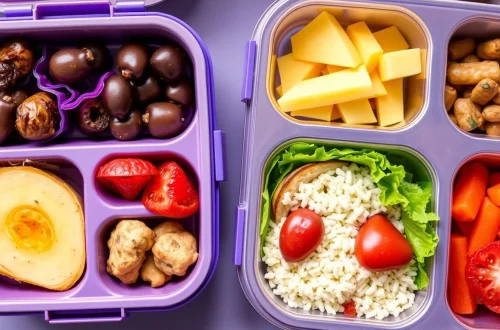
When lunch needs choice, snack boxes win. A divided lunch box lets you offer two or three foods without making any one of them the “main event.” That can lower pressure, which is often half the battle with picky kids.
I would choose a snack box-style lunch when:
– your child likes dipping
– your child hates soggy bread
– your child eats better when foods stay separate
– you need lunch to survive unrefrigerated for a while, using shelf-stable items
– you want easy rotation without full recipes
This format gives you room to build around what the child already likes. Good anchors include cheese cubes, crackers, hummus, cucumber slices, cherry tomatoes, edamame, turkey roll-ups, olives, mini meatballs, nuts if allowed by school policy, trail mix, or fruit. For many kids, a dip is the hook. Hummus, ranch-style yogurt dip, guacamole, or even applesauce can make plain foods feel more appealing.
Honestly, the downside is that snack boxes can look complete and still miss the mark nutritionally. It is easy to overpack fruit and crackers and forget protein. It is also easy to include too many “safe” foods that are really just preferred carbs. The result is a lunch that gets eaten fast and does not hold a child until afternoon. For example, a box with only crackers, grapes, and pretzels may look fine but still leave a child hungry by 1 p.m.
Another snag: some schools and daycares have nut restrictions or limited refrigeration. You have to pack with the setting in mind, not just the menu. If you cannot keep food cold, use insulated containers and safe shelf-stable choices. If a lunchbox opening is tiny, choose foods that are easy to manage with small hands.
Snack boxes are not fancy. They are practical. For many sandwich-hating kids, practical is exactly what works.
The Honest Side-by-Side
The question is not “What looks cute?” It is “What actually gets eaten?” Here is the comparison I would use when choosing lunch ideas for a kid who hates sandwiches.
| Criteria | Sandwich-Style Lunches | Non-Sandwich Lunches | Winner for [condition] |
|---|---|---|---|
| Likelihood the child will eat it | Often low if bread or mixed textures are the problem | Usually higher because foods stay separate | Non-sandwich, for sandwich-averse kids |
| Speed to pack | Fastest for most parents | Moderate unless you prep ahead | Sandwich-style, for rushed mornings |
| Texture control | Low once assembled | High; each item stays distinct | Non-sandwich, for texture-sensitive kids |
| Risk of sogginess | Higher | Lower if packed well | Non-sandwich, for lunches packed early |
| Protein ease | Simple if the child accepts sandwich fillings | Simple only if you plan it intentionally | Sandwich-style, for convenience |
| Variety without pressure | Limited unless you rotate fillings often | Very flexible | Non-sandwich, for bored eaters |
| Works with picky grazers | Less well; one mixed item can feel like too much | Very well; they can pick and pace themselves | Non-sandwich, for grazing eaters |
| Needs refrigeration discipline | Moderate | Moderate to high, depending on ingredients | Tie, depending on what you pack |
| Best for school lunch boredom | Only if the child still likes the format | Yes, because you can rotate components | Non-sandwich, for routine fatigue |
The table points to the same conclusion I would give a friend: if the child rejects sandwiches, stop trying to win the bread battle. Use the foods they already trust and build around those.
What I Would Pack Instead of a Sandwich
If I had to build a lunch for a child who hates sandwiches, I would start with a protein and then add two or three small sides. I would not try to make a miniature adult lunch. Keep it obvious. Keep it familiar.
Here are combinations that make sense:
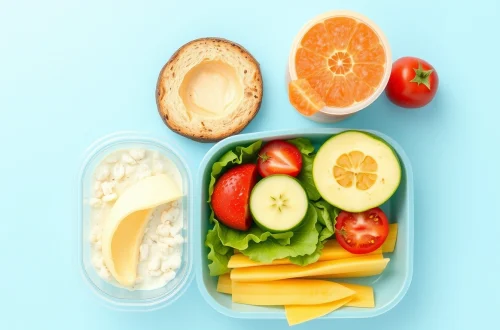
– Cheese cubes, crackers, grapes, and carrots
– Hard-boiled egg, pretzels, strawberries, and cucumber slices
– Hummus, pita chips, bell pepper strips, and orange segments
– Chicken bites, rice, peas, and a fruit pouch
– Greek yogurt, granola, blueberries, and a muffin
– Turkey roll-ups, apple slices, crackers, and pickles
– Pasta salad with cheese, peas, and cherry tomatoes
– Mini meatballs, bread cubes or crackers, melon, and snap peas
For kids who want warm food, a thermos can change everything. Leftover pasta, mac and cheese, rice and beans, fried rice, noodles, meatballs, soup, or chili often work better than any cold lunch. The big benefit is comfort. The drawback is that you need a decent container and a little morning routine. Warm lunches also only work well if your child likes the food at lunch temperature, which is not guaranteed.
My rule is this: do not force variety at the expense of acceptance. If your child eats three foods reliably, build from there and slowly widen the menu. A little repetition is fine. Repeated exposure can help some kids move from “no” to “maybe.”
What I would skip:
– wet fillings in bread if your child already hates soggy textures
– giant lunch portions that intimidate small eaters
– foods that require a lot of utensil work if your child is impatient
– too many new items in one lunch
The best lunch is the one your child actually opens and eats, not the one that photographs well.
Our Verdict: Which One to Choose and Why
So, choose non-sandwich lunches if your child refuses sandwiches, dislikes mixed textures, or eats better when foods stay separate. Choose sandwich-style lunches if your child does not actually hate sandwiches and you need the fastest possible morning pack. Neither if your child’s eating is so restricted that lunch regularly comes home untouched; in that case, talk with your pediatrician or a feeding specialist.
That is the call I would make without hedging. When a child is a true sandwich hater, lunch boxes, snack boxes, leftovers in a thermos, and build-your-own compartments are the better tool. They respect the problem instead of arguing with it.
The strongest version of this approach is not random snacks. It is a predictable formula:
1. one protein
2. one crunchy or filling carb
3. one fruit or vegetable
4. one dip or sauce if your child likes it
5. one reliable favorite
That formula gives structure without the sandwich. It also lets you repeat lunches without creating full-on boredom. When you pack the same base with small changes — different fruit, different cracker, different dip — you get variety without extra mental load.
The weak spot is still balance. Non-sandwich lunches can drift toward “all sides” if you are not careful. Watch for that. A lunch that looks colorful is not automatically a lunch that satisfies.
When to Reconsider This Choice Entirely
There are a few exception scenarios where I would change course.
First, if your child does not just dislike sandwiches but resists many foods, lunches are not really the core issue. A very narrow diet can point to sensory issues, anxiety, or feeding challenges. That deserves professional attention, especially if growth, energy, or mealtime stress is affected.
Second, if your school lunch setup is limited — no fridge, no insulated container, no time to eat, no utensils — the best lunch is the one that survives the day. In that case, shelf-stable foods may matter more than whether the lunch is sandwich-free.
Third, if your child is in a phase where they want the same exact lunch every day, I would honor that for a while. Many parents fight variety too soon. A predictable lunch can lower stress and increase intake. You can widen it later.
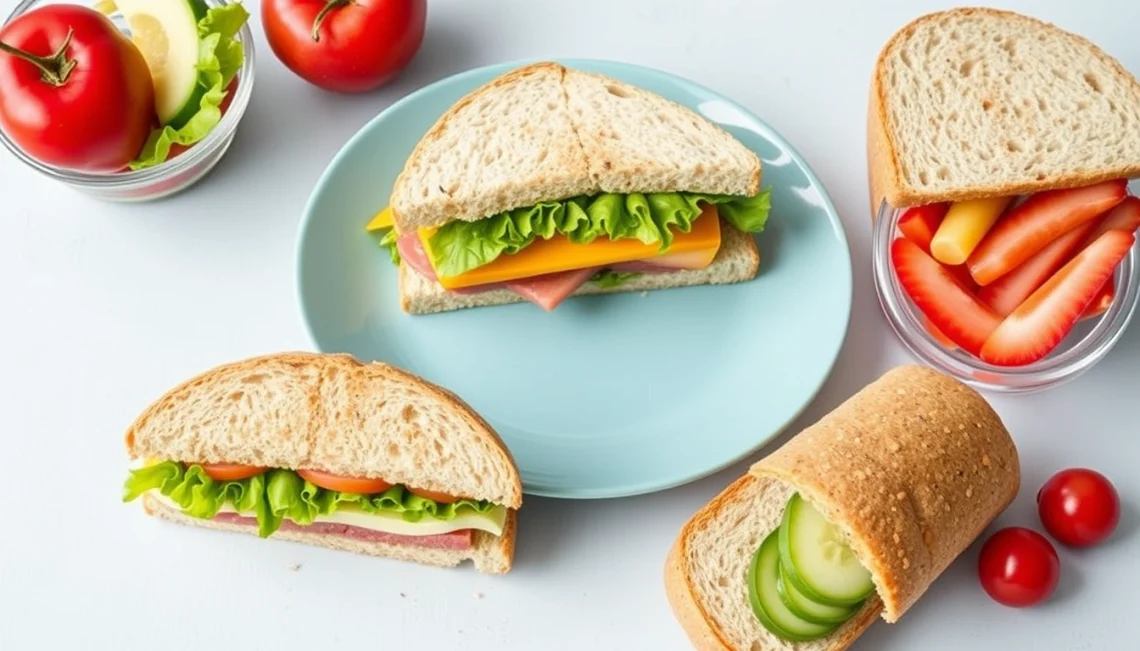
Fourth, if your child actually likes the fillings but hates the bread, try deconstructing the sandwich before you write sandwiches off completely. Turkey, cheese, pickles, and crackers may work fine. That is not a sandwich; it is a workaround.
FAQ
What can I send instead of a sandwich for school lunch?
Send a protein, a carb, fruit or vegetables, and a dip if your child likes one. Good options include cheese and crackers, pasta salad, yogurt and fruit, chicken and rice, or a thermos of leftovers.
How do I keep a non-sandwich lunch from getting soggy?
Pack wet foods separately, use small containers with tight lids, and keep crackers or chips away from fruit, dips, and sauces until lunch.
What if my child only eats a few foods?
Start with the foods they already accept and build around them. If the list is very short and staying short, ask a pediatrician or feeding therapist for guidance.
Are warm lunches okay?
They can be, if you use a safe container and the child likes the food warm or at room temperature.