Last updated: August 11, 2026
- – 2 minutes spent checking school policy can prevent a lunch from coming home untouched.
- What is the difference between “nut-free” and “school-safe”?
- Treating “nut-free” as the whole assignment is the mistake I see most.
- I would be careful with “nut-free” baked goods from random snack aisles.
A lunch that survives a backpack ride and a 11:30 a.m. school table usually isn’t fancy. It’s predictable, filling, and boring in the best possible way. When you want nut-free lunch ideas for kids that actually survive school lunch rules, I’d build around foods a child can spot quickly, eat without drama, and carry past a classroom allergy alert. The nut-free lunch ideas kids that work school lunch rules topic starts with one simple rule: keep lunch predictable, filling, and packed with foods your child will still eat at 11:30 a.m. Quick answer: 3 parts is the target I use most often.
Key facts
– 3 parts make the most practical school-safe lunch: protein, carb, and fruit or vegetable.
– 1 label check is not enough; recipes and manufacturing can change.
– 2 minutes spent checking school policy can prevent a lunch from coming home untouched.
– 4 reliable lunch formulas are often easier to repeat than 10 “fun” ideas.
– 0 guesswork is the goal when school allergy rules are strict.
I write on kid food, school lunches, and allergy-aware packing, and the real question is not just “What can I send?” It is “What will my child eat cold, what will the school allow, and what won’t come back untouched?” That is why the nut-free lunch ideas kids that work school lunch rules conversation has to balance taste, labels, and actual lunchtime use. Simple. But not simplistic.
Before the ideas, a quick reality check: school rules vary. Some schools ban peanuts and tree nuts, some ban all nuts, some also restrict seed butters, and some ask for label-specific products or no shared snack foods. I would check your school’s current guidance and, for medical questions about allergies, talk with your child’s pediatrician or allergist. For ingredient labels, the Food Allergy Research & Education label-reading guide and the U.S. FDA food allergy labeling page are both worth bookmarking.
What is the difference between “nut-free” and “school-safe”?
Treating “nut-free” as the whole assignment is the mistake I see most. It isn’t enough. A lunch can skip nuts and still fail at school because it leaks, smells strong, needs reheating, or hides an ingredient the school won’t allow.
School-safe means three things in practice. First, the ingredients fit the policy. Second, the lunch is easy for a child to open and eat without much help. Third, it still tastes good after sitting in a backpack, lunchbox, or cubby for a few hours. That’s the actual test.
So I lean toward simple combinations instead of elaborate bento-box showpieces. A turkey and cheese roll-up, fruit, crackers, and yogurt can beat a “fun” lunch with six tiny compartments that ends up half crushed. No one gets extra points for cute containers. The point is to send food your child can finish.
Some kids also hate mixed foods, and many generic articles pretend that doesn’t matter. It does. A sandwich that touches the apple slices can become a refusal. Other kids like variety but can’t juggle lots of containers. In practice, I would think about your child’s eating style, not just the ingredient list.
For strict schools, I would avoid guessing about “probably fine” ingredients. Use packages with clear labeling, check for cross-contact statements, and when in doubt, pack whole foods that do not rely on a processed sauce. That extra minute matters more than a cute presentation. Honestly, it saves headaches.
Nut-Free Lunch Ideas for Kids: The Specific Foods That Actually Work
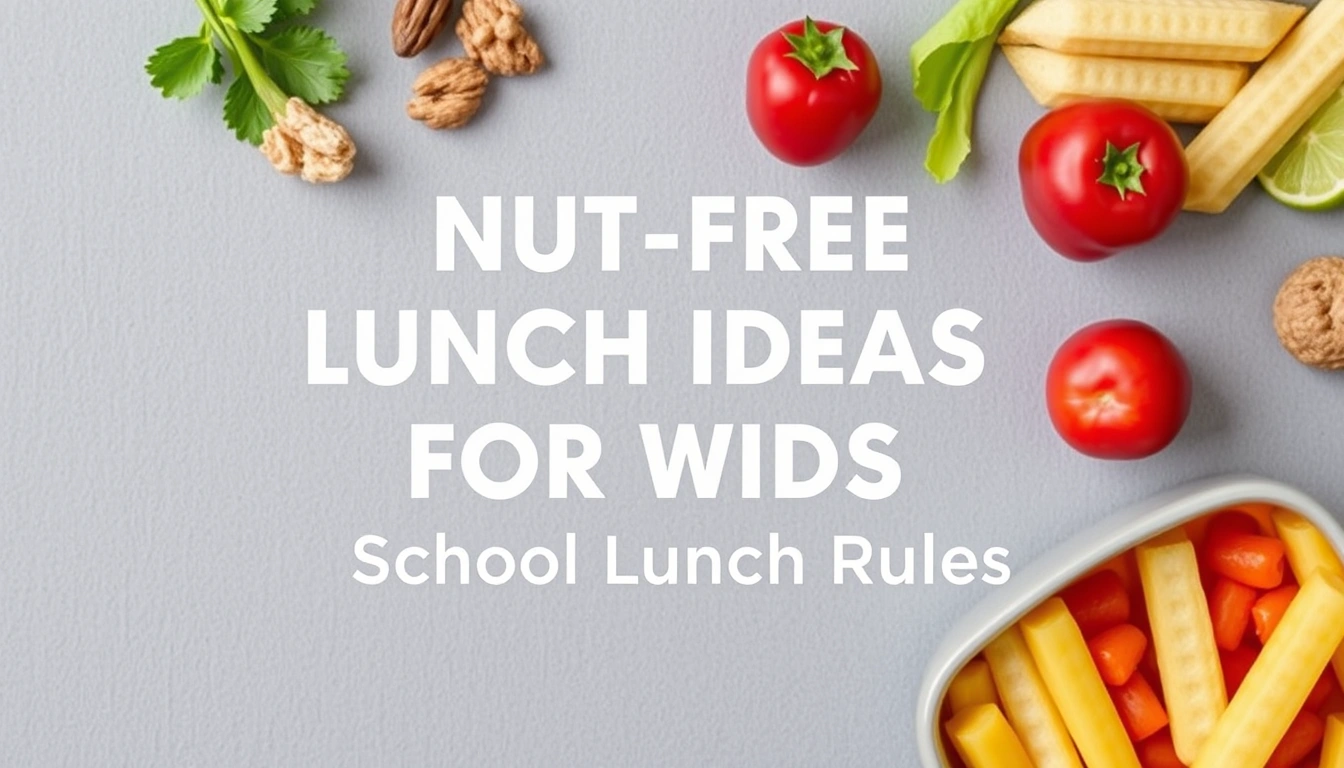
The lunches that work best for school are the ones that stay recognizable after packing and still feel complete. I’d start with these nut-free lunch ideas for kids that work school lunch rules without a lot of extra effort.
Sandwiches and wraps
– Turkey and cheese on bread
– Ham and cream cheese roll-ups
– Sunflower seed butter and jelly, if your school allows seed products
– Hummus and cucumber wrap
– Chicken salad sandwich, if your child likes it and it stays cold enough
Protein-heavy snack boxes
– Cheese cubes, crackers, grapes, and sliced turkey
– Hard-boiled eggs with pita and fruit
– Yogurt tube, pretzels, berries, and a granola alternative that is nut-free
– Cottage cheese with fruit, if your child likes colder foods
Leftover-friendly lunches
– Pasta salad with vegetables and diced chicken
– Rice bowls with chicken, cucumber, and shredded cheese
– Quesadilla wedges with salsa on the side
– Meatballs, roasted potatoes, and apple slices
Build-your-own lunches
– Tortilla, cheese, turkey, and lettuce packed separately
– Crackers, cream cheese, ham, and fruit
– Mini bagel, cream cheese, strawberries, and a protein side
These choices work for one plain reason: they give you protein, carbs, and produce without leaning on nut-based ingredients. They also travel well. A soft sandwich may get squashed, sure, but it still tastes like lunch; a delicate salad drowned in dressing can turn soggy fast. That math stops working fast.
I would be careful with “nut-free” baked goods from random snack aisles. Cookies, granola bars, muffins, and trail-mix-style foods are where nut cross-contact and school policy problems show up fast. If you use packaged snacks, read the label every time. Recipes change.
The Honest Side-by-Side
When parents ask me what to pack, the real decision is usually between DIY packed lunches and Store-bought nut-free lunch components. I do not see one as universally better. DIY wins on control and flexibility; store-bought wins on speed and consistency. Trade-off, plain and simple.
| Criteria | DIY packed lunch | Store-bought nut-free components | Winner for [condition] |
|---|---|---|---|
| Ingredient control | You control every item and can avoid nuts, shared utensils, and problem fillers. | You must trust the label and the manufacturer’s labeling practices. | DIY, for strict allergy policies |
| Speed on busy mornings | Takes more assembly and planning. | Fastest path when you need grab-and-go. | Store-bought, for rushed mornings |
| Kid acceptance | More flexible if your child has very specific preferences. | Consistent, but less customizable. | DIY, for picky eaters |
| School-rule confidence | Higher, if you start with whole foods and known ingredients. | Depends on whether the item is clearly labeled nut-free and acceptable to the school. | DIY, for strict schools |
| Cost control | Often easier to stretch leftovers and basic staples. | Can be convenient, but packaged convenience often adds cost. | DIY, for budget-conscious families |
| Waste | Can be low if you reuse leftovers and portion well. | Packaging waste is usually higher. | DIY, for lower waste |
| Lunchbox durability | Depends on what you choose; soft foods can get messy. | Usually designed to travel better. | Store-bought, for long transport |
| Variety without burnout | Best if you rotate a few core formulas. | Limited to what you can find labeled correctly. | DIY, for long-term variety |
My take is straightforward: if your school has strict allergy rules, DIY gives you the safest control. If your mornings are already overloaded, a few reliable store-bought nut-free items can save the day. The weak point of store-bought lunch components is that the label burden never goes away. The weak point of DIY is that it takes planning, and half-finished lunches can happen if you overcomplicate them. That’s the catch.
Who should use DIY nut-free lunch ideas for kids?

DIY is the better fit for the parent who wants the fewest surprises. When your school is very specific about ingredients, or your child is in a class where nut exposure is taken seriously, I would choose DIY most days. You can build lunches from foods that are naturally nut-free: fruit, cheese, eggs, meat, yogurt, rice, pasta, vegetables, bread, and tortillas.
Control is the big strength here. You pick the bread. You pick the fillings. You pick whether the lunchbox gets a cold pack. That matters because many school problems come from tiny ingredient surprises, not the main dish. A pesto pasta, a bakery muffin, or a snack bar with ambiguous labeling can turn into a headache. According to FARE and the FDA, label reading matters because ingredients and manufacturing practices can change.
The weakness? Time. DIY asks you to think ahead about what your child will eat cold, and a carefully packed lunch that comes home untouched is money and effort down the drain. I would not recommend DIY as a “make it pretty and hope” strategy. It works when you keep a short rotation of dependable lunches and repeat them. Repetition is not glamorous, but it works.
This option is best for:
– Parents managing strict school allergy rules
– Kids who will eat familiar foods without much prompting
– Families using leftovers on purpose
– Anyone who wants less dependence on packaged snacks
Who should skip it:
– Parents who need zero-prep mornings
– Kids who reject most cold lunches
– Families already stretched thin by school prep, work, and after-school schedules
My honest warning: DIY can become exhausting if you try to invent a new lunch every day. Don’t do that. Pick three sandwiches, two protein boxes, and one leftover formula, then rotate.
When do store-bought nut-free lunch components win?
Store-bought components win when time is the real enemy. When mornings are chaotic, a shelf-stable, clearly labeled set of items can keep lunch moving without a full cooking session. That does not mean relying on ultra-processed snack packs alone. It means using store-bought items as building blocks: crackers, cheese sticks, yogurt, fruit cups, shelf-stable hummus cups, pretzels, and labeled nut-free baked goods when appropriate.
Predictability is the main upside. A sealed product with a label is often easier to trust than a homemade snack you assembled while distracted. It can also reduce weekday stress. I would use this approach when the priority is consistency, not culinary variety.
The downside is less control over ingredients and more exposure to packaging, additives, and label changes. Some products that look safe one week change formula later. So every box gets checked again. Also, a lunch made only from packaged snacks can feel like a pile of snacks, not a meal. Kids may finish the chips and ignore the rest. A little lopsided. A little too easy to do.
This option is best for:
– Very early mornings
– Families who need backup lunches
– Kids who eat the same few packaged foods reliably
– Parents who want sealed items for simplicity
Who should skip it:
– Families on a tight budget
– Children who need more substantial meals
– Schools with very strict ingredient or packaging rules
My honest recommendation: use store-bought items as support, not the whole plan. A nut-free yogurt and cracker combo works much better when paired with fruit and a real protein.
Nut-Free Lunch Ideas for Kids: The best backups for real life

The best school lunch plan is the one that survives the bad morning. I always think in backup systems.
Here are the backups I would keep on hand:
– Tortillas for quick roll-ups
– Cheese sticks
– Fruit that travels well, like apples, oranges, bananas, or grapes
– Plain crackers or pretzels
– Hard-boiled eggs
– Frozen fruit that thaws by lunchtime
– Leftover pasta or rice
– Shelf-stable milk or a milk alternative, if your school allows it
– Sunflower seed butter, only if the school permits seed products
The value of backups is not variety. It is rescue. If there is no time to cook, you can still make a lunch that looks complete. A tortilla, cheese, fruit, and crackers is not exciting, but it is lunch.
I would also keep one “emergency lunch” plan in the freezer or pantry for every week. That could be a batch of quesadillas, mini muffins made without nuts, or pasta portioned into containers. The point is to stop one chaotic morning from becoming a school complaint, an expensive takeout lunch, or a skipped meal.
One limitation: backup foods need rotation. Fruit bruises. Bread dries out. Yogurt expires. If you buy backups and never use them, they become waste. So I would shop with a short list and restock only what your child actually eats.
When should you reconsider nut-free lunch ideas for kids entirely?
Sometimes the problem is not the lunch. It is the assumptions around it.
Reconsider your lunch plan if:
1. Your school has a much stricter policy than you expected. If nut-free is not enough and the school restricts shared manufacturing lines or specific seeds, you need to adjust ingredients, not just recipes.
2. Your child consistently comes home hungry. That usually means the lunch is too light, too cold, or too repetitive. A bigger protein or more familiar food may fix it.
3. Your child has trouble opening containers. Fancy bento gear can backfire if small lids are hard to manage.
4. You are relying on labels you have not checked recently. Label changes are common enough that I would not trust memory.
I would also reconsider the whole “nut-free lunch” strategy if your child is a grazer who needs multiple small eating windows. In that case, packing one main lunch may not be enough. You may need a fuller snack routine after school, subject to school rules and your child’s needs.
Our Verdict: Which One to Choose and Why
Choose DIY packed lunches if your school has strict allergy rules, your child needs familiar food, and you want the most control over ingredients. Choose store-bought nut-free components if your mornings are tight and you need fast backup lunches that are easy to assemble. Neither if your school policy is unclear and you are guessing at what counts as safe; get the rule in writing and build from that.
My clear recommendation: start with DIY as the main plan and keep store-bought items as backups. That is the most practical way to handle nut-free lunch ideas for kids that work school lunch rules without making every morning a project.