Last updated: October 22, 2026
Key Takeaways
- A no-microwave school lunch should be substantial, hold its texture for 4 to 6 hours, and taste good cold.
- For the best lunchbox foods for kids with no microwave at school, choose options that pack neatly and still feel like lunch at room temperature.
- Easy cold lunch mains include wraps, pasta salad, rice balls, and cheese-and-protein combinations, since they hold up well through the school morning.
- To make a lunch filling, pair protein, starch, and a crisp or juicy side for weight, texture, and variety.
No-microwave school lunch works best when the food is meant to be eaten cold or at room temperature, holds its shape for several hours, and still tastes like lunch instead of leftovers. That means choosing foods with enough protein, fat, and texture to stay satisfying without reheating. For a practical baseline on food safety, the USDA Food Safety and Inspection Service and FoodKeeper are useful references for storage and handling.
A good no-microwave lunch is not just “anything cold.” It is food that stays pleasant after a morning in the lunchbox, does not turn gluey or limp, and does not require a child to negotiate a steam-trap container in a cafeteria line. That usually points to pasta salad, wraps, rice balls, cheese, fruit, muffins, and sturdy snack-box combinations. For parents comparing ideas, the best lunchbox foods for kids with no microwave at school are the ones that work with the school day, not against it.
What makes a no-microwave school lunch actually work
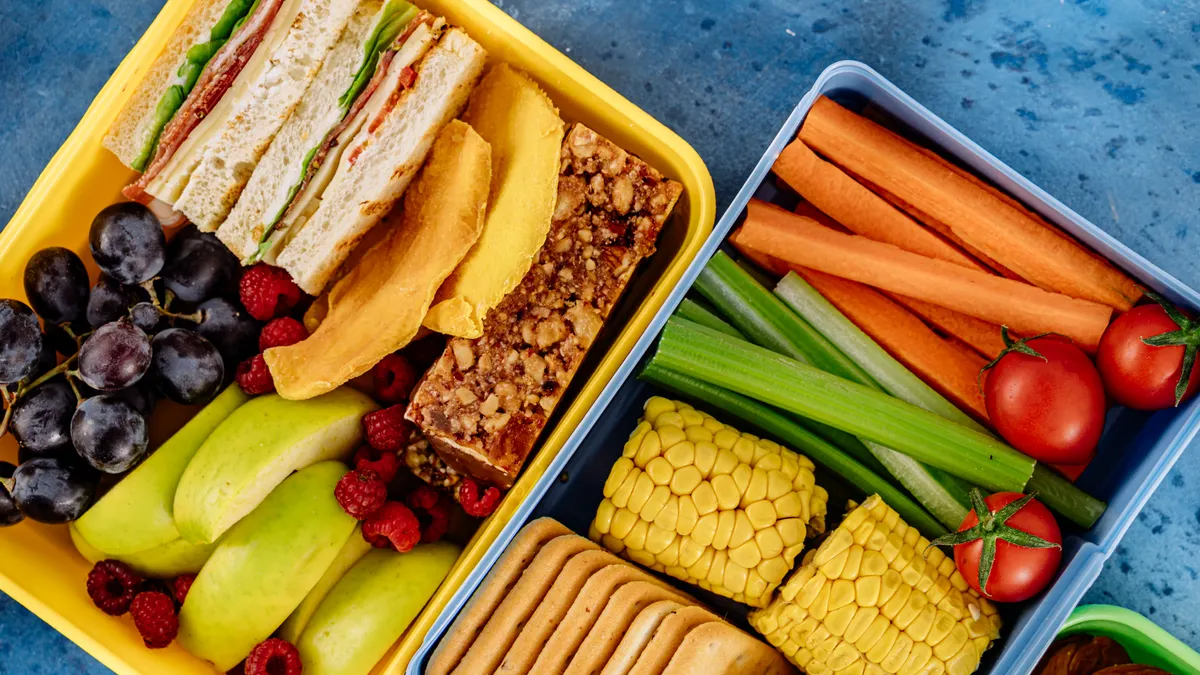
A good no-microwave school lunch has three things: enough substance, a texture that survives 4 to 6 hours, and flavors that taste fine cold. That is the whole game.
The mistake many parents make is packing dinner food and hoping temperature will cooperate. Some foods are excellent hot but dull or greasy when cold. Others, like many pasta salads and wraps, are designed for room temperature from the start. A child does not need a hot lunch to eat well, but the lunch does need to feel complete by 11:30 a.m. or 1 p.m., depending on the school day.
Here is the practical filter I use for no-microwave school lunch planning:
- Start with a cold-friendly main. Use a wrap, pasta salad, rice ball, cheese-based sandwich, or grain bowl with ingredients that do not collapse when chilled for a few hours.
- Add one protein anchor. Eggs, chicken, turkey, beans, hummus, cheese, or yogurt-based fillings keep lunch from becoming a snack plate.
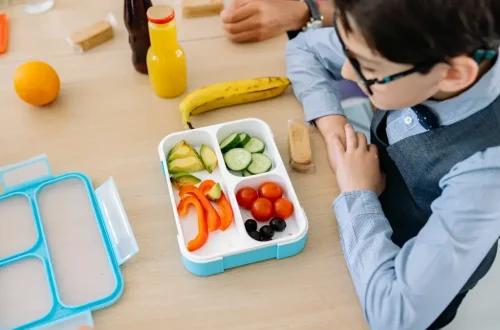
- Choose one fruit or vegetable with a clean bite. Grapes, apple slices, cucumber coins, berries, snap peas, or orange segments hold up well and keep the lunch fresh.
- Include one starch that stays firm. Bread, pita, crackers, rice, or a muffin gives the meal enough structure.
- Keep wet ingredients contained until eating time. Sauces, dressings, and juicy toppings should be packed so they do not soak through bread or noodles.
That structure matters more than novelty. A lunchbox full of random “kid foods” can still leave a child hungry if every item is light and airy. A wrap with cheese and turkey, a handful of fruit, and a muffin will usually satisfy longer than a box of pretzels, crackers, and a granola bar.
For food safety and freshness basics, the USDA’s food safety guidance is worth keeping nearby, and the hub on lunchbox safety and freshness for kids is the right place to start if you want the bigger picture.
The best lunchbox foods for kids with no microwave at school
The best lunchbox foods for kids with no microwave at school are the ones that stay tasty cold, pack neatly, and still feel like a real meal at room temperature.
I would put these at the top of the list because they solve the actual lunchroom problem instead of fighting it:
- Wraps: Turkey and cheese, hummus and cucumber, chicken salad, or cream cheese with sliced vegetables. A 10-inch tortilla usually holds together better than a softer bread slice. The drawback is sogginess if the filling is too wet, so wraps are not for drenched tuna salad or over-sauced chicken.
- Pasta salad: Short pasta shapes such as rotini, fusilli, or penne keep their bite better than long noodles. Pasta salad works especially well with cheese cubes, peas, diced chicken, chickpeas, or chopped vegetables. The downside is that oily or mayo-heavy versions can feel heavy by lunchtime, so lighter fillings may suit some kids better.
- Rice balls: Onigiri-style rice balls or compact rice portions work well because they are tidy and filling. They are best for kids who like plain, savory flavors and do not mind a denser lunch. The trade-off is that some children find them dry unless there is a dipping sauce or a moist filling inside.
- Cheese-based lunches: Cheese cubes, string cheese, cheese quesadillas eaten cold, or a cheese-and-cracker box are easy wins. Cheese adds protein and fat with almost no assembly. The drawback is that cheese alone is not enough for a full lunch, so it needs fruit, bread, or another protein.
- Muffins with substance: Savory egg muffins or less-sweet vegetable muffins can work as part of lunch, not just as a snack. A muffin is not a complete meal by itself unless paired with cheese, fruit, or yogurt. Sweet bakery-style muffins can leave a child hungry fast.
- Fruit that travels well: Apple slices with a little lemon juice, grapes, berries, mandarin segments, and melon cubes bring freshness and make the lunch more appealing. Fruit is not a main dish, but it helps a cold lunch feel complete and gives kids something familiar to finish.
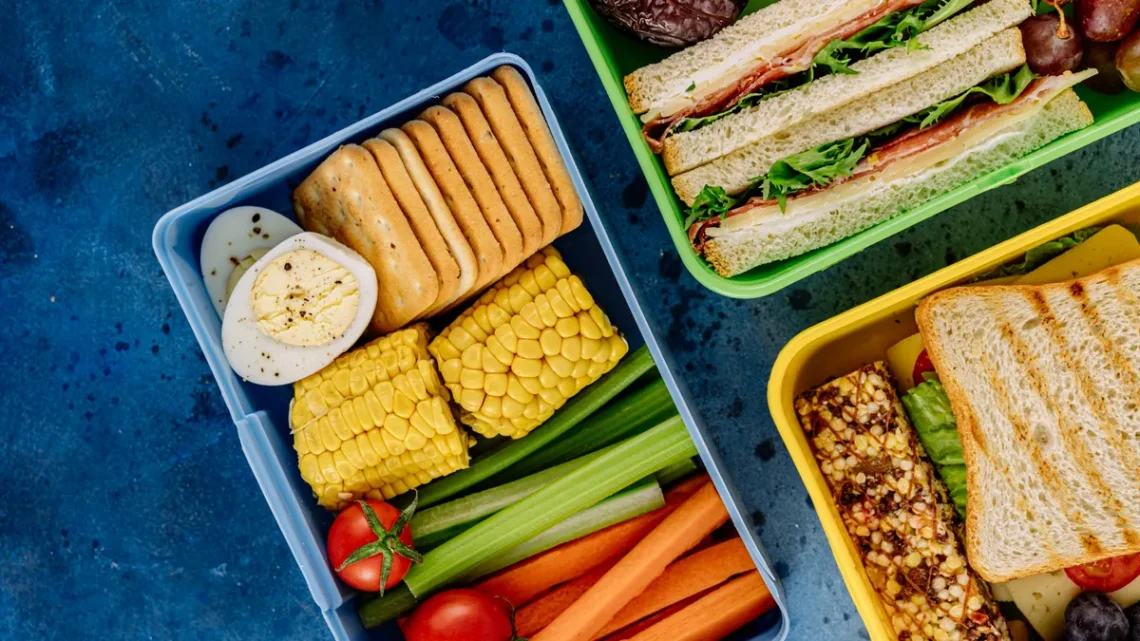
- Snack-box combinations: Crackers, cheese, fruit, veggies, hummus, and a hard-boiled egg create a lunch that feels flexible and low-pressure. For picky eaters, this can be a gentle option, though it works best when the protein portion is generous.
The best choice depends on the child, not on the label “healthy.” A kid who hates mixed textures may do better with a plain turkey wrap, cheese stick, apple, and muffin. A child who likes variety may prefer pasta salad with peas, grapes, and crackers. The lunch succeeds when the child eats most of it without bargaining.
What are the easiest cold lunch mains for kids?
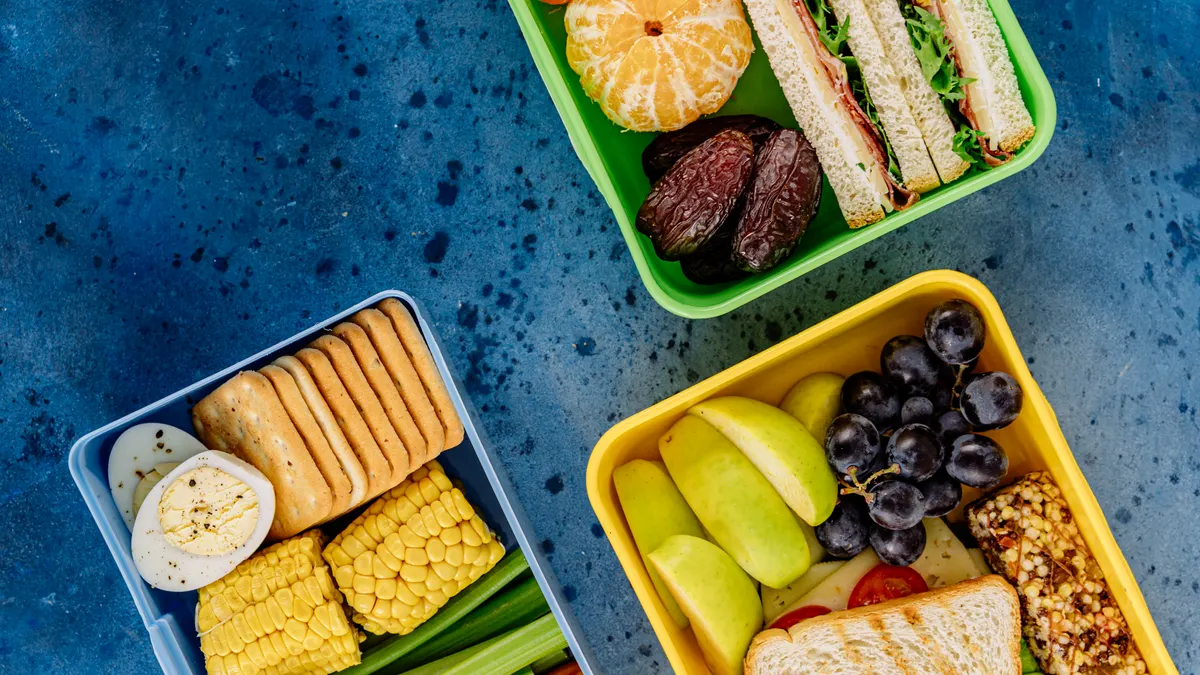
The easiest cold lunch mains for kids are wraps, pasta salad, rice balls, and cheese-and-protein combinations because they need little reheating logic and hold up for a normal school morning.
A good main for a cold school lunch should meet one simple standard: it must still taste intentional after 3 to 5 hours in a lunchbox. That rules out many leftovers. It also rules out foods that depend on steam, crispness from the oven, or a hot sauce finish. Because of that, the best lunchbox foods for kids with no microwave at school are usually the ones that are built for cold eating from the start.
The most reliable mains are:
- Turkey, chicken, or cheese wraps
- Cold pasta salad with a protein
- Rice balls or compact rice portions with filling
- Cheese, crackers, and a protein like turkey slices or a boiled egg
- Mini sandwiches made with sturdy bread
- Savory muffins paired with a second protein
The first sentence of each lunch plan should be: “Will my child still want this cold?” If the answer is yes, you are on the right track.
A simple no-microwave school lunch formula looks like this: one main, one fruit, one crunchy side, one small sweet or extra protein. For example, a wrap plus grapes plus cucumber slices plus a muffin. Or pasta salad plus apple slices plus cheese cubes plus crackers. The exact mix matters less than the balance.
One thing I would not recommend as a main is a large portion of plain bread with weak filling. A sandwich with watery tomatoes, flimsy lettuce, and a thin spread often turns limp by midday. That lunch is not bad on paper, but it is poor cold lunch engineering. If you want a sandwich, use thicker fillings, less watery produce, and bread that can stand up to moisture for several hours.
For parents looking at official food safety basics, the USDA FoodKeeper site is a useful reference for storage times and handling guidance. That does not tell you what a child will like, but it does help avoid guesswork.
How do I build a lunch that stays filling without reheating?
You build a filling no-microwave lunch by pairing protein, starch, and a crisp or juicy side so the meal has weight, texture, and enough variety to feel complete.
This is the core method I would use for most school days:
- Pick the main protein first. Choose one item such as turkey, chicken, cheese, hummus, beans, egg, or yogurt-based filling. This gives the lunch staying power.
- Add a sturdy starch. Use a wrap, bread, pita, rice, pasta, crackers, or a muffin. This keeps the meal from becoming all side dishes.
- Include one fresh item. Fruit or cut vegetables add interest and help the lunch feel less repetitive.
- Use one texture contrast. If the main is soft, add crunch. If the main is dry, add a creamy element. A wrap plus cucumber works. Pasta salad plus apple slices works. Cheese plus crackers works.
- Keep portions child-sized but not tiny. A lunch that looks “healthy” but is too small often comes home half-eaten and empty of satisfaction.
- Avoid stacking too many cold, soft foods together. Three soft items in one box can feel mushy by noon.
- Think in combinations, not recipes. A successful lunchbox is often just 4 or 5 well-matched pieces.
The trade-off here is obvious: the more elaborate the lunch, the more likely it is to become fussy. A five-part lunch can look impressive and still be annoying to eat. I would rather see a simple wrap, fruit, cheese, and crackers than a crowded box with too many dips, too many compartments, and too many chances for a child to ignore the food.
A useful benchmark is whether the lunch can be eaten in about 15 to 20 minutes without reheating, special utensils, or cleanup drama. That is the real standard in most school cafeterias. If a child needs a fork, a spoon, a napkin mountain, and five steps to assemble one bite, the lunch is too complicated.
Pasta salad, wraps, muffins, and rice balls: when each one wins
Pasta salad wins when the child likes chilled food and you want a lunch that can be made ahead by the bowlful. It is especially good for kids who do not mind pasta at room temperature and who can handle a fork well. The downside is that some pasta salads get dense or greasy if overloaded with dressing, cheese, and meat. Keep the dressing light and the ingredients simple if you want the flavors to stay clean.
Wraps win when lunch needs to be neat and portable. They are one of the easiest no-microwave school lunch mains because they feel complete without heat. I would choose wraps for kids who like handheld food and dislike mixed fork salads. The drawback is that wraps can tear or get soggy if packed with too much sauce, so they are not ideal for very wet fillings.
Muffins win as part of lunch when a child wants something familiar, soft, and easy to finish. Savory egg muffins are more useful than sweet bakery muffins because they bring protein to the meal. A muffin alone is not enough for most school lunches, and that is the main limitation. It works best as a side or backup, not the whole plan.
Rice balls win for children who like simple, savory food and do not want a messy lunch. They pack tightly and can be eaten with hands, which is useful in busy lunchrooms. The drawback is that rice can feel plain or dry without a flavorful filling. Rice balls are best for children who already like that style of food, not for kids who want strong sauces.
Cheese wins almost everywhere because it is easy, filling, and familiar. String cheese, cubes, slices, or cheese with crackers can anchor a lunch in under 2 minutes of assembly. The limitation is obvious: cheese is not a full lunch on its own. It needs fruit, bread, crackers, or another protein to keep the meal balanced.
Fruit wins as the bright spot in almost every lunchbox. It makes the meal more inviting and gives children something fresh to reach for first. The drawback is that fruit is not filling enough to stand alone, so it should support the main, not replace it.
Common mistakes that make a cold lunch fail by noon
The most common mistake is packing food that only works hot, because it tastes flat, greasy, or mushy cold.
A few other lunchbox mistakes show up again and again:
- Too much sauce. A sauce-heavy wrap or pasta salad can turn soft by lunch. Use enough to flavor the food, not enough to flood it.
- Only snack foods. Pretzels, chips, and crackers without protein look like lunch but do not eat like lunch. The child is hungry again fast.
- Wet and dry items mixed too early. A juicy tomato or dressing can ruin bread and crackers if it sits for hours. Keep the wet ingredient from touching the dry one until eating time if possible.
- Trying a new idea on a busy morning. The first day of a complicated lunch is the wrong day to discover your child hates olives, bean salad, or rice balls.
- Making the box too fancy for the child. Some children want simple, familiar food. A bento-style lunch with six tiny items can be more work than it is worth.
- Ignoring temperature reality. Foods that are normally refrigerated or that soften quickly need careful handling. If the lunch is meant to sit from 8 a.m. to noon, it should be chosen with that stretch in mind.
What these mistakes cost is not just texture. They cost calories, time, and trust. A child who opens a limp wrap or sad pasta salad may stop trusting packed lunch altogether. That is a bigger problem than one bad meal.
The fix is boring, which is usually a good sign: choose a cold-friendly main, keep sauces modest, and repeat what works. School lunch is one of the few parts of the day that benefits from repetition. If a turkey wrap works three times a month, that is a win.
The lunchbox combinations I would choose first
The best starting point is a lunch that combines one cold-friendly main, one fruit, one crunchy side, and one dependable extra.
If I had to narrow the field to the safest, most broadly useful options for a no-microwave school lunch, I would start here:
- Turkey and cheese wrap, grapes, crackers, carrot sticks
- Pasta salad with chicken, apple slices, cucumber, and a muffin
- Rice ball with cheese cubes, berries, and snap peas
- Cheese and cracker box with a hard-boiled egg, fruit, and a small sweet muffin
Drafted with AI; not yet reviewed by a person.