Last updated: October 20, 2026
Key Takeaways
- An after-school lunchbox should bridge pickup and the next activity without getting soggy, warm, or unsafe.
- Match the food to the delay, the container to the food, and the cooler to the ride.
- The best foods for this window hold their shape, stay sealed, and do not need perfect temperature control.
- Keep the lunchbox closed, shaded, and out of the warm car as much as possible.
How to Pack an After-School Lunchbox Without Spoiling works best when the food still tastes safe and decent 2 to 4 hours later, even after a car ride, practice bag, and waiting on a bench. The trick is not packing “a lunch” in the usual sense; it is packing a second eating window with the right container, the right temperature, and the right mix of foods.
What an after-school lunchbox needs to do
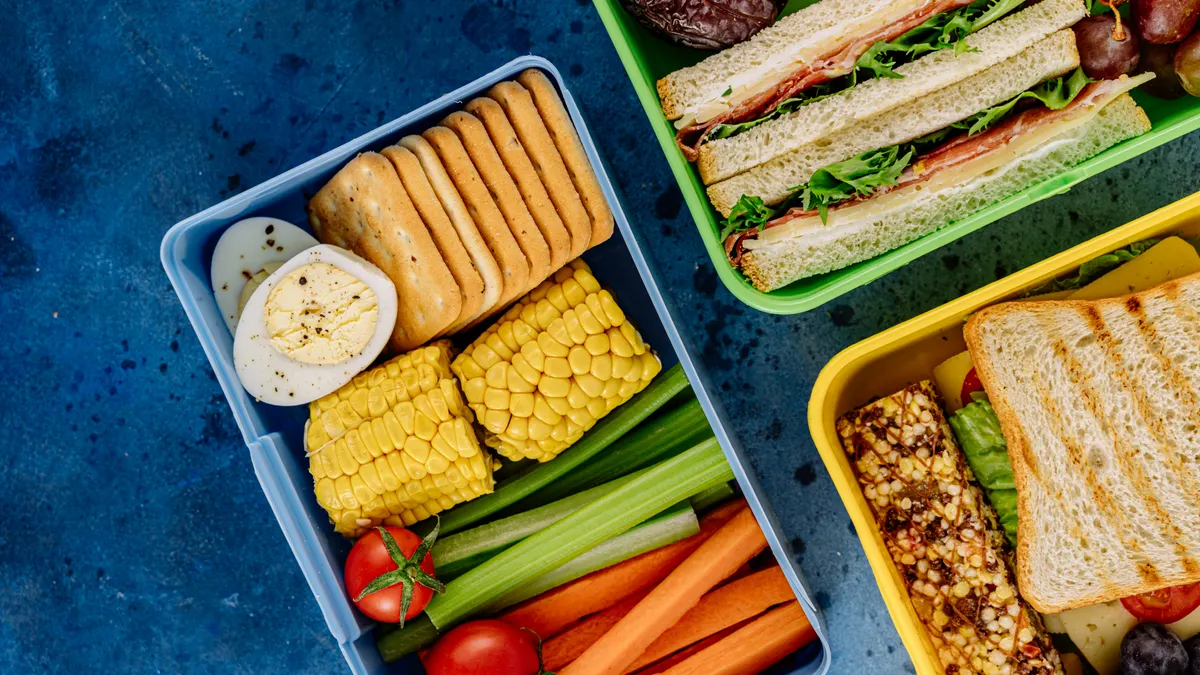
An after-school lunchbox needs to bridge the gap between school pickup and the next activity without turning soggy, warm, or unsafe. That usually means holding food for about 2 to 4 hours, sometimes longer if there is travel time or a late practice slot. The box has to survive a bag, a car seat, a locker, or the sideline, so the packing plan matters more than the recipe.
The same lunchbox does not need to do the same job as a school lunch. School lunch is usually eaten earlier and often under more controlled conditions. This one has to sit through a transition: the end of the school day, a ride home, then sport, music, tutoring, or a sibling’s practice. That shift changes the choice of food, container, and cooling method.
I would not use this method for a child who will not eat until 5 or 6 hours later unless there is reliable refrigeration or a fully chilled thermos plan. It also is not the right setup for foods that only taste good piping hot or food that must stay cold for a long stretch in hot weather without a cooler. For safe packing guidance, see the USDA Food Safety and Inspection Service and CDC food safety advice.
The piece that helps most readers is timing. If the food is meant to be eaten after school, I pack for that exact window and nothing more. That is why the guide to lunchbox timing and freshness matters here: it keeps the focus on when food will be eaten, not just what looks convenient in the morning. For a related packing routine, see How to Pack a Lunchbox and School Lunch Ideas.
How do I pack an after-school lunchbox step by step?
Pack it by matching the food to the delay, the container to the food, and the cooler to the ride.
-
Start with the eating window.
Decide when the lunchbox will be opened: right after pickup, after a 20-minute drive, or before practice starts. If the food will sit more than about 2 hours, plan for cold storage or a hot thermos, not a loose lunchbox alone. The result you want is a menu built around the clock, not around habit. -
Choose one main item and one or two backup snacks.
Put in a main portion plus a snack box or a small second container. A sandwich, wrap, pasta cup, or thermos meal can be the anchor; fruit, crackers, cheese, or a bar can fill the gap if the schedule runs long. This prevents the classic problem of a child finishing the “lunch” before the activity starts and then arriving hungry again. Check with a pediatrician or dietitian if your child has specific nutrition needs. -
Use the right container for the temperature job.
Pack cold food in a reusable container that closes tightly, and put hot food in a thermos that holds heat by design. A lunchbox alone is storage, not temperature control. A sealed thermos with a wide mouth works best for soups, chili, or noodles because it keeps the food in one vessel until serving time. For thermos safety, follow USDA guidance on keeping food hot or cold. -
Add a cool pack where it can do real work.
Place a cool pack next to items that need to stay cold, not on top of dry snacks that do not care. For a shorter window, one standard cool pack inside an insulated lunchbox may be enough. For a longer ride or a warm day, use more than one cold source or move the whole meal into an insulated bag. -
Keep wet and dry foods separate.
Put dips, dressings, sliced fruit, and crunchy items in separate compartments or small containers. A carrot stick next to a wet wrap will be soft by the time practice ends. The result is better texture and less food waste. -
Pack eating gear last and place it on top.
Napkin, spoon, fork, and a water bottle belong where they can be grabbed fast. If the meal opens cleanly, a child is more likely to eat it before practice starts. If the first thing they meet is a pile of loose containers, they are less likely to finish the food at all.
What foods actually work for the second eating window?
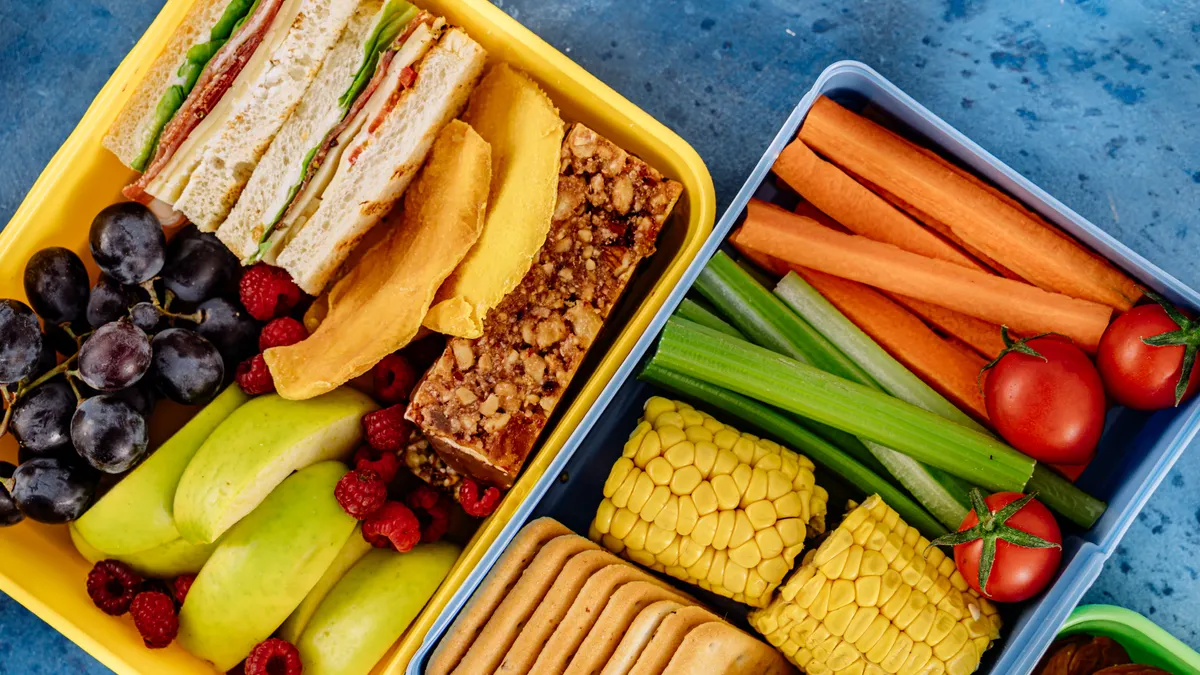
Foods that stay good at a pause in the day are the ones that do not fall apart, leak, or demand perfect temperature control. That usually means sturdy starches, sealed proteins, and snack foods that keep their shape for 2 to 4 hours.
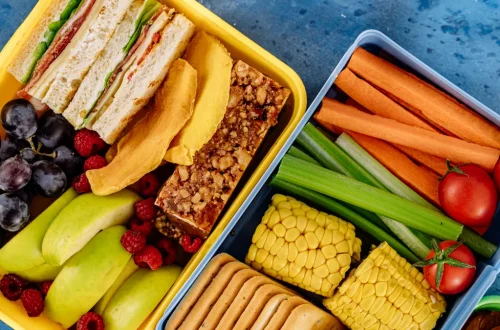
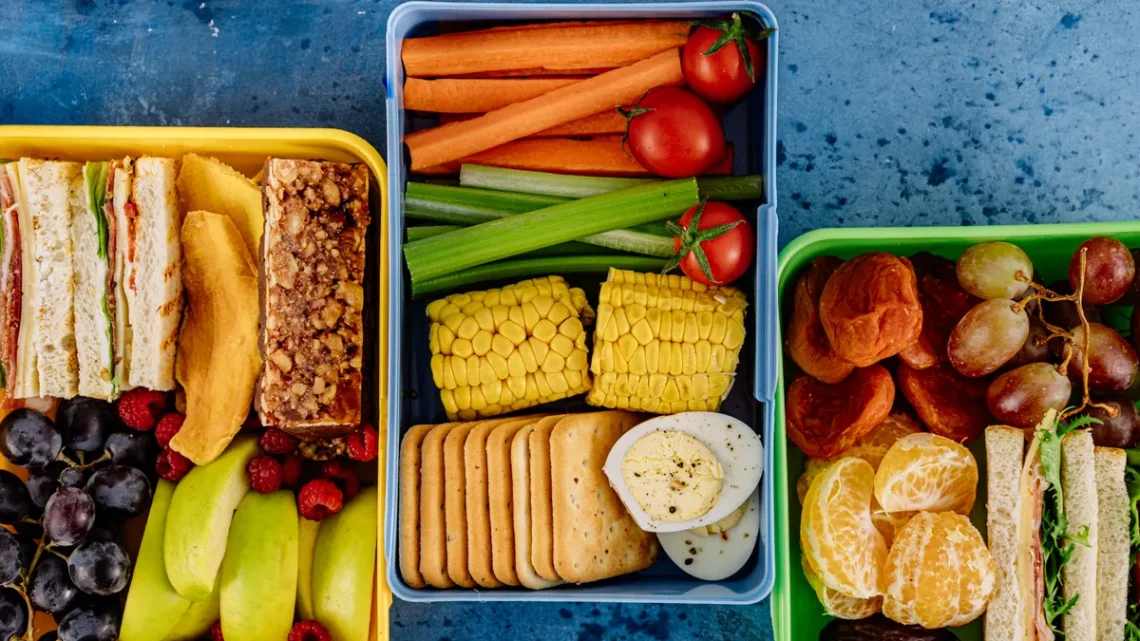
Good choices include a wrap cut in half, a cheese-and-cracker box, a thermos of soup, a pasta salad in a sealed reusable container, a hard-boiled egg with a cold pack, or a snack box with fruit, pretzels, and hummus in a separate cup. These foods tolerate a little movement and still feel like a real meal.
Foods that create problems are the ones that turn fast: mayonnaise-heavy fillings in a warm bag, crisp lettuce layered into a wet sandwich, cut fruit with no container, or anything that needs to be ice-cold from first bite to last. A generic “healthy lunchbox” article often stops there, but the after-school problem is different. The issue is not lunch quality in the abstract; it is whether the food still works after a school day plus transit.
For sports practice, I prefer food that can be eaten in 10 minutes or less. A kid who has 15 minutes between school and warm-up needs a snack box more than a full plated meal. That means portable calories, a few bites of protein, and very little mess. A granola bar alone is often too thin; a bar plus fruit plus cheese or yogurt is steadier.
If the child eats later at home, keep the after-school lunchbox smaller. A big lunchbox packed like a dinner spread often comes back half full. That wastes food and encourages grazing in the car, which is exactly when spills happen.
How to keep the lunchbox safe during car rides and waiting time
Keep the lunchbox closed, shaded, and out of the warm car as much as possible.
Car rides are the weakest link in after-school packing because the food moves from a cool classroom environment to a potentially hot vehicle, then back out again. A lunchbox left in a parked car is a bad plan; the interior temperature can rise fast on warm days. Even on mild days, the bag can warm up on the seat if it sits there for 20 to 30 minutes.
Put the lunchbox in the shade, on the floor, or in an insulated cooler bag if there will be a delay. If the child has a long wait before practice, keep the meal inside the lunchbox until the moment they are ready to eat. Opening and closing the box twice in the parking lot lets warm air in and cold air out.
A thermos changes the equation. Hot food that is packed into a preheated thermos stays more stable than hot food wrapped in foil or held in a regular container. The same goes for cold items in an insulated lunchbox with a cool pack: the container is doing part of the work. But no container can rescue food that sat warm for too long before packing, so the food must start cold or hot, not room temperature.
The honest limitation: this method is not for long, hot afternoons with no cooler and no way to eat until much later. In that case, the lunchbox is the wrong tool, and a full cooler with ice packs or a different meal plan is the better choice. For detailed food safety basics, the FDA and USDA both recommend limiting time in the temperature danger zone.
What usually goes wrong, and how do I fix it?
The most common mistake is packing a lunchbox that is too heavy on the wrong kind of food. A soft sandwich, a sauce-heavy wrap, and cut melon in the same compartment can still be fine at home and still be a mess 3 hours later. The cost is wasted food and a child who does not want to eat it. The fix is to separate wet items and choose sturdier fillings.
The second mistake is using the lunchbox as if it were a cooler. A lunchbox by itself is storage, not temperature control. If the meal has dairy, meat, eggs, or other perishable items and there will be a long gap, the cost is safety and quality. The fix is a cool pack, an insulated bag, or a thermos, depending on the food.
The third mistake is overpacking. A lunchbox stuffed to the zipper often crushes fruit, smears spreads, and makes it hard to find the spoon. The result is an unappealing mess when the child finally opens it. The fix is to leave a little room for the cool pack and to use a snack box rather than forcing everything into one container.
The fourth mistake is packing for the ideal schedule instead of the real one. A child who usually goes straight to practice may still have a delayed pickup once or twice a week. If the food cannot tolerate that extra 45 minutes, it is the wrong menu for that day. A small margin of safety matters more than clever presentation.
When should I use a thermos, snack box, or reusable container?
Use a thermos for food that should arrive hot, a snack box for short-gap eating, and a reusable container for anything that needs separation or a tight seal. That simple rule fits most after-school schedules.
A thermos is best for soup, chili, pasta with sauce, or rice-based meals. It makes sense when the child will eat away from home and wants a warm meal rather than a cold snack. A good thermos also reduces the need for extra packaging because the food stays in one vessel.
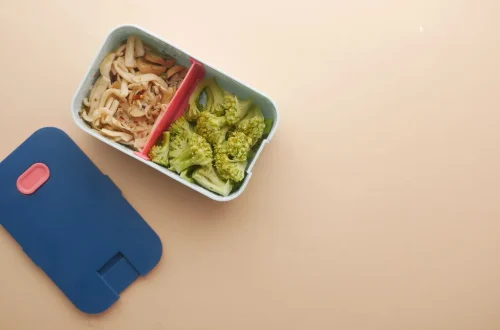
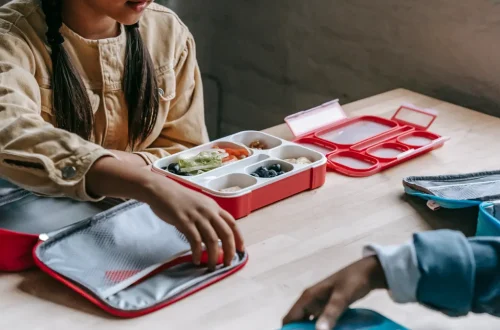
A snack box works best when the child has 10 to 20 minutes between school and activity. It should hold quick foods that do not need reheating: fruit, pretzels, cheese, crackers, trail mix if allowed, or a sandwich half. If the child has only a few minutes, smaller compartments help them finish part of the food without digging through a large lunch.
A reusable container is the default for everything else. It keeps dips, yogurt, pasta, and chopped fruit from leaking into the lunchbox. It also helps portion control, which matters when the goal is a usable after-school meal and not a full packed lunch for the next day.
A good rule: if the food would be annoying to clean out of a bag, it belongs in a sealed reusable container. If the food is hot, it belongs in a thermos. If it is just a bridge until the next stop, it belongs in a snack box.
A simple packing routine that holds up on busy days
The easiest routine is to pack the lunchbox the night before with the container, cool pack, and eating tools already set out. That saves 5 to 10 rushed minutes in the morning and reduces the odds of forgetting the spoon or putting the cold item on the wrong side.
I would keep a small shelf or bin with the basics: lunchbox, cool pack, reusable container, snack box, and thermos. That makes the system repeatable. When the schedule changes, only the food changes, not the whole setup.
This routine is also where it pays to think in categories, not recipes. One main item, one cooler or thermos choice, and one backup snack cover most after-school days. If the activity ends up running late, the backup snack is there. If the child is hungrier than expected, the main item is still intact.
A final habit that helps is checking the bag before it leaves the house. If the lunchbox is destined for the car, the bag should be fully closed, the lid seated, and the cool pack still cold to the touch. That quick check takes less than a minute and prevents the most common errors. If you are unsure about temperature control, consult a food safety professional or follow USDA guidance.
How long can lunch sit in a bag before eating?
A lunch can sit in a bag for a short stretch, but after-school food should be packed for the exact delay rather than assumed safe for the whole afternoon. If the food is perishable, a cool pack or thermos matters once the delay gets beyond roughly 2 hours. For a longer wait, use insulated storage and do not leave it warm in a car.
What should I pack for sports practice after school?
Pack something that can be eaten quickly and does not crumble apart. A snack box with fruit, crackers, cheese, or a half sandwich usually works better than a full meal. If practice starts soon after pickup, keep portions small and easy to open so the child can eat in 10 to 15 minutes without making a mess.
Can lunch stay safe in the car?
Only for a short time, and not if the car is hot. A lunchbox sitting in a parked vehicle is a poor storage spot because the temperature can rise quickly. If the food has to ride in the car, keep it in an insulated bag with a cool pack or in a thermos, and move it out of the car as soon as possible.
Drafted with AI; not yet reviewed by a person.