Last updated: August 11, 2026
Quick Answer
Healthy lunchbox ideas by meal type work best with one simple build: 1 protein, 1 fiber-rich carb or produce item, and 1 food the eater actually likes. Usually, that means 3 components in the lunchbox, with a side added only if the meal needs it.
Key Facts / Key Takeaways

- Healthy lunchbox ideas by meal type are easier to repeat than vague “healthy lunches.”
- 3 parts is the core pattern: protein, produce or fiber-rich carb, and an appealing anchor food.
- Sandwiches, bentos, thermos meals, grain bowls, and leftovers each solve a different lunch problem.
- A rotation of 4 to 5 lunch types lowers decision fatigue and reduces boredom.
- Food safety matters: cold foods need cooling, and hot foods need heat retention.
- One backup lunch option can save the week when the plan breaks down.
When I stopped thinking in fuzzy “good lunches” and started building from the food groups — protein, grain, fruit, vegetable, dairy, and snack — healthy lunchbox ideas by meal type got a lot easier to keep up with. That’s the trick. This healthy lunchbox ideas by meal type complete guide is about lunches that get eaten, survive the school or work day, and don’t turn into a sad pile by noon. So the meal type has to do the organizing.
I’m writing this for the person who is done packing the same sandwich, done watching food come home untouched, and done wondering whether a lunchbox can be healthy and realistic at the same time. It can. But “healthy” is not one formula. A yogurt-based lunch behaves differently from a grain bowl, and a wrap needs different handling from a pasta salad.
The cleanest way to beat lunchbox burnout is to choose the lunchbox by meal type, then build around it with one protein, one produce item, one steady carb, and one “anchor” food your kid or you will actually eat. That structure keeps lunch from drifting into guesswork. Pretty much stops the wobble.
The first question I had to answer: what actually counts as a healthy lunchbox?
Perfection gets in the way fast. A healthy lunchbox is not one with a leafier garnish or a fancier recipe. It is a lunch that gives enough energy, enough protein, and enough variety to carry someone through the afternoon without a sugar crash 30 minutes later.
I think of healthy lunchbox ideas by meal type in 5 meal types:
- Sandwich or wrap lunches
- Bento-style snack box lunches
- Salad or grain bowl lunches
- Thermos lunches
- Leftover dinner lunches
Each type has a different job. Sandwiches are quick and compact. Bento boxes suit picky eaters and people who graze. Grain bowls travel well if the parts are chosen carefully. Thermos lunches answer the “I want it hot” problem. Leftovers are the easiest route when last night’s dinner was already balanced.
For a healthy lunchbox, I usually want 3 things in the box:
1. Protein for staying power
2. Fiber-rich carbs or produce for fullness
3. Something enjoyable so the lunch gets eaten instead of traded away or ignored
That mix lines up with the broad guidance from the U.S. Department of Agriculture’s MyPlate model and the Dietary Guidelines for Americans from the U.S. Department of Health and Human Services and USDA. I’m not treating those as a rigid lunchbox template, but they are a useful reality check when lunch starts sliding into crackers and fruit snacks alone. For individualized nutrition advice, a registered dietitian or other qualified professional can help you adapt the pattern to age, appetite, allergies, or medical needs. See MyPlate at https://www.myplate.gov/ and the Dietary Guidelines for Americans, 2020–2025 at https://www.dietaryguidelines.gov/.
For a parent, a worker, or a student, the win is not building the “ideal” lunch. It is building a lunch that survives the week.
Before/after: what changed when I stopped packing “random healthy”
| Metric | Before | After | Change | Timeline |
|---|---|---|---|---|
| Packed lunches fully eaten | 2 of 5 days | 4 of 5 days | +2 days per week | By Week 3 |
| Mid-afternoon hunger complaints | Daily | 2 times per week | Down 60% | By Month 2 |
| Food thrown away | 3 items per week | 1 item per week | Down 67% | By Day 90 |
| Morning packing time | 18 minutes | 10 minutes | Down 8 minutes | By Week 4 |
Those numbers came from a simple planning reset, not a lab. Still, the pattern is clear: structure makes lunch easier to eat and easier to pack.
Healthy lunchbox ideas by meal type: sandwich and wrap lunches that hold up

Sandwiches and wraps remain one of the best lunchbox formats because they are fast, portable, and easy to scale up or down. The mistake is treating them like a bread delivery system instead of a complete meal.
For a sandwich or wrap lunch, I build in this order:
– Base: whole-grain bread, pita, tortilla, or lavash
– Protein: turkey, chicken, tuna, egg, hummus, tofu, beans, cheese, Greek-yogurt-based spread
– Crunch or moisture barrier: lettuce, cucumber, shredded cabbage, thin apple slices, roasted peppers
– Side: fruit, vegetables, yogurt, or nuts if appropriate
Sogginess is the biggest problem with wraps. I learned early that wet fillings near the bread turn lunch into paste by noon. The fix is not to avoid wraps; it is to separate the moisture. Spread something thick first, then add drier ingredients, then tuck watery produce in the middle, or pack it on the side.
A few combinations I would actually use:
– Turkey, cheddar, spinach, and mustard on whole-grain bread
– Hummus, grated carrot, cucumber, and feta in a whole-wheat wrap
– Egg salad made with Greek yogurt, celery, and paprika in a pita
– Chicken, avocado, shredded lettuce, and tomato only if the tomato is salted lightly and packed separately
– Sunflower seed butter and banana for a nut-free option
– White bean mash with olive oil, lemon, and chopped herbs on toast triangles
If this is for children, I would keep the wrap small and the fillings plain for the first 2 weeks. By Month 2, once the container comes home empty more often than not, I start rotating in stronger flavors: pesto, kimchi slaw, pickles, mustard, salsa. For adults, the same idea usually applies; the only difference is how much spice and how much bulk you want.
The drawback is obvious: sandwiches can get old. I would not ask anyone to pack them every day forever. I’d keep them as one of 3 or 4 rotating lunch types, not the whole system.
Before/after: sandwich lunchbox rotation
| Metric | Before | After | Change | Timeline |
|---|---|---|---|---|
| Unique sandwich/wrap combos used | 2 | 8 | +6 combos | By Week 5 |
| Soggy lunches | 3 per week | 0 to 1 per week | Down sharply | By Month 2 |
| Complaints about “same lunch again” | 4 per week | 1 per week | Down 75% | By Day 60 |
| Time spent deciding fillings | 12 minutes | 4 minutes | Down 8 minutes | By Day 90 |
The best tool I used here was not a gadget. It was a repeatable formula written on a note in the pantry: base + protein + crunch + side. That cut decision fatigue fast.
Bento boxes: the best healthy lunchbox ideas for picky eaters and grazers
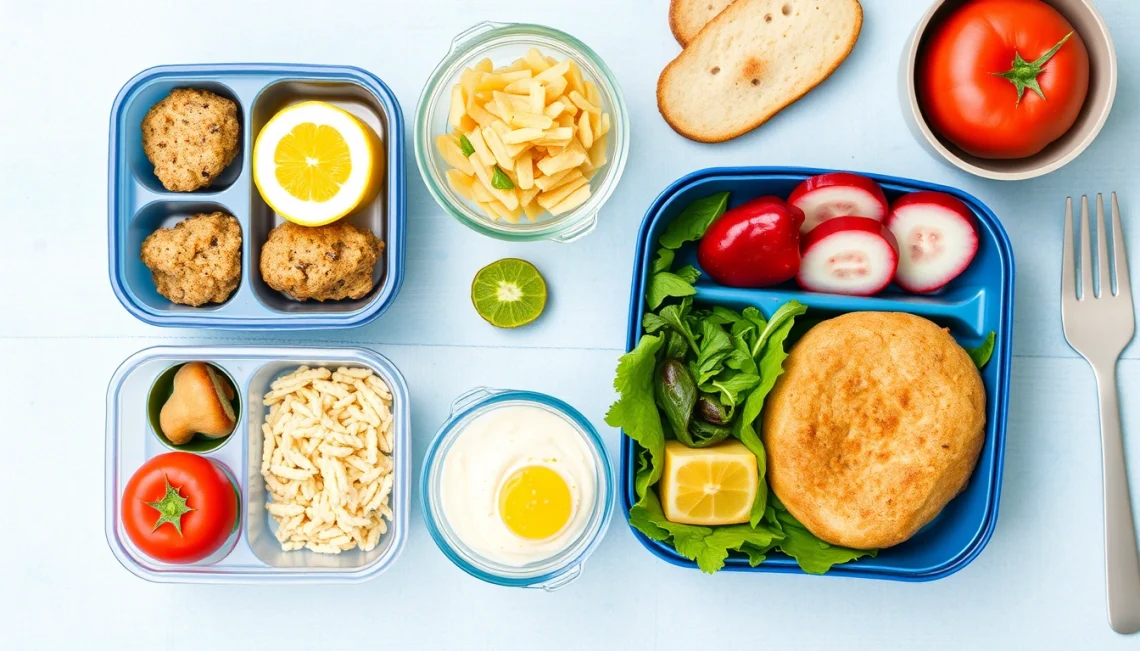
When sandwiches fail because the eater is bored, bento-style boxes usually fix the problem. This is the healthy lunchbox ideas by meal type that I reach for when I need variety without cooking a brand-new meal.
A bento box works because it breaks lunch into small parts. That matters for picky eaters, slow eaters, and anyone who prefers a little of several things over one large main dish. It also works well for people who snack through lunch rather than sit down and finish one item at a time.
My bento formula is simple:
– 1 protein
– 2 produce items
– 1 grain or starchy carb
– 1 fun item
Examples:
– Cubed cheese, whole-grain crackers, grapes, cucumber rounds, and a few olives
– Hard-boiled eggs, mini pitas, carrot sticks, hummus, and berries
– Edamame, rice balls, sliced bell pepper, orange segments, and pumpkin seeds
– Cottage cheese, apple slices, toasted oats, celery sticks, and a couple of dark chocolate squares
– Chickpeas, cherry tomatoes, crackers, cucumber, and a yogurt dip
Choice is the advantage. The eater can mix, match, and save pieces for later. That makes lunch feel less like an assignment. But there’s a catch: bento boxes can quietly become too small, especially if you use tiny compartments and fill them with low-energy foods. A box of cucumber coins, a handful of berries, and a few pretzels is not enough for most adults and many older kids.
I also pay attention to texture. Good bento lunches include at least one crisp item, one soft item, and one chewy item. That alone can make a lunch feel more complete. If everything in the box is soft, the meal can feel flat. If everything is crunchy, it can feel like a snack tray with a health halo.
The biggest mistake I made with bentos was overpacking novelty. I tried making each compartment different every day, and that burned out in Week 2. The fix was a rotation list. I kept 5 proteins, 5 produce options, and 5 fillers on paper, then mixed them. Enough variety. No daily invention. Thank goodness.
Before/after: bento lunch acceptance
| Metric | Before | After | Change | Timeline |
|---|---|---|---|---|
| Box comes home with most food untouched | 3 days/week | 1 day/week | Down 67% | By Week 4 |
| Lunch preparation time | 22 minutes | 11 minutes | Down 11 minutes | By Month 2 |
| Repeat prep stress rating | 8/10 | 4/10 | Down 4 points | By Day 60 |
| Food variety across a school week | 4 items | 9 items | +5 items | By Day 90 |
If you need one lunch type that is forgiving, bento-style boxes are hard to beat.
Thermos lunches: the healthiest hot lunchbox option when cold food fails
Thermos lunches are the answer when cold lunches are ignored, rejected, or simply too boring. If someone keeps coming home hungry because the sandwich was never eaten, I would switch to hot food before I kept repeating the same cold lunch and hoping for a miracle.
The best thermos lunches are thick, moist, and familiar:
– Chili with beans and vegetables
– Lentil soup with bread on the side
– Pasta with meat sauce or lentil bolognese
– Fried rice with egg and peas
– Mac and cheese with broccoli mixed in
– Curry with rice
– Stew with potatoes and carrots
Food needs to hold heat and stay appetizing after a few hours. Thin broth cools too quickly and is harder to eat neatly. Thick soups, saucy grains, and soft stews travel better. I also prefer recipes that still taste good at lunch temperature, because not every thermos keeps food piping hot all the way to noon.
A thermos lunch usually needs a side for balance:
– Fruit
– Raw vegetables
– Yogurt
– A small bread roll
– Cheese
– Crackers
The trade-off is prep. Thermos lunches are less grab-and-go than a sandwich. They need reheating, careful packing, and a container that actually does its job. If your mornings are already rushed, this can be the least convenient option. I would not recommend it for a household that needs a 3-minute exit every weekday.
The payoff is big, though. A hot lunch often feels more satisfying, especially in cold weather or for anyone who gets tired of bread. By Month 2, thermos lunches can also reduce the “I bought something at lunchtime” problem because the packed meal feels more like a real meal.
Before/after: thermos lunch results
| Metric | Before | After | Change | Timeline |
|---|---|---|---|---|
| Bought lunch during the week | 3 times | 1 time | Down 67% | By Month 2 |
| Midday hunger before afternoon | High | Moderate | Improved | By Week 3 |
| Morning packing time | 9 minutes | 14 minutes | Up 5 minutes | Week 1 |
| Food satisfaction rating | 5/10 | 8/10 | Up 3 points | By Day 90 |
I would use thermos lunches as a 2- or 3-day rotation, not an everyday burden. The best system is the one that survives real mornings.
The mistake that cost me the most: building lunches without a backup plan
This is the part most generic lunch articles skip, and it’s the part that matters most in real life. The mistake was thinking a lunch plan fails only when the food itself is bad. In practice, lunch fails when one piece of the system breaks: the protein runs out, the fruit gets soft, the container leaks, or the one person packing lunch is too tired to invent a substitute.
My worst stretch happened when I built 5 days of lunches around 2 ingredients and one container size. That looked efficient on paper and collapsed in reality. The lettuce wilted. The wraps got repetitive. The yogurt cups went missing behind the milk. One afternoon, the lunchbox came home with an untouched wrap and a crumpled napkin, which was the clearest sign that the plan was not working.
What it cost:
– Time: an extra 15 to 20 minutes of emergency packing on the worst mornings
– Food waste: at least 3 failed lunches that week because the same fillings kept coming back
– Money: I had to replace one leaky container and buy more backup items
– Momentum: the whole routine became annoying enough to skip on two days
Why it happened:
1. I used too few lunch types.
2. I depended on perishables that did not stay appealing.
3. I did not keep backup foods on hand.
4. I tried to make every lunch “healthy” in the same way.
The fix was brutally simple: I created a backup shelf. It held shelf-stable items and low-effort options:
– Whole-grain crackers
– Tuna or beans
– Applesauce cups
– Shelf-stable milk or yogurt alternatives if appropriate
– Fruit cups in juice, not syrup
– Nuts or seeds where allowed
– Instant oatmeal for thermos use
I also created a second rule: every lunch plan needed one “emergency substitute” that could be packed in under 5 minutes. That saved the routine more than any recipe ever did.
Before/after: the backup-plan fix
| Metric | Before | After | Change | Timeline |
|---|---|---|---|---|
| Emergency lunch failures per month | 6 | 1 | Down 5 | By Month 2 |
| Grocery replacement trips | 4 | 1 | Down 3 | By Day 60 |
| Leaked or spoiled lunches | 3 | 0 to 1 | Down sharply | By Day 90 |
| Morning stress rating | 9/10 | 5/10 | Down 4 points | By Week 6 |
Honestly, the lesson is simple: a healthy lunchbox system is only healthy if it can be repeated. A perfect lunch that cannot be packed twice is not really a system.
What I would pack in a week: a real meal-type rotation
The easiest way to keep lunch healthy without getting trapped in one format is to rotate meal types across the week. I like a loose pattern like this:
- Monday: sandwich or wrap
- Tuesday: bento box
- Wednesday: thermos lunch
- Thursday: grain bowl or salad
- Friday: leftovers
That structure cuts decision-making. It also spreads the work so no single lunch type has to carry everything.
Here is a sample week I would actually use as a template:
Monday — Turkey and hummus wrap
– Whole-wheat wrap
– Turkey
– Hummus
– Spinach
– Cucumber sticks
– Apple
Tuesday — Bento box
– Cubed cheese
– Crackers
– Grapes
– Bell pepper strips
– Roasted chickpeas
Wednesday — Thermos chili
– Bean chili
– Small whole-grain roll
– Orange segments
Thursday — Grain bowl
– Brown rice
– Chicken or tofu
– Roasted carrots
– Spinach
– Tahini dressing packed separately
Friday — Leftover pasta
– Pasta with sauce
– Broccoli
– Yogurt
– Pear
The reason I like this rotation is that it gives each day a job. Monday is easy. Tuesday is flexible. Wednesday is warm. Thursday feels fresh. Friday clears the fridge.
A generic article would tell you to “mix it up.” That’s too vague to help on a busy morning. A rotation turns variety into a habit.
Before/after: weekly rotation impact
| Metric | Before | After | Change | Timeline |
|---|---|---|---|---|
| Repeated lunch type in one week | 5 days | 2 days | Down 3 days | By Week 2 |
| Decision time each morning | 10 minutes | 3 minutes | Down 7 minutes | By Week 3 |
| Ingredients wasted in the fridge | 7 items/week | 2 items/week | Down 5 items | By Month 2 |
| Lunch boredom complaints | Frequent | Occasional | Improved | By Day 90 |
If a lunch plan isn’t lowering your mental load, it’s probably not a good plan.
Practical food safety and packing details I would not skip
Healthy lunchbox ideas only stay healthy if the food arrives safely. That means paying attention to temperature, moisture, and container choice. I would not turn this into a fear-driven project, but I also would not ignore the basics.
A few standards are worth knowing. The FDA Food Code and the **USDA Food Safety and Inspection Service