Last updated: October 22, 2026
Quick Answer: For How to Pack a Lunchbox for Hot Weather School Days, use one insulated lunch bag, one flat ice pack, and a cold-packed lunch; if the lunch will travel or sit for more than 2 hours, be more cautious and consult a food-safety professional or school nurse for your child’s routine. A hot-weather lunchbox setup is about keeping food out of the heat long enough for a school day, not about stuffing in as much ice as possible. Pack in a cold bag, start with cold food, separate anything wet, and use an ice pack where it can actually touch the food.
What you need before you start
You need an insulated lunch bag, one or two ice packs, a lunchbox or leakproof container, and foods that do not turn miserable at room temperature by noon. A small frozen bottle of water can help, but an ice pack is usually easier to place. If your child carries lunch across a parking lot, waits at a bus stop, or sits through outdoor recess, consult a pediatrician, school nurse, or other qualified professional about whether the lunch needs extra cooling support; the USDA’s food-safety guidance is the right place to start, too.
The most useful hot-weather lunchbox setup is simple: cold bag, cold food, and as little empty space as possible. That matters more than decorative containers or a stack of compartments. A wide lunch bag with enough room for a flat ice pack does more work than a pretty box that cannot fit one. This is also the point where a lot of generic advice goes wrong. It talks about “healthy lunches” in the abstract and skips the part where mayonnaise, yogurt, cheese, and fruit each behave differently once the lunch sits in heat.
If you want a broader timing strategy for morning prep and lunchtime freshness, the hub on lunchbox timing and freshness belongs in the next tab, not here. This page stays on the hot-weather setup itself.
How do you pack a lunchbox for hot weather school days?
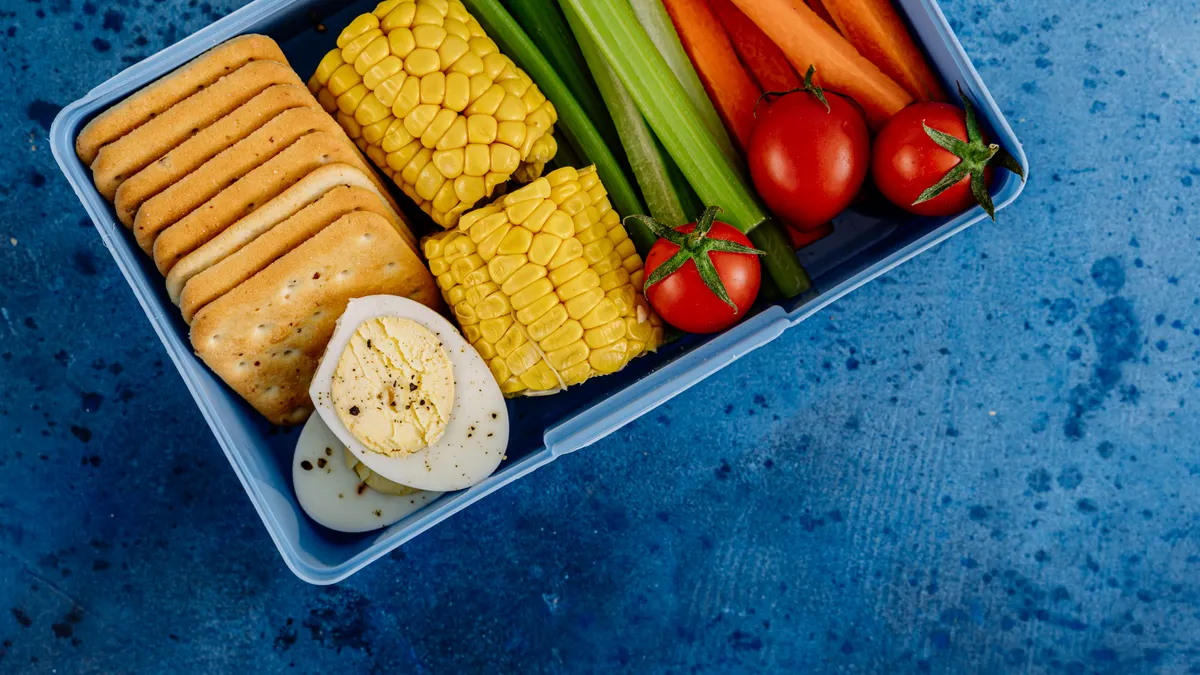
You pack it in a cold-first order: cool the food, line the bag, place the coldest items against the ice pack, then keep the lunch closed until it is handed over. That order matters more than the brand of bag.
-
Start with food that is already cold or frozen. Put yogurt, cheese, and fruit from the fridge into the lunchbox at the last minute, not an hour before departure. If you include a frozen juice box or frozen water bottle, it should feel hard when it goes in. The result you want is a lunch that leaves the kitchen cold to the touch.
-
Put the ice pack where it can do the most work. Lay a flat ice pack on top of or directly beside the most temperature-sensitive items, not loose in the bag. A 4-by-6-inch pack or similar flat shape usually sits better than a bulky round one. The result you want is direct contact with the lunch, not an ice pack rattling in a corner.
-
Use the insulated lunch bag as the outer shell. Close the zipper fully and keep the bag out of direct sun while you are getting shoes on, loading backpacks, or waiting for the bus. Shade under a porch, in a car footwell, or inside an outer backpack pocket helps more than people expect. The result you want is a bag that stays cool to the touch, not warm from sitting in the sun.
-
Pack foods in a stable order. Put sturdy items on the bottom and fragile, cold items above or beside the ice pack. A sandwich wrapped in parchment can go under a cold container; yogurt and cheese belong closest to the cold source. The result you want is less squashing and less heat exposure around the foods most likely to spoil.
-
Seal wet items separately. Keep fruit cups, cut melon, dip, and salad dressings in leakproof containers so moisture does not soak bread or crackers. The result you want is a lunch that still tastes like lunch instead of a damp pile by midday.
-
Send the bag to school already closed. Do not reopen it “just to check” once it is packed. Every opening lets warm air in. The result you want is a lunchbox that travels as one cold unit until snack or lunch break.
That sequence works best for a school morning where the lunch sits for hours before opening. It is less useful if the lunch will be eaten immediately after packing, and it is not the right fix for a child who repeatedly leaves the bag open in a hot classroom.
What foods belong in hot-weather school lunches?
For hot-weather school lunches, the best foods are the ones that stay acceptable longer in a warm ride and that fit the cold setup you have. That means choosing items with some heat tolerance instead of guessing. Yogurt and cheese can still fit in the lunchbox, but they need the coldest spot and the shortest possible exposure. Fresh fruit is often easier than many other sides because whole apples, grapes, oranges, and berries hold up better than soft, cut fruit.
A practical hot-weather lunch often looks like this:
- Cold proteins: cheese sticks, yogurt, hummus in a sealed container, or a chilled sandwich filling
- Fruit: whole fresh fruit or cut fruit in a tight container
- Crunchy sides: pretzels, crackers, bread, or dry cereal
- Cold extras: a frozen water bottle, applesauce pouch, or a small dairy item that stays with the ice pack
The trade-off is obvious: the more perishable the food, the more tightly you have to control temperature. A turkey-and-mayo sandwich is not the same as crackers with cheese. Yogurt is useful because it is compact and popular, but it should not be sent loose in the lunchbag with warm air around it. Cheese works better than many fillings because it stays firm and does not spill, yet it still needs a cold pocket. Fresh fruit is a smart anchor because it is usually less fussy than salads or sauces.
Who this approach is not for: a lunchbox that sits for a long time in heat with no insulation, no ice pack, and no refrigerator access. In that setup, perishable foods are the wrong choice. Use shelf-stable foods instead, or change the storage plan.
For a quick reference point, the U.S. Department of Agriculture’s Food Safety and Inspection Service and foodsafety.gov both give practical guidance on keeping perishables cold and limiting time in the “danger zone.” Those sources are worth reading when you want the temperature logic behind the lunchbox plan.
How to keep the lunchbox cool during transport and outdoor recess
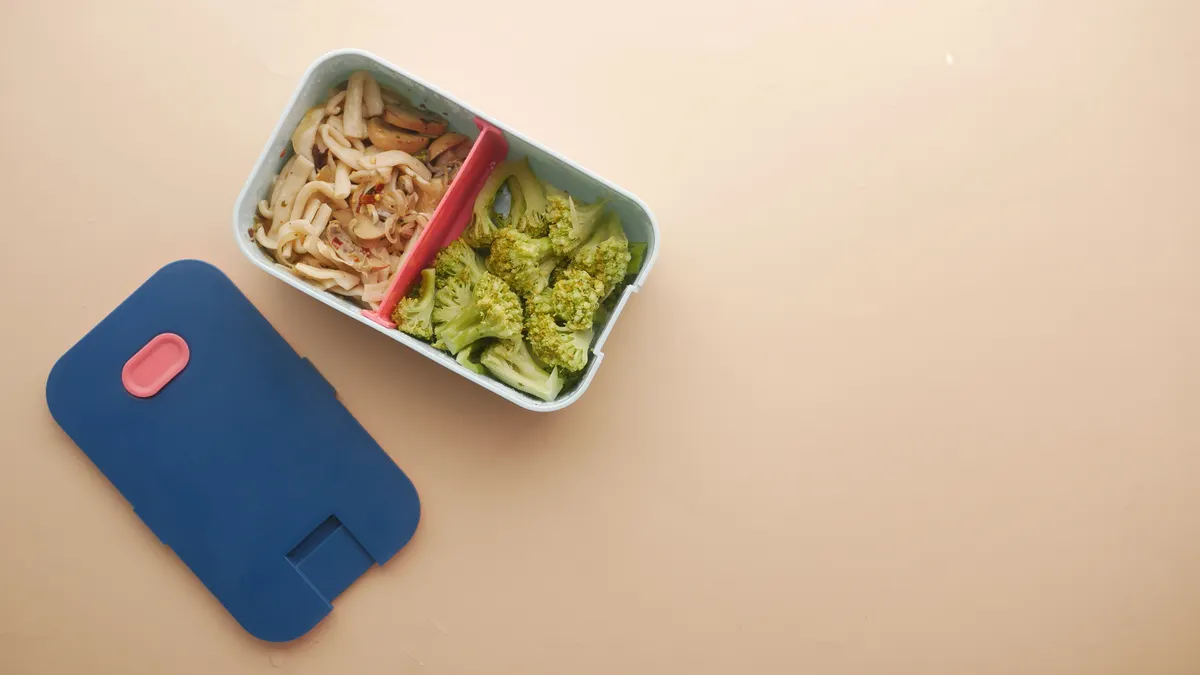
You keep the lunchbox cool by reducing heat before the child even opens it, then protecting it during the hottest parts of the day. A lunch bag left in direct sun on a blacktop is already losing the fight, even if it started cold. Shade and timing are the part people miss.
The easiest fix is transport discipline. Move the lunch from fridge to bag as late as possible, and move the bag from counter to shade as soon as it is packed. If the child carries lunch in a backpack, place the insulated lunch bag inside the main backpack rather than letting it hang outside in the sun. The backpack acts as a second layer against heat.
Outdoor recess days are a special problem because lunch boxes can sit in warm classrooms, under benches, or in hall corners before lunch period. If the school allows it, ask whether the lunch can be stored in a cooler spot in the classroom or the child can bring it straight to a shaded lunch area. A shaded spot is not refrigeration, but it slows warming. A lunch left on a windowsill or near a radiator loses its cold quickly.
The most useful habit is to avoid opening the lunchbox until eating time. A quick “just checking” during the morning let-out or recess pickup can cut the benefit of the ice pack. If the lunch includes a frozen water bottle, that bottle can help with cooling and later with drinking, but it should not be relied on as the only cold source if the day is especially hot.
This is where hot-weather lunch packing differs from general school lunch advice: the route matters. A 10-minute walk, an unshaded bus stop, or a parked car in the sun can undo a careful pack. If the school day includes those conditions, pack more conservatively and choose less delicate foods.
The common mistakes that ruin summer school lunches
The biggest mistakes are warm packing, loose packing, and overfilling the bag, and each one has a cost. Warm packing shortens the safe window. Loose packing lets air circulate around the food. Overfilling crushes the ice pack so it cannot sit flat against the lunch.
Here is what usually goes wrong:
- Packing room-temperature yogurt or cheese. That starts the day with food already warm, which makes the ice pack work harder and less effectively.
- Using one tiny ice pack in a large bag. The cold spot is too small, so only one corner stays cool.
- Leaving open spaces in the lunch bag. Warm air moves around the containers and heats the bag faster.
- Wrapping everything in cloth napkins or extra layers. Soft wraps are nice for lunch service, but they can block contact with the ice pack.
- Sending soft fruit without a tight container. Fruit juice leaks, bread gets wet, and the whole lunch feels unappetizing.
The fix is usually boring, which is a good sign. Pack cold items together, choose a flat ice pack that touches the food, and use containers that fit the bag instead of forcing the bag to fit the containers. If the lunch bag is too big for the lunch, add a second ice pack or switch to a smaller bag. If the lunch is too delicate for the route to school, change the menu.
A lot of articles skip the trade-off here: the coldest setup is not always the most convenient setup. A frozen bottle and a flat ice pack take space. That means there may be less room for novelty containers, cutlery sets, or a giant sandwich box. For hot weather, that trade-off is worth it.
For general food-safety timing, the USDA and foodsafety.gov are the cleanest references to keep nearby. If a lunch is likely to sit hot for a long time, their guidance is the right standard to check, especially for dairy and other perishables.
What should I pack differently on days with outdoor recess?
You should pack as if the lunch may warm up before the child eats it, because on outdoor recess days that is exactly what can happen. The lunch is not just sitting in a backpack anymore; it may spend extra time in a warm classroom, a sunlit cubby, or a lunch area with no air conditioning.
On those days, make two changes. First, favor sturdier cold foods: cheese, whole fruit, and tightly sealed yogurt rather than soft sandwiches with wet fillings. Second, strengthen the cold side of the bag with a larger ice pack or a second one, especially if the morning commute is long. A lunch that will be opened after several hours needs more cold mass than one that is opened quickly.
It also helps to reduce the number of temperature-sensitive items. One yogurt, one cheese stick, and one fruit is easier to manage than multiple dairy items plus creamy dips. The fewer fragile foods you pack, the fewer chances there are for one warm item to spoil the rest of the lunch.
If recess happens outdoors before lunch, think about the lunchbox’s resting place. A bag kept in shade under a desk or locker is better than one left in direct sun. In some schools, that means using the classroom corner near the coolest wall rather than the window side. The difference can be noticeable over a 4- to 5-hour school morning, even without precise temperature control.
This is also the point where caution matters more than convenience. Hot-weather packing is not the place for “it should be fine.” If the lunch contains dairy, cooked meat, or cut fruit, keep the setup strict. If the school day is unusually hot or the building lacks air conditioning, cut back on perishables and build around shelf-stable items instead.
A simple hot-weather lunch formula that actually works
A good hot-weather lunch formula is one cold item, one sturdy item, one fruit, and one ice pack, all inside an insulated lunch bag. That gives you balance without making the bag so full that the cold air has nowhere to sit.
A workable example is:
- one yogurt or cheese stick
- one sandwich or wrap with a dry filling
- one whole fresh fruit
- one flat ice pack
- one leakproof container if any item is juicy
That formula works because it keeps the cold source close to the foods that need it most. It also leaves enough room to close the bag properly, which matters more than people expect. If the zipper fights shut, the bag is overpacked. If the contents shift around loosely, the bag is underpacked.
A common mistake is trying to pack a “perfect” lunch and a hot-weather lunch at the same time. Those goals can conflict. A lunch full of delicate fillings, saucy vegetables, and soft fruit may look appealing at home, but it asks for more cooling than a school day usually provides. A hot-weather school lunch should be sturdy first, attractive second.
Comparison table: lunchbox setup options for hot weather
| Setup | Best for | Main drawback | Typical cost |
|---|---|---|---|
| Basic insulated bag + 1 flat ice pack | Short commute, shorter school day | Less margin in direct sun | $10-$25 |
| Larger insulated lunch bag + 2 ice packs | Long commute or outdoor recess | More bulk in backpack | $20-$40 |
| Insulated bag + frozen water bottle | Kids who need a drink later | Bottle takes space and may thaw too fast alone | $5-$15 |
| Small leakproof container set + ice pack | Wet foods and cut fruit | Extra parts to wash | $8-$30 |
Key Takeaways
- Pack cold food cold, and keep the lunchbag closed until lunch.
- Use an insulated lunch bag plus a flat ice pack that touches the most perishable items.
- Place yogurt, cheese, and other fragile foods nearest the cold source.
- Choose fresh fruit and other sturdy foods when the day will be hot or the route to school is long.
- Shade, transport time, and outdoor recess can matter as much as the lunchbox itself.
- If the bag cannot stay cool, reduce perishables rather than hoping for the best.
FAQ
What foods melt in hot weather?
Soft dairy and creamy fillings are the first to suffer in heat. Yogurt cups, cheese left loose in the bag, mayonnaise-based sandwiches, chocolate-coated snacks, and cut fruit can all turn unpleasant quickly if the lunch sits warm. Frozen items help at first, but they are not a substitute for insulation and an ice pack.
How do I keep lunch safe on very warm days?
Keep lunch cold from the start, use an insulated lunch bag with an ice pack, and minimize time in direct sun. Pack perishable foods as close to the cold source as possible, close the bag fully, and avoid reopening it before lunch. If the day is extremely hot, shift toward less perishable foods.
Should I avoid certain foods in summer?
Yes, if they cannot stay cold until lunch. Foods that rely on refrigeration, especially dairy-heavy or creamy items, are poor choices for a hot day unless the lunchbox setup is strong. On very warm days, I would favor whole fruit, cheese packed with an ice pack, and other sturdier items over anything soft, wet, or highly perishable.
Drafted with AI; not yet reviewed by a person.