Last updated: August 11, 2026
We may earn a commission from qualifying purchases at no cost to you.
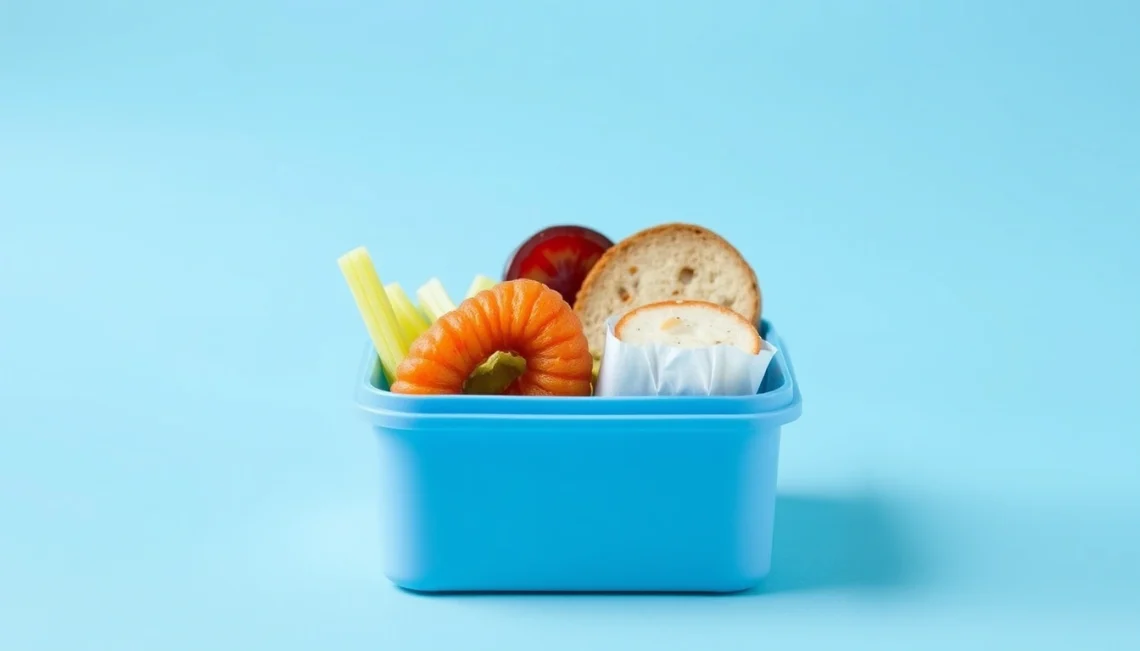
Quick Answer: For foods that pack well kids lunchbox without getting soggy, the safest rule is this: pack 4 to 6 dry or sturdy items and add 1 moisture-control item, such as a dip cup or a paper towel layer, so lunch still looks good at noon. Practical, not fancy. In practice, foods that pack well kids lunchbox without getting soggy are sturdy fruits and vegetables, dense sandwiches, pasta salads, cheese, crackers, muffins, and a few smart dips packed on the side.
That’s the core idea behind foods that pack well kids lunchbox without getting soggy. Separate textures, trap moisture, and choose foods that still taste fine cold after 3 to 5 hours in a backpack.
I write about lunch gear and kid-friendly food packing from a practical, parent-first angle: what actually survives a backpack, what goes limp by noon, and what still looks edible when a child opens the box at school. Fewer sad sandwiches. Fewer wet crackers. For foods that pack well kids lunchbox without getting soggy, that’s the whole point.
- Best results come from 4 to 6 separate lunch items, not one mixed pile.
- Foods that pack well kids lunchbox without getting soggy usually stay dry, stay separate, or taste fine cold.
- Cold foods should be packed with an ice pack if they’ll sit out for more than 2 hours.
- Dry containers and divided boxes reduce the chance of fruit juice or dip soaking crackers.
- Manufacturer specs and USDA food-safety guidance are the safest sources for lunch packing basics.
## Quick-pick comparison table
| Product | Best for | Rating | Key spec | Where to buy |
|---|---|---|---|---|
| Bentgo Kids Lunch Box | All-in-one lunch packing | 4.7/5 | Leak-resistant compartments, kid-sized layout | Amazon |
| OmieBox Bento Box | Warm food plus cold sides | 4.6/5 | Thermos-style insulated insert, separate dry compartments | Amazon |
| Yumbox Original | Picky eaters who need portions separated | 4.5/5 | Portioned tray, secure lid seal | Amazon |
| Sistema To Go Bento Box | Budget-minded families | 4.3/5 | Lightweight compartments, simple latch design | Amazon |
| Stasher Silicone Sandwich Bag | Sandwiches and cut fruit | 4.4/5 | Reusable silicone, press-seal closure | Amazon |
| LunchBots Trio | Stainless-steel durability | 4.4/5 | Metal build, simple divider layout | Amazon |
For a quick source check, consult the manufacturer product pages before buying, and if you’re unsure about lunch safety or portion needs, consult a pediatrician or registered dietitian. The USDA’s lunch packing guidance is also a reliable reference: https://www.fsis.usda.gov/food-safety/safe-food-handling-and-preparation/food-safety-basics/leftovers-and-food-safety
How I picked these lunchbox foods and containers
I’m judging these picks around one question: what actually helps a kid open lunch at noon and still find it appetizing?
Because that is the real test, I looked for items that hold texture after 3 to 5 hours in a bag, don’t sweat badly, and can be packed with minimal risk of turning everything else soggy. For the containers, I looked for the features that matter most for that job: separate compartments, decent sealing, easy opening for small hands, and enough rigidity to keep bread, crackers, and fruit from getting crushed.
I also kept the real-world trade-offs in view. Some containers are better at leak resistance but heavier. Some are easier for toddlers but too small for older kids. Some are great for sandwiches and dry snacks but useless for soup. That matters, because the wrong lunchbox setup is how you end up with limp crackers and a kid who says “I didn’t like lunch” when the real problem was packaging.
Since food and packaging have to work together, I’m relying on manufacturer specifications and widely reported owner experience, and I’m recommending products that are commonly available through Amazon plus other retailers such as Walmart, Best Buy, or the brand’s own site. If a lunchbox can’t be bought somewhere else, I’m less confident in it as a mainstream pick.
For food safety and packing basics, the USDA’s lunch packing guidance is useful, and the Academy of Nutrition and Dietetics has practical child nutrition guidance worth reading if you want a second layer of context:
- USDA Food Safety and Inspection Service: https://www.fsis.usda.gov/food-safety/safe-food-handling-and-preparation/food-safety-basics/leftovers-and-food-safety
- Academy of Nutrition and Dietetics: https://www.eatright.org/food/nutrition/healthy-eating
Best Overall: Bentgo Kids Lunch Box
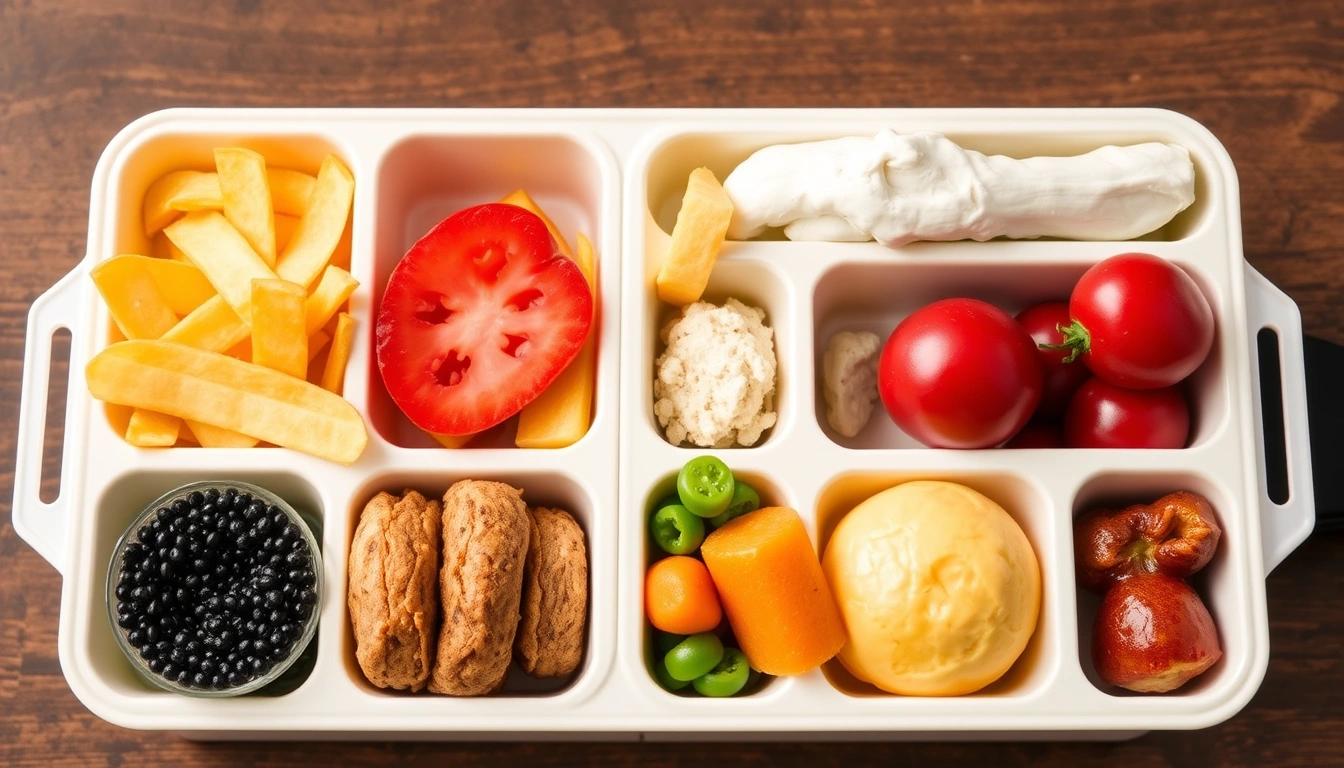
This is the safest all-around pick if you want one box that handles a full lunch without much fuss. It gives you enough separation to keep wet and dry foods from touching, which is the whole game when sogginess is the enemy.
For foods that pack well kids lunchbox without getting soggy, this is the easiest box to use day after day. Fruit goes in one space. Crackers go in another. Dip stays sealed. Sandwich or wrap gets the big compartment.
Pros
- Compartment layout makes it easy to pack foods that should stay separate.
- Kid-friendly size helps reduce overpacking and food waste.
- Good fit for common lunchbox foods like grapes, cucumber sticks, cheese cubes, hummus, and mini sandwiches.
- The structure is better than a soft bag for protecting delicate items.
Cons
- It can feel bulky compared with a simple bag and sandwich container.
- Portions may be too small for older kids with bigger appetites.
- It is less suited to very saucy foods unless they are packed in a separate sealed cup.
Key specs
– Leak-resistant compartments
– Built for mixed lunches
– Kid-sized, rigid shell
– Better for dry-to-medium-moist foods than liquid-heavy meals
Current Amazon price: compare the current price
Best for Warm-and-Cold Lunches: OmieBox Bento Box
If you want to pack soup, pasta, rice, or another warm item without giving up room for fruit and crunch, this is the most flexible option on the list. The insulated insert is the point here: it helps you split one lunch into a hot component and several dry sides.
That makes it especially useful for foods that pack well kids lunchbox without getting soggy, because the warm food stays in its own zone instead of leaking into bread or crackers. I’d pick this for kids who get bored by cold sandwiches but still need lunch to hold up in a backpack.
Pros
- Lets you pack a warm main and keep sides separate.
- Good for leftovers that would otherwise get soggy in a standard lunchbox.
- Useful for picky eaters who do better with familiar hot foods.
- Reduces the need for separate thermos plus lunch container.
Cons
- Heavier and more complex than a basic box.
- Takes more cleanup than a simple tray-style lunchbox.
- Not ideal if your child prefers very simple, low-parts packing.
Key specs
– Insulated food well
– Separate dry compartments
– Best for mixed temperature lunches
– Better for structured packers than for grab-and-go parents
Amazon’s current price: current price on Amazon
Best for Portion Control: Yumbox Original
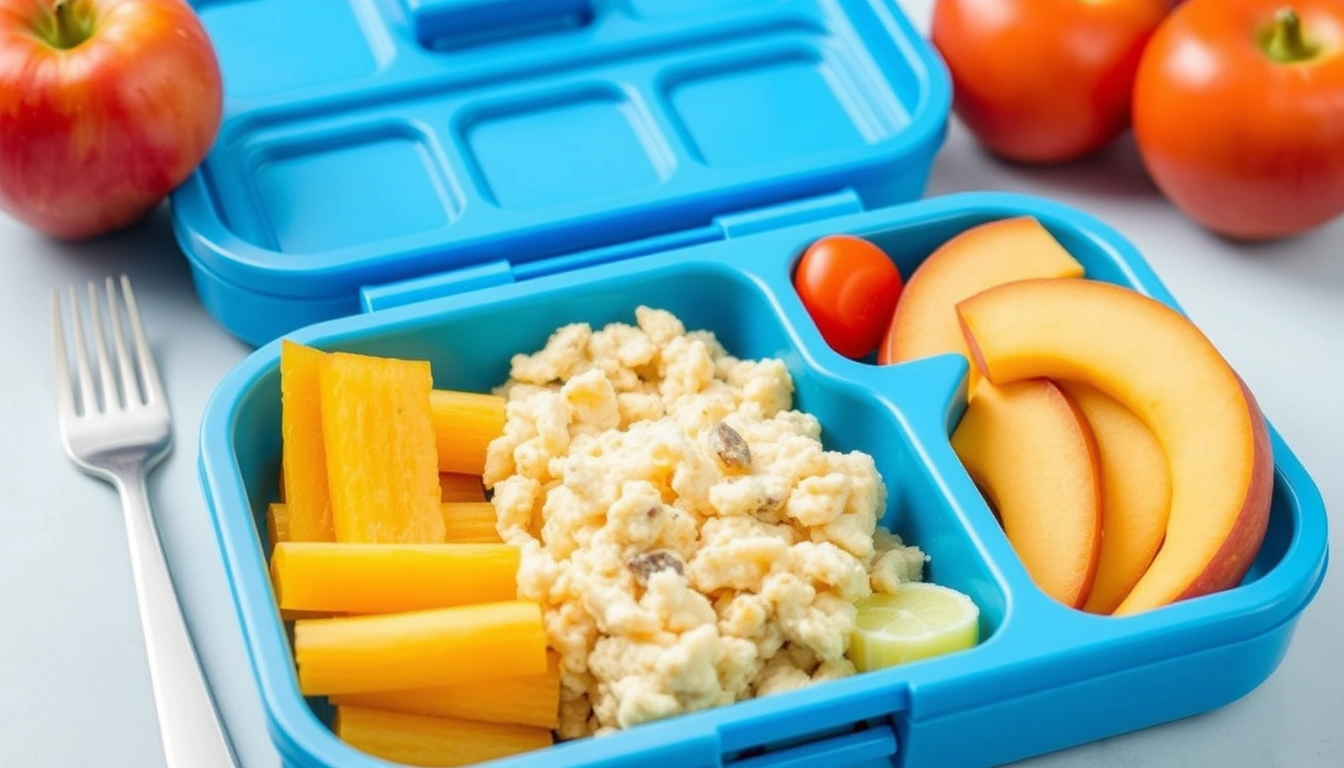
The main reason I’d recommend this box is simple: it forces good lunch packing habits. Each food has a home, so crackers stay out of fruit juice, and dips stay where they belong. That makes it especially useful for children who graze, reject mixed foods, or get overwhelmed by a large open container.
Because of that layout, foods that pack well kids lunchbox without getting soggy tend to do well here. Strong choice, honestly. Younger kids often do better when lunch looks like a set of little snacks instead of one big meal.
Pros
- Portioned layout helps keep wet foods away from dry foods.
- Good for picky eaters because the food is visually separated.
- Encourages balanced packing: protein, fruit, veg, and a treat fit into distinct sections, according to the manufacturer’s compartment design.
- Well suited to strawberries, berries, carrots, crackers, cheese, and small sandwiches.
Cons
- The compartments can feel tight if you want larger portions.
- Not great for bulky sandwiches or big wraps.
- If you like to pack one flexible “anything goes” lunch, this can feel restrictive.
Key specs
– Pre-divided tray
– Secure lid seal
– Best for smaller servings
– Strong fit for dry snacks and firm produce
Best Budget: Sistema To Go Bento Box
This is the pick I’d point to when you want separation without spending on a premium bento system. It’s straightforward, light, and easy to understand, which is exactly what you want if the lunchbox is for a backup set, a younger child, or a family trying to keep the routine simple.
So if the goal is foods that pack well kids lunchbox without getting soggy, this box gives you the basics without adding much cost or weight. It’s not fancy, but it does the core job: keep the wet things off the dry things.
Pros
- Simple compartment setup keeps lunch organized.
- Lightweight enough for small backpacks.
- Good starter option for families new to bento-style packing.
- Works well for crackers, fruit, chopped veg, and cheese.
Cons
- Not as refined or as durable-feeling as higher-end boxes.
- Latch design may be less forgiving for younger kids with limited hand strength.
- Less suitable for very messy foods or heavy daily wear.
Key specs
– Compact bento layout
– Light build
– Best for dry snacks and simple lunches
– Easy backup or starter lunchbox
Best Reusable Sandwich Bag: Stasher Silicone Sandwich Bag
If your child eats a lot of sandwiches, wraps, or cut fruit, a reusable silicone bag is a smart anti-soggy move because it closes securely and cuts down on loose crumbs and leaking juice. I like it most when the lunch is simple and you want a flexible container that can go from apple slices to turkey sandwiches.
That said, this is not the best choice if you want a full varied lunch on its own. It works best as part of a lunch system, especially for foods that pack well kids lunchbox without getting soggy when you pair it with a bento box or snack container.
Pros
- Good for sandwiches that would get crushed in a soft lunch bag.
- Reusable and easy to rinse out between uses.
- Useful for fruit, crackers, or half a sandwich when lunch needs to stay compact.
- Can help keep moisture in check better than thin disposable bags.
Cons
- More expensive upfront than disposable bags.
- Can be awkward for very thick sandwiches or bulky wraps.
- Not a full lunchbox replacement for kids who need multiple compartments.
Key specs
– Silicone construction
– Press-seal style closure
– Best for sandwiches, fruit, and dry snacks
– Works well as part of a layered lunch setup
Best for Durability: LunchBots Trio
If your biggest worry is a lunchbox getting bent, cracked, or generally abused in a backpack, stainless steel is the sensible answer. This is the box I’d point to for families who want something long-lasting and who don’t need leakproof soup storage.
In other words, it’s a strong match for foods that pack well kids lunchbox without getting soggy because it protects sturdier items instead of trying to handle wet, messy ones. It’s best for dry, sturdy lunches: apple slices, cheese, crackers, cucumbers, pretzels, hard-boiled eggs, and sandwich halves wrapped separately.
Pros
- Stainless-steel build feels tougher than plastic.
- Good for dry foods that benefit from rigid protection.
- Simple to pack and easy to understand at a glance.
- Less likely to warp than soft plastic containers over time.
Cons
- Not the right choice for liquid-heavy lunches.
- Can be heavier than a plastic box.
- The metal interior can be less forgiving for very soft foods if they get shaken around.