Last updated: October 22, 2026
Key Takeaways
- Perishable lunches should stay out no longer than 2 hours, or 1 hour in 90°F/32°C heat.
- Night-before packing is best for temperature control; morning packing is best for crispness.
- Ice packs protect safety most, containers protect texture most, and insulated bags make both work.
- Cold lunches are easier to keep predictable; hot lunches work best when they start very hot and stay insulated.
Lunchbox timing and freshness matter because a lunch can be safe, soggy, or both, depending on when you pack it and how long it waits before eating. This Lunchbox timing and freshness guide answers the practical question: how do you keep food safe, textured, and worth eating at noon? I write about food safety and meal prep with a focus on what changes the outcome at noon, not at packing time.
The simplest rule that keeps lunch safe and tasty
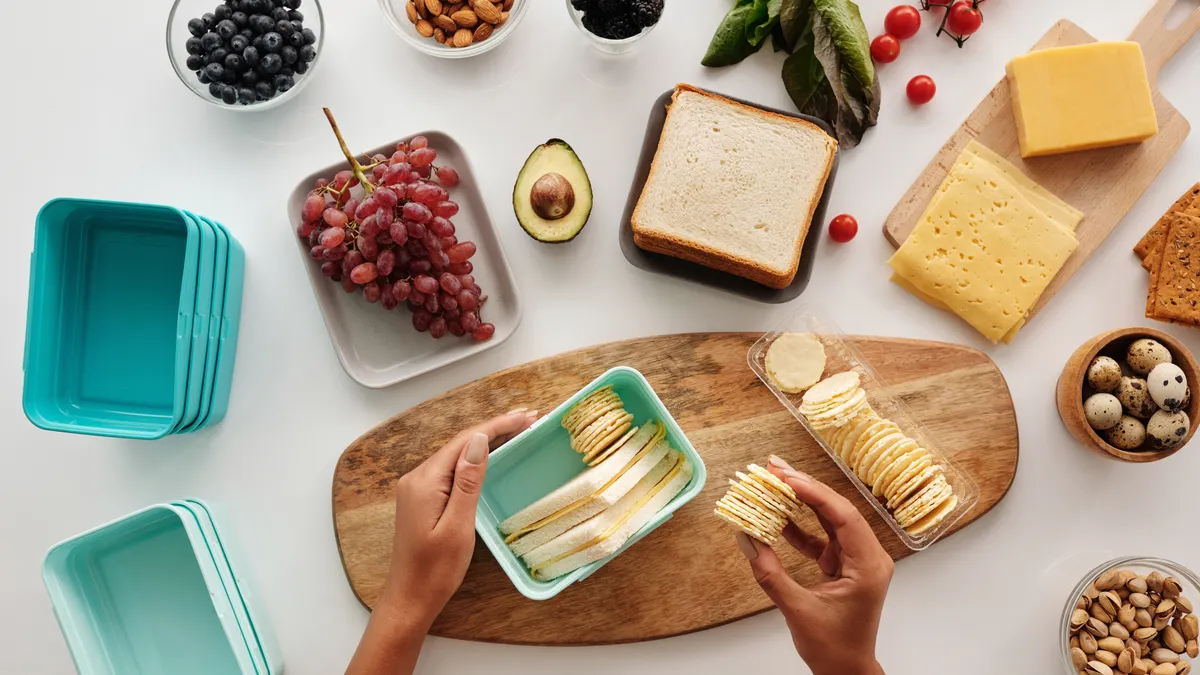
Pack it as close to departure time as you can, chill it first if it belongs cold, and get it into a proper fridge within 2 hours of cooking or unpacking from the refrigerator. That 2-hour rule is the practical baseline for perishable food, and it becomes 1 hour when the room is very hot, around 90°F or 32°C, according to the USDA Food Safety and Inspection Service.
A lot of lunchbox advice can fail because it treats “freshness” like a flavor problem only; if you are unsure about a specific food, consult a food safety professional or follow public-health guidance. It is also a temperature problem, a texture problem, and sometimes a contamination problem. A chicken salad that sat on the counter for 4 hours is not just less crisp; it is a different safety situation than one packed straight from the fridge. A sandwich with wet tomatoes may be safe but soggy. A thermos of soup that starts off lukewarm may be safe in name only.
A practical timing strategy is usually:
- Prep cold components the night before.
- Keep them refrigerated until the moment you pack.
- Use an insulated lunch bag with at least one cold source for perishables.
- Send lunch with an ice pack if it will sit outside a refrigerator for more than 2 hours.
- For hot food, preheat the container and pack food piping hot, then keep it insulated.
For authoritative guidance, the USDA Food Safety and Inspection Service and the FDA Food Code materials on time and temperature control are useful starting points. The USDA’s “2-hour rule” and the FDA’s broader time-temperature framework agree on the core point: the clock matters as much as the recipe.
How long can lunch really sit out before it goes bad?
Most perishable lunch foods should not sit at room temperature for more than 2 hours, and only 1 hour if the ambient temperature is 90°F/32°C or higher. That includes cooked rice, pasta salads with mayo, sliced meats, yogurt, soft cheeses, cut fruit, cooked vegetables, and leftovers from last night’s dinner.
This is the part generic articles often flatten into “use an ice pack.” An ice pack helps, but it does not magically buy unlimited time. What matters is whether the food stays at 40°F/4°C or below, or 140°F/60°C or above. In between is the danger zone often used in food safety guidance. That middle range is where bacteria can grow quickly enough to matter.
The timing question changes depending on the food:
- Cut fruit: fine for a while, but it softens and weeps juice fast.
- Sandwiches with mayo or deli meat: keep cold, because they are perishable and the texture suffers if they warm up.
- Cooked grains and pasta: safe only if cooled and refrigerated promptly, then kept cold in the lunchbox.
- Hot leftovers: safe only if they start hot and stay hot.
A practical schedule helps more than guesswork:
- Cook dinner the night before.
- Cool it promptly.
- Portion it into lunch containers once steam is gone and the food is no longer piping hot.
- Refrigerate overnight.
- Pack it directly from the fridge in the morning.
- Deliver it to a fridge by lunch, or keep it chilled until then.
If you are packing lunch for a child, school rules may be stricter than household food safety. Many schools do not allow warming, and some expect entirely ambient-safe food. That means the lunchbox needs to do more work than a countertop can.
Should I pack lunch the night before or the same morning?
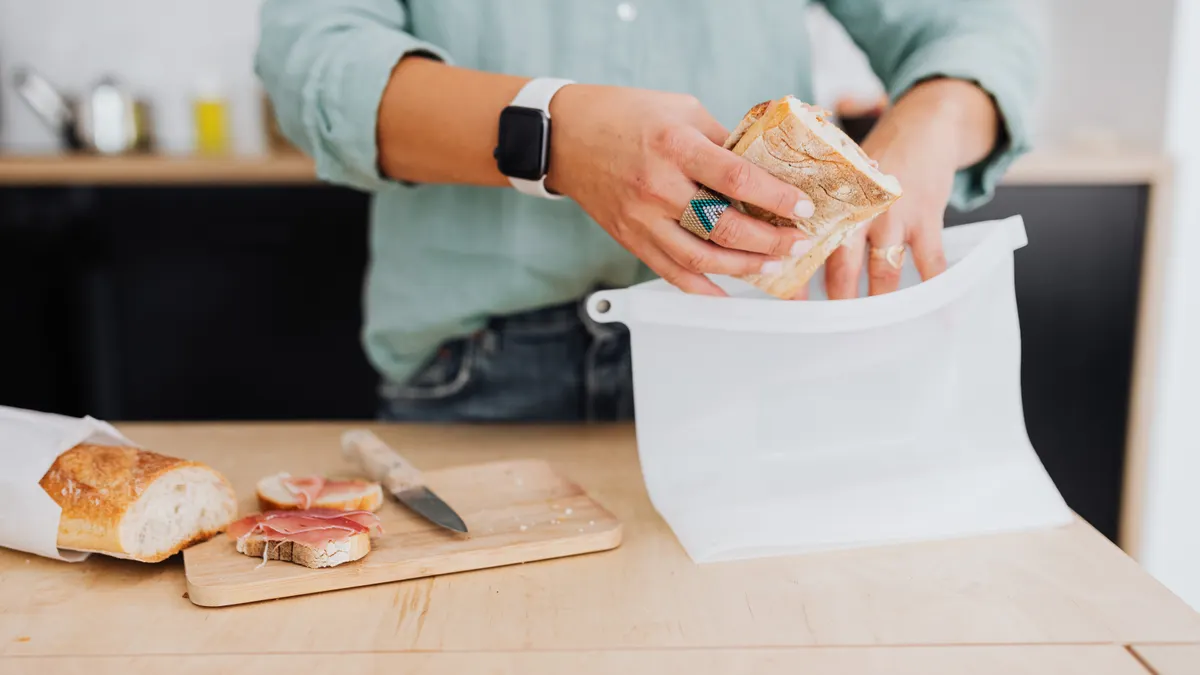
Pack it the night before if the lunch includes leftovers, cooked grains, or multiple components that need chilling; pack it the same morning if you need the best texture from bread, crackers, or anything crisp. The right answer depends on whether freshness means “safest” or “least soggy.”
Night-before packing usually wins on temperature control. It reduces morning rush, gives hot leftovers time to cool properly in the refrigerator, and lowers the chance that a lunch sits out while you hunt for lids, napkins, and ice packs. It also makes it easier to pack everything in one organized system: main food, cold source, utensils, and backup snack.
Same-morning packing usually wins on texture. Bread stays softer when it is not chilled overnight. Crackers stay crisp. Cut apples brown less if they are sliced close to departure time. Salads with crunchy toppings, like croutons or tortilla strips, are better assembled just before eating.
A workable compromise is a split routine:
- Night before: cook, chill, portion, and pack the cold-safe core.
- Morning of: add bread, crackers, delicate greens, and anything that wilts or softens.
- Last step: add ice pack or frozen drink bottle, then close the bag.
This is especially useful when the lunch has mixed needs. A turkey sandwich with cucumber can be packed in two parts: bread and filling separated, then assembled later. A grain bowl can be packed with dressing in a tiny sealed cup and crunchy toppings in a dry side container.
One caution: if you are putting warm leftovers into a lunchbox the night before, do not seal them hot and shove them straight into the bag. Let them cool first so condensation does not soften the food and raise the temperature inside the container. That matters for texture and food safety.
What keeps lunch freshest: the container, the bag, or the ice pack?
The ice pack usually matters most for safety, the container matters most for texture, and the lunch bag matters most for making the other two work together. If you choose only one of the three, the lunchbox design itself is the least important part of freshness; temperature control is the real lever.
A rigid container keeps sandwiches from being crushed, berries from bruising, and pasta from leaking. A tight lid protects dressings and cuts down on air exposure. A wide-mouth thermos or vacuum-insulated container matters for hot soups, stews, and chili because it slows heat loss better than a thin plastic tub.
The bag itself also matters. An insulated lunch bag gives a cold source a chance to do its job. A thin fabric pouch does not. If a lunch sits inside a school backpack for hours, the insulated bag is not optional for perishables. Even a strong ice pack can only do so much if the outer bag offers no insulation.
Here is the practical hierarchy:
- For cold foods: insulated bag + ice pack + chilled container
- For hot foods: preheated insulated container + minimal opening time
- For fragile foods: rigid box or divided container
- For leaky foods: leakproof seal and separate sauce cup
The weakest link is usually not the food. It is the assembly. A lunch can fail because the ice pack was left on the counter, the lid was loose, or the bag got left in a warm car. A lunchbox that is well made but packed badly still loses.
For broader food safety guidance, the USDA and FDA are common general references. For vacuum-insulated food jars, the maker’s rated hold time is only useful if it is paired with real use conditions, because a jar rated for 6 hours of heat retention does not guarantee safe food if the contents were not hot enough to begin with.
Hot lunch or cold lunch: which stays fresher longer?
Cold lunch usually gives you more predictable freshness, but hot lunch can stay safe and satisfying longer if it starts very hot and goes into a good insulated container. The better choice depends on whether you need stable temperature for 4 to 6 hours or better texture at the moment of eating.
Cold lunches are simpler. If the food belongs in the refrigerator, the job is to keep it cold. That means less guesswork and fewer failure points. Sandwiches, pasta salads, yogurt, hummus, and fruit all fit this pattern. The trade-off is texture: bread can go dense, lettuce can wilt, and cold rice can clump.
Hot lunches are more satisfying for soups, chili, curry, and rice-based leftovers. A well-preheated vacuum food jar can keep a meal appealing until noon, but the setup is stricter. The container should be warmed first with boiling water, then filled with food that is actually hot, not just warm. If the food starts at lukewarm temperature, insulation only preserves disappointment.
Here is the head-to-head that matters.
| Criteria | Cold lunch | Hot lunch | Winner for condition |
|---|---|---|---|
| Temperature control needed | Needs refrigeration or an ice source | Needs a preheated insulated container | Cold lunch for school or office fridges |
| Texture stability | Better for salads and fruit | Better for soups and stews | Hot lunch for moist dishes |
| Prep flexibility | Easier to assemble from leftovers | Needs hotter starting temp | Cold lunch for rushed mornings |
| Leak risk | Moderate if dressing is separate | Higher with broths and sauces | Cold lunch for bags without rigid storage |
| Eat-at-noon satisfaction | Crisp, cool, lighter | Warm, filling, more comforting | Hot lunch in cold weather |
| Failure mode | Warms up too much | Cools down too much | Cold lunch for long transport |
| Best container type | Insulated bag plus cold pack | Vacuum food jar or thermos | Depends on meal style |
| Best for kids | Easier if school has no heat source | Better if child dislikes cold food | Cold lunch unless reheating is available |
The right answer is not philosophical. If the lunch includes soup or stew, hot wins. If it includes dairy, deli meat, or crunchy produce, cold wins. The loser is the lunch that sits in the middle because the container and timing were wrong.
Freshness tricks that actually work
The best freshness trick is to control moisture, because moisture causes sogginess faster than time alone. A dry barrier, a separated sauce, or a paper towel can do more for a sandwich than any “freshness hack” you see online.
A few details matter a lot:
- Dressings and sauces should go in a separate cup when possible.
- Leafy greens stay better if they are completely dry before packing.
- Tomatoes, cucumbers, and pickles should be isolated from bread.
- Apples and pears brown less with acid, but they still look best if sliced near departure time.
- Crackers and chips need their own compartment or a side bag.
- Rice and pasta should be cooled before sealing so condensation does not puddle.
The biggest freshness mistake is packing everything in one enclosed space and hoping it will sort itself out by lunch. It will not. Moisture migrates. Heat migrates. Bread absorbs water. Greens collapse. Crackers soften. Even a perfectly safe lunch can feel stale if the components are not managed.
There is also a timing trick that helps more than most people expect: portion only what will be eaten. A half-full container creates more air space, and air space can mean more temperature change and more surface exposure. Smaller, tighter portions tend to hold together better.
For families, label the day of the week on meal-prep containers if there is a rotation. That sounds fussy, but it prevents the common “I thought this was for tomorrow” mistake. It also helps reduce food waste by making older leftovers easier to use first.
When lunchbox timing should change completely
Change the whole plan if the lunch will sit unrefrigerated for more than 2 hours, if the day is above 90°F/32°C, if the food includes high-risk ingredients, or if the lunchbox is going into a hot car or outdoor bag. In those cases, the usual “just add an ice pack” approach is not enough.
These are the exception scenarios that flip the verdict:
- Long school day plus no fridge access: Use shelf-stable items or fully insulated cold storage, not mixed perishables.
- Summer commute in a parked car: Do not rely on ambient shade. A car interior becomes unsafe fast, and a lunchbox is not a cooler.
- Hot lunch for a child with a long morning: If the food cannot stay hot until lunch, choose a cold alternative instead.
- Dairy-heavy or mayo-heavy meals: Pack only if you can keep them properly cold the whole time.
There is also a quality exception. Some foods are safe but not worth packing far ahead. Sushi rice dries out. Fries go limp. Toasted bread loses its edge. If the lunch depends on a short window for texture, timing matters more than the recipe.
This is where a lot of generic advice goes wrong: it treats all lunchboxes like they have equal conditions. They do not. A lunch eaten in a climate-controlled office at noon is not the same as one carried on a bus, stored in a gym locker, or left in a classroom cubby. The timing plan should match the actual journey, not the ideal one.
The verdict: what I would choose for most people
Choose a cold lunch with an insulated bag and one ice pack if the meal can be eaten chilled and it needs to travel for 3 to 6 hours. Choose a hot lunch in a preheated insulated food jar if the meal is soup, stew, or chili and the eater will actually open it within about 4 to 5 hours. Neither if the lunch will sit in a warm place without temperature control for most of the day.
That is the cleanest call because lunchbox freshness is mostly a temperature-management problem, not a packaging problem. Cold wins for flexibility and predictability. Hot wins when the meal is built for insulation. The wrong choice is mixing perishable food with weak temperature control and hoping texture will save it.
For the reader who wants the shortest possible rule: pack cold food cold, hot food hot, and never let perishable lunch food drift into room temperature for longer than the USDA guidance allows. That is the standard that keeps lunch both edible and worth eating.
What to check before you zip the bag
Check three things before the bag closes: the food temperature, the moisture level, and the transport time. If one of those is wrong, the lunch is already compromised.
A final pre-departure checklist:
- Food is fully chilled or fully hot
- Ice pack is frozen solid
- Containers are sealed
- Wet ingredients are separated
- Lunch has a clear path to refrigeration or insulation
- The person eating it knows when it should be opened
That last line sounds minor, but it prevents the most common problem of all: a lunch that was packed correctly and then forgotten in a backpack until 3 p.m. A fresh lunch is not just a matter of ingredients. It is a matter of timing from the last minute in the kitchen to the first bite at noon.
Drafted with AI; not yet reviewed by a person.