Last updated: October 22, 2026
A school lunch at 1 p.m. needs more structure than most parents expect. This guide on How to Pack Lunch for Kids Who Eat Later Than Other Children focuses on the lunchbox setup, because a child who eats 1 to 2 hours after most classmates needs a lunch that still works at noon. Quick answer: pack 2 containers, 1 water bottle, and 1 snack-sized first bite. That setup gives the child an early bite, a fuller second part, and enough water to bridge the gap without turning lunch into a tired pile of food.
Key takeaways
- Build the lunch around a small first bite that can be eaten early if needed, then a fuller main lunch for later.
- Put the most appealing, easiest-to-eat foods in the lunchbox where a child will reach them first.
- Use 2 or 3 separate containers so wet and dry foods do not wreck each other.
- Pack water every time; long gaps make thirst feel like hunger.
- A late lunch is not the right setup for foods that need constant attention or that turn soggy fast.
What late lunch changes in the lunchbox
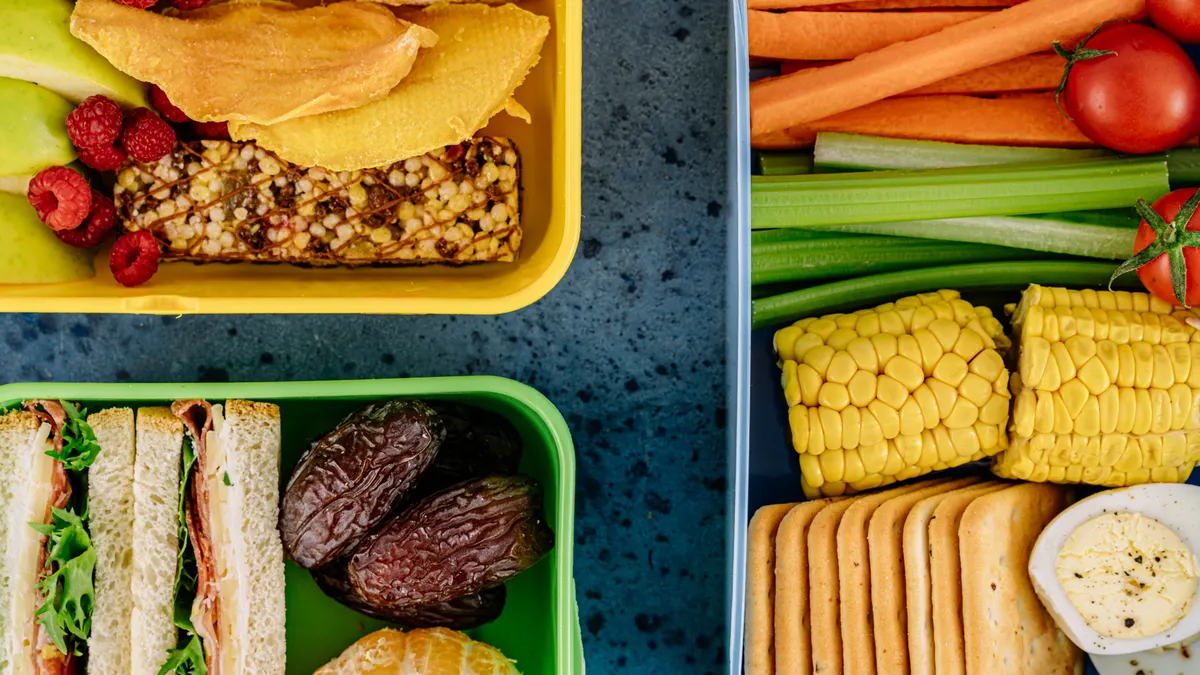
A late lunch changes the order of eating, not just the amount of food. When a child eats 1 to 2 hours after most classmates, the lunch has to survive that delay in both appetite and texture. The main mistake is packing something that looks fine at 7 a.m. but feels dull by noon because the easiest part got eaten earlier.
Three problems show up at once: the child is hungrier by lunch, the food has had longer to sit, and part of the lunch may already be gone by the time the tray opens. So the box should not be one loose pile of food. It should work in layers.
This is the place to point toward the broader lunchbox timing and freshness hub. Timing changes what belongs in the box and what does not. This article stays on the packing side: how to divide food, how much to send, and how to make the lunch still feel worth opening after a long wait.
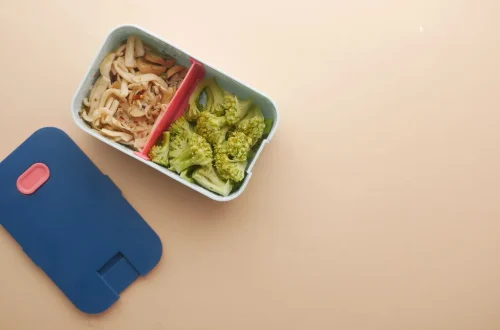
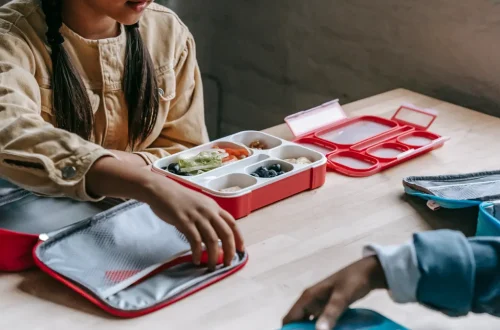
One practical standard helps here: use a lunchbox with at least 2 compartments or 2 small containers, plus a water bottle. That gives the food a simple structure, and structure matters when the lunch has to hold up for several hours. The lunchbox does not need to be large; it needs to be divided well. Plainly, chaos in a box is still chaos.
Start with a snack-first portion, then pack the real lunch
Start by packing a small, easy first bite separately from the main lunch so the child can eat in stages. For many kids who eat late, that means a snack-sized item in one container and a fuller meal in another, rather than one oversized sandwich and a pile of extras.
- Put the first-eaten item in the most accessible container. A piece of fruit, a small sandwich half, or a plain cracker-and-cheese portion works well because it can be eaten quickly and does not demand utensils. The result should be a food the child can finish in a few minutes if lunch is delayed again.
- Pack the main lunch as a second wave. Put the stronger protein or larger sandwich portion in a separate compartment or reusable container so it stays intact until the child is ready for a real meal. A child who eats late should see a lunchbox that feels like two eating moments, not one rushed one.
- Add one “backup” item that travels well. A granola bar, pretzels, or a second piece of fruit gives the lunch staying power without making it heavy. The lunch should still look substantial after the first item is gone.
- Keep wet and dry foods apart. If the child’s lunch includes yogurt, apple slices, or hummus, the lunchbox should not let those touch bread or crackers. When this step works, the sandwich is still edible at noon instead of softened into a mess.
This snack-first strategy is not ideal for every child. It can be wrong for a child who hates eating in pieces and wants one clear lunch moment. It is also a poor fit if the school already gives the child an early, reliable lunch window. In that case, a simpler single meal may work better. Honest trade-off: convenience versus flexibility.
How much food to pack when lunch comes late
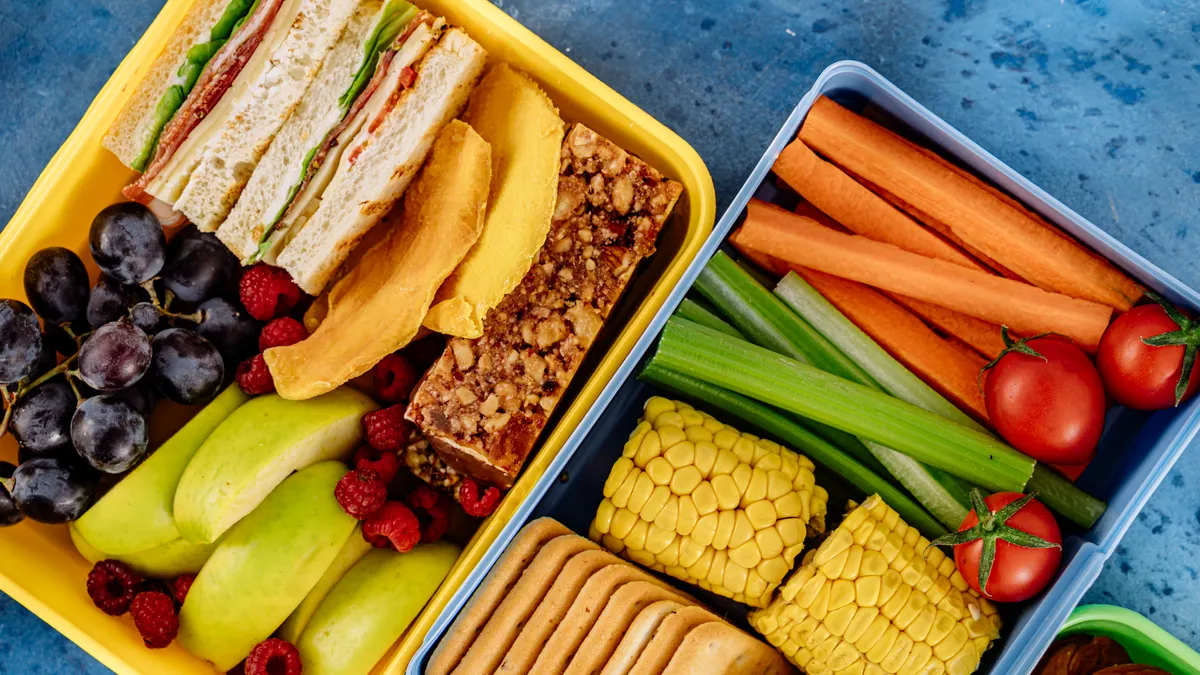
Pack a little more than a standard lunch, but not enough to replace breakfast and dinner with a giant lunchbox. The point is to bridge a longer gap, not to create a second breakfast. A late lunch usually needs one extra item, or a slightly larger main portion, because the child may be hungrier when the tray opens.
Use the child’s usual lunch as the baseline, then add one item such as:
- an extra half sandwich
- a second fruit portion, such as an apple and a clementine
- a small side with staying power, like cheese, nuts if allowed, or roasted chickpeas
- a larger drink, usually a water bottle
If the lunch is always late by a predictable amount, the extra food should be regular, not random. A child who eats at the end of the lunch period will do better with a lunch that is built to be finished, not one that leaves them hunting for more food later. That math stops working fast.
One useful way to think about it: make the lunchbox look complete even after the first snack is eaten. If the child opens the box and sees only a few lonely items, the lunch feels small before they even start. If they open it and still see a sandwich, fruit, and another bite, the lunch feels like a real meal.
This is also where common packing mistakes show up. Too little food leaves the child hungry by afternoon. Too much food can come back untouched because the lunch felt too big to finish in the time available. A slightly fuller lunchbox beats a dramatically oversized one.
Keep late lunches appetizing without making them complicated
Keep the lunch appetizing by protecting texture first. Soggy bread, bruised fruit, and warm cheese are the main reasons a late lunch starts looking unappealing before the child gets to it.
The simplest fix is to build contrast. A sandwich can work if the wet parts stay contained. Fruit works better if it is firm or cut in a way that resists mush. Crackers, pretzels, and pita chips can stay crisp longer than soft breads. A lunchbox with a rigid shell and separate snack containers helps here because the foods are less likely to get crushed.
Use these packing habits:
- Put sauces in a small sealed container instead of in the sandwich.
- Keep apples, berries, or grapes in a separate snack container.
- Wrap sandwiches tightly so they do not dry out in the first hour.
- Choose foods with low drama: cheese cubes, sliced turkey, mini wraps, hard-boiled eggs if the child eats them, or sunflower-seed butter sandwiches where school rules allow.
A late lunch is not the best place for foods that depend on perfect texture. Thin crackers, stacked chips, or delicate pastries can arrive looking sad. That does not mean they are banned; it means they are a weak default choice for a lunch that has to wait. I’d skip them unless there’s a good reason not to.
The clearest trade-off is this: the more fragile the food, the more planning it needs. If there is no time for separate containers or careful wrapping, pick sturdier foods instead. A boring lunch that gets eaten is better than a pretty lunch that comes home untouched.
What to put in the lunchbox when the wait is long
Use foods that can survive a long gap, stay pleasant after being handled, and still look like lunch at the end of the day. A sandwich or wrap, fruit, a crunchy side, and water are usually a dependable late-lunch lineup.
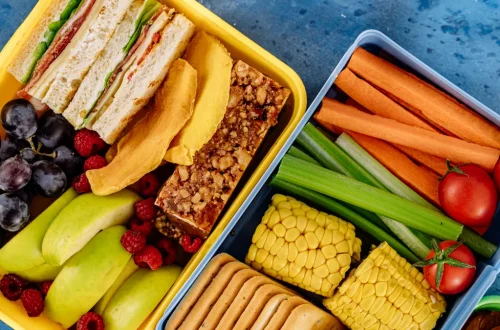
A practical lunchbox build can look like this:
- Main item: half a sandwich or small wrap
- Second item: fruit in a snack container
- Side item: crackers, pretzels, or trail mix if allowed
- Extra: cheese sticks, yogurt pouch, or another small protein
- Drink: water bottle
That combination works because it spreads risk. If the sandwich is less exciting by noon, the fruit and crunchy side still give the child something appealing to eat. If the child is especially hungry, the second protein or extra fruit keeps the meal from feeling thin.
This is also where a lunchbox with snack containers earns its keep. Separate containers are not just tidy; they let the lunch be eaten in any order. Some children eat fruit first, some save it, and some need the crunchy item to get started. The box should allow that without everything mixing together.
One thing to leave out of this page: methods for keeping food cold without a fridge, or deep freshness strategies for food that has to stay untouched for very long periods. Those belong elsewhere. Here, the focus is on making the lunch sensible for a late eater, not solving every temperature problem.
Should the lunch be eaten in parts?
Yes, for many kids, a late lunch works best when it is designed to be eaten in parts. A split lunch works especially well when the child has a long morning, a short lunch period, or a habit of losing interest once they are very hungry.
The pattern is simple. Put a smaller, easy-to-open item first and the main meal second. That lets the child start eating right away if the lunch period is late, then finish something more substantial once they settle in. A child who eats in parts often needs less pressure and fewer choices in the moment.
This approach is not for every child. Some children want one complete meal and dislike being told to “save the rest.” For those kids, the better move is to pack one lunch that is clearly substantial from the start, with no obvious separation. The wrong format can make lunch feel like a chore.
If the school allows it, the split can also reduce lunchtime stress. A child can finish the first piece quickly, then return to the rest when they have time. That is useful when the lunch line, classroom transitions, or noisy cafeteria setting eats into the period itself.
The test is simple: if the child regularly comes home with the last half of lunch untouched, the food likely needs a stronger snack-first structure. If they eat everything quickly and still seem hungry, the lunch probably needs more substance, not more pieces.
Water bottle, timing, and the small details that matter
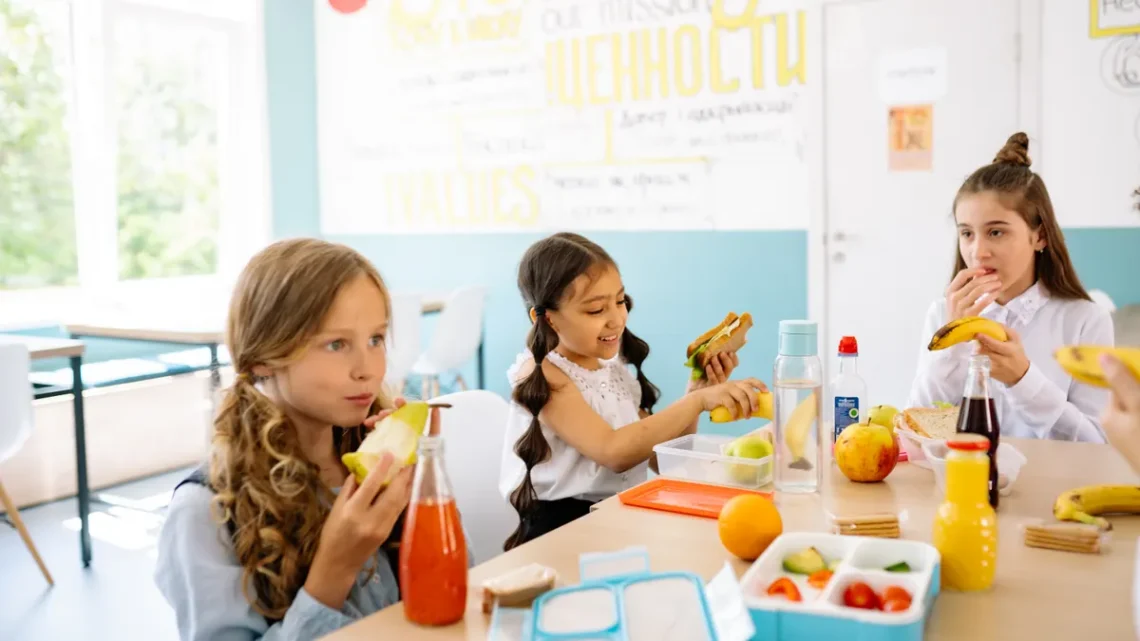
Pack a water bottle every day because hunger and thirst blur together when lunch is late. A child who has waited a long time may feel “starving” when they are really dry, tired, or both. Water also helps a long lunch feel more complete, especially if the meal includes salty or crunchy foods.
The bottle does not need to be fancy. A simple refillable bottle that fits the backpack or lunchbox is enough. What matters is that it is easy to open, easy to close, and full enough to get the child through the school day. If the lunch is especially dry — sandwiches, crackers, pretzels — water matters even more. Just plain practical.
A few timing details help too:
- Pack the most appealing item where it will be seen first.
- Keep the lunch sequence predictable so the child knows what to expect.
- Send foods the child can eat without extra cleanup if lunch time is short.
- If the school has a pattern to the delay, build the lunch around that pattern instead of guessing.
The main judgment here is simple: late lunch packing should reduce friction. If the lunch requires too much peeling, dipping, opening, or rearranging, it starts losing appeal before the child gets to it.
For a wider look at timing and freshness together, the hub on lunchbox timing and freshness can sit alongside this page. This article’s job is narrower: make the lunch feel like enough food, in the right order, after a long wait.
What foods hold up when lunch is eaten late?
Sturdy, familiar foods hold up best when lunch is eaten late. A sandwich or wrap, firm fruit, cheese, crackers, and a water bottle are easier to manage than soft or fragile foods that go limp fast.
Late lunches are not the right place for every favorite. Delicate pastries, thin chips, and foods that depend on perfect texture tend to disappoint after a few hours. A child who eats late usually does better with plain, dependable foods than with a lunch built around one fragile item.
Should I pack a bigger snack for late lunch times?
Yes, a bigger snack often helps when lunch happens late. The safest move is to make the first-eaten item slightly more substantial so the child is not running on fumes before the main meal. That might mean a half sandwich, cheese and crackers, or fruit plus a protein side.
How do I stop food from getting unappetizing by lunchtime?
Protect the texture and separate the wet foods. Put sauces in small containers, wrap sandwiches tightly, and keep fruit and crunchy items apart. A lunchbox with at least 2 compartments helps, because once bread, juice, or yogurt leaks into everything else, the whole lunch looks less worth eating.
For more guidance, see the USDA Food and Nutrition Service on school meals and the CDC on healthy school lunches. Both are useful reference points when deciding how much food, water, and structure a lunchbox needs.
Drafted with AI; not yet reviewed by a person.