Last updated: October 20, 2026
Key Takeaways
- Foods packed the night before work best when they stay safe in the fridge for 10 to 12 hours and in a lunchbox for 4 to 6 hours.
- Reliable picks include pasta salad, wraps, browning-resistant fruit, crisp vegetables, muffins, and cold protein snacks.
- A quick 5-minute routine works: separate wet and dry parts, pack sturdy items first, and place delicate foods on top.
- Stable lunchbox foods include short pasta, rolled wraps, whole fruit, cut vegetables, mini muffins, and protein snacks that do not need reheating.
The best foods to pack the night before for a kids lunchbox are the ones that stay safe, hold their shape, and are easy to eat cold or at room temperature: pasta salad, wraps, fruit, vegetables, muffins, and protein snacks. If the lunchbox has to be ready before 7 a.m., the practical question is not “what sounds healthy,” but “what still tastes like lunch after an overnight rest.”
What makes a night-before lunch food actually work
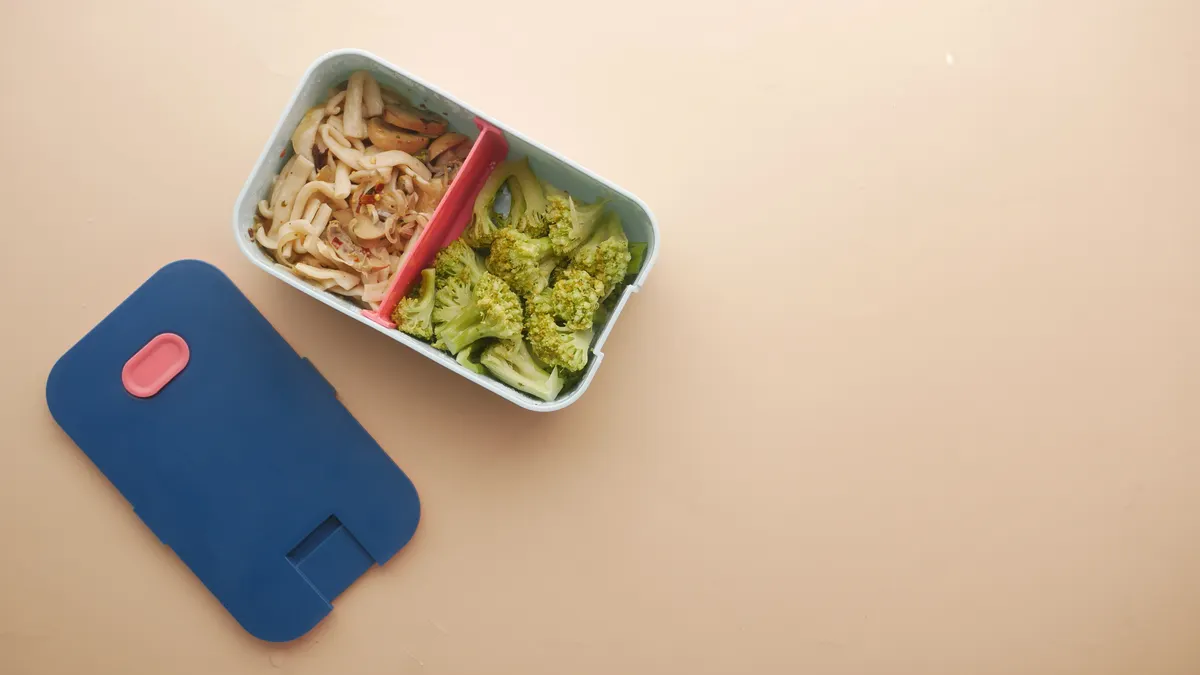
Night-before lunch foods work when they stay edible after 10 to 12 hours in the fridge and 4 to 6 hours in a lunchbox. The right picks are sturdy, low-drip, and easy to portion without morning chaos.
That means I look for foods with at least one of these traits:
- They taste fine cold.
- They do not collapse into mush after sitting overnight.
- They can be assembled from dry and wet parts kept separate until packing time.
- They are easy to eat with small hands, a fork, or 1 napkin.
This is why a pasta salad beats a saucy pasta bake for overnight packing, and why a cut apple beats a juicy fruit salad that leaks into everything else. It also explains why some foods that are great at dinner are poor lunchbox choices the next day. A child is usually not eating at a table with a knife and fork, and that matters more than flavor theory.
The other test is mess. Food that needs constant cleanup, extra refrigeration time, or a heat-up step is a bad candidate for the night before. This page focuses on the safest, least fussy options to assemble ahead of time, not every lunch idea that exists. For broader timing and freshness rules, the hub on lunchbox timing and freshness is the better next stop.
If the goal is fewer 6:30 a.m. decisions, the most useful night-before foods are the ones that can be portioned in 2 to 3 minutes and still look decent at noon.
What are the best foods to pack the night before for kids lunchbox?
The best foods to pack the night before for a kids lunchbox are pasta salad, wraps, fruit that resists browning, crisp vegetables, muffins, and protein snacks that are designed to be eaten cold. Those categories cover most lunchbox needs without depending on last-minute heating or delicate textures.
Here is the short version of what belongs in each group:
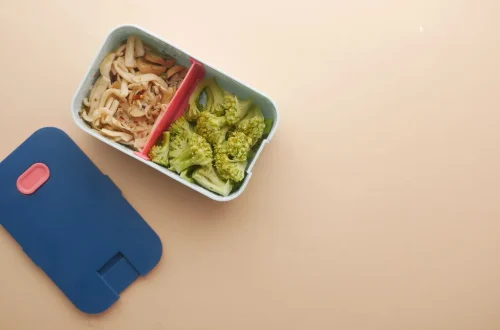
- Pasta salad: Use short pasta such as fusilli, penne, or bowties. They hold dressing better than long noodles and are easier for kids to spear or scoop.
- Wraps: Tortilla wraps stay neat if the filling is drier and the wrap is rolled tightly. Hummus, turkey, shredded cheese, or cream cheese-based fillings work better than runny sauces.
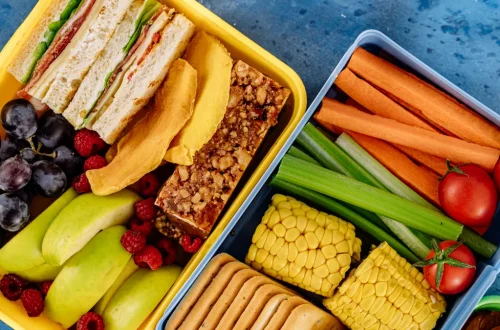
- Fruit: Grapes, berries, orange segments, pineapple chunks, melon cubes, and apple slices with a little lemon juice travel well overnight.
- Vegetables: Carrot sticks, cucumber spears, bell pepper strips, sugar snap peas, and cherry tomatoes hold texture better than leafy salad greens.
- Muffins: Savory or lightly sweet muffins pack neatly and need no reheating. Mini muffins often fit better in lunchboxes than full-size ones.
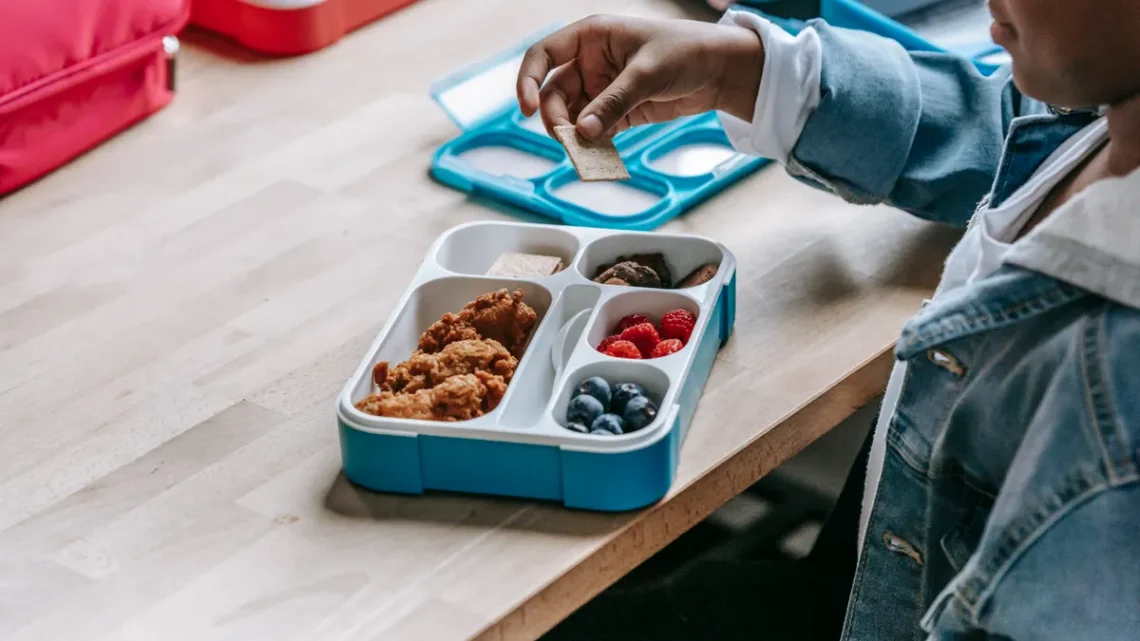
- Protein snacks: Cheese cubes, hard-boiled eggs, roasted chickpeas, edamame, jerky-style snacks, and yogurt pouches are common cold options, though some are better for older kids than younger ones.
The trade-off is texture. The sturdier the food, the better it survives overnight, but the less “fresh-cooked” it may feel. A wrap with a juicy tomato slice is more appealing at 8 a.m. and less appealing by lunch if it gets soggy. A fruit cup with soft peaches is easier to eat than a crisp apple, but it can slump faster in the box.
The best choice depends on the child. A child who eats everything with a fork can handle pasta salad and chopped vegetables. A child who prefers snack-style lunches may do better with a muffin, fruit, and a protein snack.
How do I build an overnight lunchbox without soggy food?
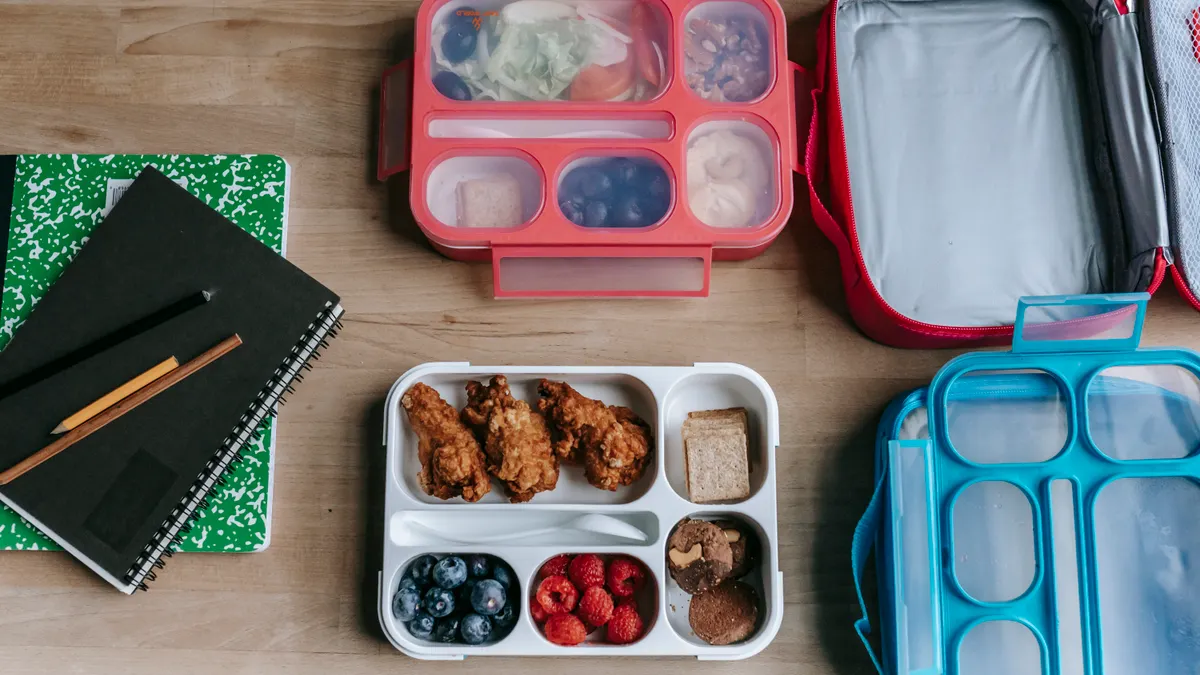
Build it in 5 minutes by separating wet and dry parts, lining up the sturdier items first, and packing the most delicate food on top. That order keeps the lunchbox usable after a night in the fridge and a morning in a backpack.
- Choose 1 main item and 2 sides. Start with one anchor, such as a wrap half or 1 cup of pasta salad, then add fruit and vegetables. A 3-part lunch is usually easier to balance than a box full of small bites.
- Put moisture management first. Dry foods like muffins, cheese cubes, crackers, or sliced cucumbers should not sit under juicy fruit or dressed pasta. If a food releases liquid, use a small sealed container.
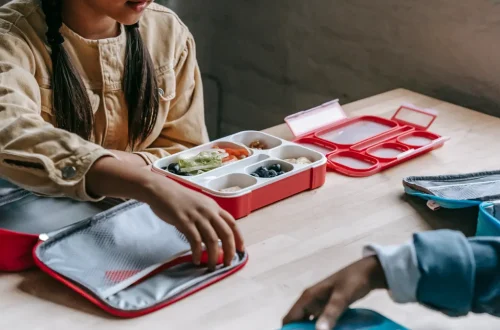
- Use 2 containers when needed. A lunchbox with a 1-compartment main area and a 4-ounce or 6-ounce leakproof cup for fruit or dip is simpler than trying to make one container do everything.
- Pack cut fruit with a barrier. Apple slices, pear slices, or bananas do best with a little citrus, then a tight lid. Put them beside dry snacks, not directly against bread or muffins.
- Keep wraps and sandwiches tightly rolled or sealed. Wrap them in parchment or foil before placing them in the box. That keeps them from opening and losing shape overnight.
- Chill before bed if the food needs it. Cold food goes into the fridge immediately after assembly. That overnight chill is what makes the next morning fast.
The point is not perfection. It is reducing the number of things that can go wrong between bedtime and lunchtime. A lunchbox packed in containers that match the food is less likely to turn into a mushy, mixed-up mess.
One useful rule: if a food already feels wet in the bowl, it will usually feel wetter by noon. Put that food in its own compartment or choose something drier.
Which make-ahead lunch items hold their texture overnight?
The best make-ahead lunch items are the ones with a stable structure: short pasta, rolled wraps, whole fruit, cut vegetables, mini muffins, and protein snacks that do not need reheating. These items hold texture because they are not dependent on crisp leaves or crusty bread.
A few practical examples:
- Pasta salad: Best when the pasta is cooked to just tender, cooled completely, and dressed lightly. Heavier sauces can work, but a vinaigrette-style dressing usually keeps the texture cleaner.
- Wraps: Best when fillings are low-moisture. Chicken salad, tuna salad, and wet salsa fillings are more likely to seep. A tortilla that is tightly rolled can last overnight without falling apart.
- Fruit: Best when the fruit is firm or naturally protected by skin, such as grapes or clementine segments. Berries are useful but softer, so they should be packed in a rigid container.
- Vegetables: Best when cut into sticks or spears. These shapes are easier to grab and less likely to flatten than thin slices.
- Muffins: Best when the recipe is not overly wet in the middle. Banana muffins and savory egg muffins are popular because they are built for grab-and-go eating.
- Protein snacks: Best when they are already portioned. Cheese sticks, egg halves, chickpeas, or small nuts for older kids can fit into a lunchbox without extra prep.
The main drawback is repetition. A night-before routine can become boring if every lunch looks the same. Rotating the form helps: pasta salad one day, wrap the next, muffin-and-snack box after that. The food categories stay the same, but the lunch feels different.
A food that holds texture overnight is not always the most exciting food at noon. That is the trade-off. The goal here is reliability first, novelty second.
What should I prep the night before versus in the morning?
Prep the parts that need the most washing, cutting, or cooling the night before, and leave the final assembly or temperature-sensitive items for the morning if they change quickly. That split keeps the lunchbox fast without turning the whole meal limp.
Here is the cleanest divide:
Night before
- Wash and dry fruit and vegetables.
- Cook pasta and cool it fully.
- Portion muffins, cheese, and protein snacks.
- Roll wraps and refrigerate them.
- Make dip portions, such as hummus or yogurt-based dip, in small containers.
Morning
- Add anything that bruises fast, such as banana slices, if needed.
- Toss in ice packs.
- Move the lunchbox straight to the backpack or cooler.
- Add napkins, utensils, or a note.
This is especially useful for foods that are more stable as components than as fully built lunches. A wrap is better rolled and chilled than sitting open in the fridge. Fruit stays better when cut and stored in a separate cup instead of mixed into a larger salad. A muffin stays cleaner if it is wrapped only after it has cooled.
The morning job should take under 2 minutes. If it takes longer than that, the lunch is too complicated for a school-day routine. That is a clue to simplify the menu, not to wake up earlier.
This is also where prepped components shine. A container of cut vegetables, a small tub of hummus, and a mini muffin can become a complete lunch with almost no assembly. That style works well for kids who like to graze instead of eat one sandwich at a time.
Which foods are the safest and least messy to assemble ahead of time?
The safest and least messy foods are the ones that stay out of the danger zone only when kept cold and that do not leak, crumble, or smear easily. For a home lunchbox routine, that usually means sturdy cold foods in sealed containers, plus an ice pack if the lunch will sit unrefrigerated for several hours.
A good make-ahead list looks like this:
- pasta salad in a tight container
- wrap halves wrapped in parchment or foil
- grapes or apple slices in a rigid cup
- carrot sticks, cucumber spears, or pepper strips
- mini muffins in a separate compartment
- cheese sticks or egg portions in a small lidded box
The least messy foods are usually the simplest foods. A plain wrap is less chaotic than a wrap packed with watery tomatoes and dressing. A banana is more convenient than a fruit salad with three kinds of juice in the bottom of the container. A muffin is neater than a frosted cupcake.
There are a few foods I would not choose for overnight packing if the goal is minimum mess:
- leafy salads without a separate dressing cup
- bread with very wet fillings
- sliced tomatoes piled directly onto bread
- chips mixed into a moist sandwich
- sliced bananas unless they are packed with a plan for browning
That last point matters because the best overnight lunch food is not the one that looks prettiest at bedtime. It is the one that still looks and tastes acceptable 12 hours later.
The foods on this page are useful for different reasons, but they share one thing: they can be packed once and eaten later without much damage. That is the whole advantage of a night-before system.
What mistakes ruin night-before lunch foods?
The biggest mistake is packing wet and dry foods together and expecting them to stay separate until lunch. That usually costs texture, which is the first thing kids notice. Bread gets damp, crackers soften, and muffins pick up fruit juice if they sit too close.
Other common mistakes are easy to avoid:
- Overfilling wraps. A stuffed wrap splits more easily overnight. Use a moderate filling and roll tightly.
- Cutting fruit too far in advance without a lid. Exposed fruit dries out, browns, or leaks. Use a sealed container.
- Packing food before it cools. Warm food sweats inside the box and creates condensation. Let pasta and cooked items cool completely first.
- Using a weak container. Thin plastic tubs can pop open in a backpack. A latch-style container or a firm screw-top cup is safer for liquids.
- Making too many textures depend on one sauce. Once the sauce leaks or dries, the whole lunch feels off.
The cost of these mistakes is not just mess. It also makes the lunch less likely to be eaten. A child who opens a soggy wrap or brown fruit cup may skip it and come home hungry.
The better move is to simplify. Pack fewer components, use containers with a real seal, and choose foods that can survive a few hours without losing their shape. That is a more reliable system than trying to make every lunch look like a bento photo.
For a full school-day freshness strategy beyond these make-ahead choices, the lunchbox timing and freshness hub should handle the next layer of planning.
What lunch foods stay good overnight?
Foods that stay good overnight are usually dense, low-drip, and comfortable at room temperature after chilling. Pasta salad, wraps with dry fillings, firm fruit, crisp vegetables, mini muffins, and simple protein snacks are the most reliable choices. The more water a food sheds, the less likely it is to keep its texture by lunchtime.
Can I pack fruit the night before?
Yes, fruit can be packed the night before if it is chosen and stored well. Grapes, clementines, berries, melon, and apple slices in a sealed container are the easiest options. Soft fruit should go into a rigid cup so it does not get crushed, and cut apples may need a little citrus to slow browning.
What should I avoid packing the night before?
Avoid foods that get soggy, leak, or brown fast when they sit for hours. That usually includes wet sandwiches, leafy salads without separate dressing, foods with loose sauces, and anything that needs crispness to stay appealing. If a food already looks fragile at bedtime, it is usually a poor overnight lunch choice.
Drafted with AI; not yet reviewed by a person.