Last updated: October 22, 2026
Key Takeaways
- Night-before prep handles the choices so morning packing is just assembly.
- A fixed 6-item checklist and the same counter order make the routine easier to repeat.
- Each lunch item should have one clear job to keep packing from dragging on.
- The main mistake is packing from memory instead of a checklist, which leads to time lost checking other rooms.
Packing lunch fast in the morning means making How to Pack Lunch in the Morning Fast Without Forgetting Anything so simple that you can finish it in a few minutes without missing the lunchbox, ice pack, sauce container, or water bottle. The trick is not speed alone; it is removing decisions, lining up the gear, and using the same order every day.
The fastest way to pack lunch without forgetting anything
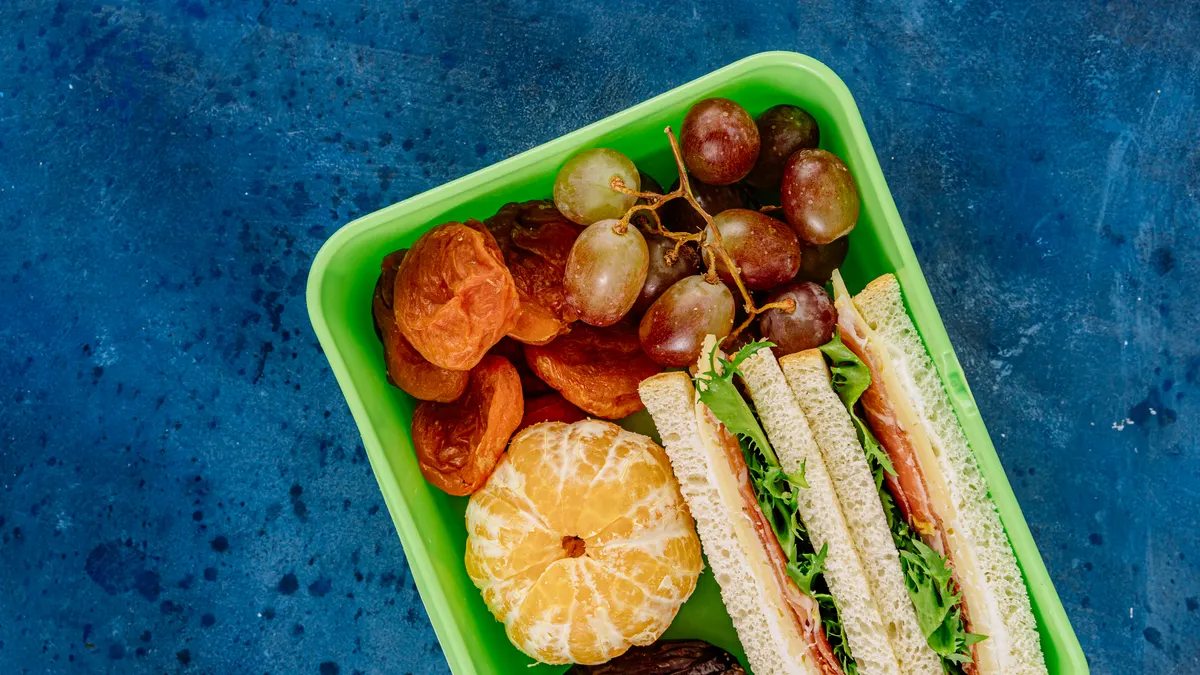
The fastest way is to pack in the same order every morning: grab the lunchbox, add the main food, add sides, add the sauce container, add the ice pack if you use one, close the lunchbox, put in the water bottle, and move everything into the insulated lunch bag by the door. That routine works because it turns packing into a checklist instead of a memory test.
-
Set out the lunchbox and bag in one place the night before.
Put the lunchbox, insulated lunch bag, water bottle, and any reusable containers on the counter or table before bed. When they are already visible, you do not waste 30 seconds hunting through drawers while a child is waiting at the bus stop. -
Pack the non-messy parts first.
Put in the main lunch items and dry sides first, such as a sandwich, crackers, fruit, or a snack container. The lunchbox should look partly filled before you add anything loose, because that makes it easier to see what is missing. -
Add the sauce container next.
Set the sauce container in its own spot before the lunchbox is closed. Small containers are the item most likely to disappear into a fridge drawer or get left on the counter, so giving them a fixed place saves time. -
Place the ice pack where it belongs.
Put the ice pack flat on top of, or beside, the packed food according to your lunch bag layout. The goal is simple: when the bag is zipped, the ice pack is already there and not still in the freezer. -
Close the lunchbox, zip the insulated lunch bag, and attach the water bottle.
Once the lid is shut, move the entire set together. If the water bottle stays separate, it is the last thing forgotten. Keeping it next to the bag cuts that risk. -
Do a 5-second hand scan before you walk away.
Look for five items: lunchbox, ice pack, sauce container, water bottle, and lunch bag. If all five are in front of you, the routine worked. If one item is missing, fix it immediately instead of trusting your memory.
That order matters because speed comes from reducing backtracking. A routine that takes 4 minutes and follows the same sequence is usually faster than a “quick” routine that requires three trips to the fridge and one search for lids.
What should be ready the night before?
The night-before prep should do the decision-making so the morning only requires assembly. Keep the lunchbox, lunch bag, ice pack, sauce container, and water bottle together in one spot, and pre-fill only the pieces that do not need morning judgment.
The best setup is a small launch zone, or at least a compact one. A basket, bin, or low shelf near the fridge can hold the lunchbox and related gear. If the lunchbox lives on the counter and the water bottle lives in the kid’s backpack pocket, morning packing becomes a scavenger hunt. If everything sits together, the routine stays short.
Use the night before for these jobs:
- Wash and dry the lunchbox and sauce container if they were used that day.
- Put the ice pack in the freezer so it is ready in the morning.
- Refill the water bottle if that is part of your routine.
- Set out the lunch bag open, with room for the lunchbox.
- Decide what goes in the lunchbox so you are not inventing a menu at 7:10 a.m.
This is also the time to make the morning version easier by portioning anything that can be divided ahead of time. Fruit in a container, crackers in a snack box, or a measured sauce portion in a leakproof sauce container takes less than 1 minute to move in the morning. A single prepped component can save the kind of delay that comes from opening a cabinet, changing your mind, and closing it again.
The trade-off is obvious: night-before prep adds a few minutes at night. For a household that is already stretched thin after dinner, that can feel like one more chore. It is still worth it if mornings are the problem, because it turns a rushed 7-minute scramble into a 2- to 4-minute assembly job.
This is the section that keeps the morning routine from collapsing. It also pairs well with the broader hub on lunchbox timing and freshness, if that is the page you are building out.
How do you make the morning routine repeatable?
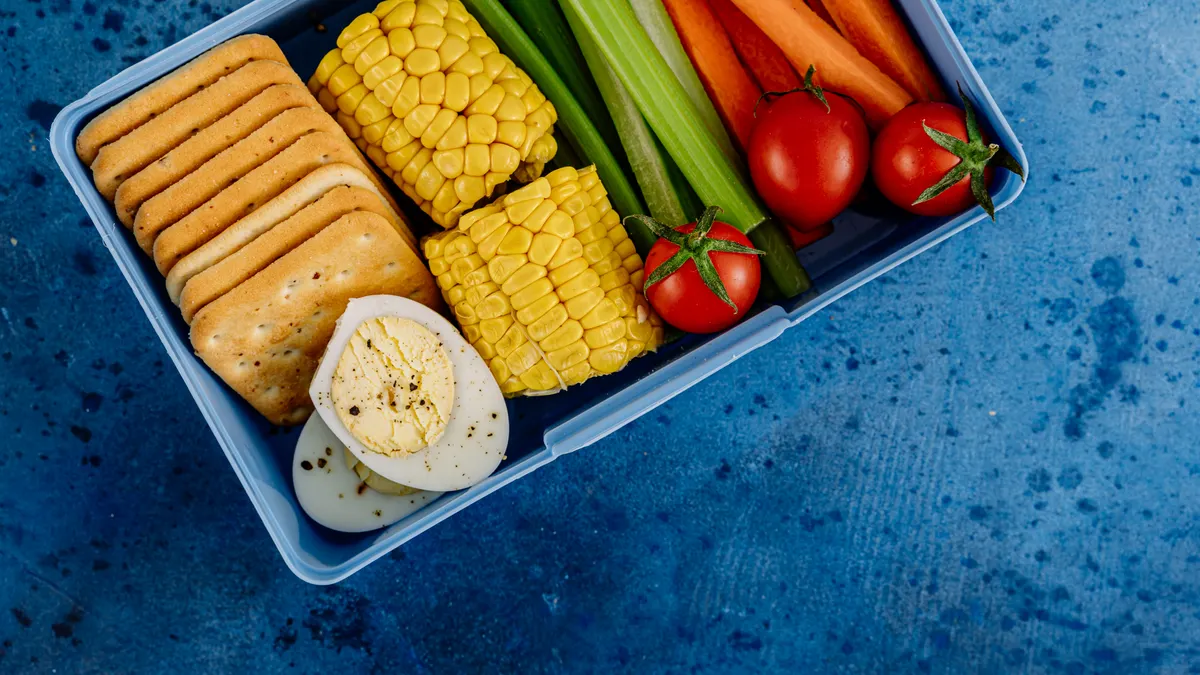
You make the morning routine repeatable by using the same 6-item checklist every day and putting each item in the same physical order on the counter. Repetition beats improvisation here, especially when the window is only 10 minutes.
A repeatable routine usually looks like this:
- Lunchbox
- Main food
- Side food
- Sauce container
- Ice pack
- Water bottle
That list is short on purpose. A longer list gets ignored. Six items is enough to catch the common misses without turning the morning into paperwork.
Use one visual cue. For many families, that means the lunchbox sits leftmost on the counter, the water bottle sits rightmost, and the ice pack waits in the freezer door. If the layout never changes, your hands start to move before your brain finishes waking up.
A repeatable routine also depends on not changing containers every week. If one day the sauce container is a tiny round tub and the next day it is a square lid with a snap top, the routine becomes slower. One standard container shape is better than five options. The same is true for the insulated lunch bag: one bag, one home, one place to zip shut.
If a child helps, give that child one job, not three. A school-age child can often carry the water bottle to the backpack or put the lunch bag by the door. A child who is asked to “help pack” usually slows the process unless the steps are very specific.
The main drawback of a repeatable routine is that it feels less flexible. That is the point. A routine that changes every day is not really a routine, and morning speed depends on habits that do not ask for fresh thinking before coffee.
What the lunchbox, ice pack, sauce container, water bottle, and insulated lunch bag each do
Each item has one job, and using it for that job keeps the morning from running long. The lunchbox holds the food, the sauce container keeps condiments from leaking, the ice pack supports temperature control in the bag, the water bottle stays separate, and the insulated lunch bag keeps the whole set together.
The lunchbox should be easy to open and close fast. If the lid fights you every morning, you lose time before the food is even inside. A lunchbox with a simple latch is usually less annoying than a lid that needs careful alignment at 7 a.m.
The sauce container earns its place because sauce packed loose is a mess and sauce forgotten entirely is a complaint waiting to happen. A small leakproof container is faster than trying to balance a condiment cup inside a napkin fold or a sandwich wrap.
The ice pack belongs in the freezer, not on the counter, so the morning choice is only whether it goes into the lunch bag. If you keep it next to the lunchbox instead, it can get left behind. That is a classic “I’ll remember it” mistake that fails on busy mornings.
The water bottle should usually be treated as part of the lunch set rather than a separate item, but families can check with a pediatrician, school nurse, or other qualified professional if they want advice tailored to a child’s day and hydration needs. If you put it in the backpack first and pack lunch later, you create two departure points and two chances to forget something. The CDC’s guidance on healthy hydration is a useful reference point for families thinking about daily water needs.
The insulated lunch bag is the carry system, not extra decoration. It gives the lunch a single home and keeps the whole set easy to grab. A bag with a single zip or wide opening is easier to pack quickly than one with deep pockets and loose inserts.
One honest limitation: this setup is built for speed and repeatability, not for solving every freshness or food-safety question. Those are different jobs. The FDA and USDA both have general guidance on safe food handling and packing cold foods, which is useful if you want to go beyond a speed-first routine.
The 3 mistakes that slow you down the most
The biggest mistake is packing from memory instead of from a checklist, and that costs time because you keep stopping to check the fridge, the drawer, or the backpack. Use a fixed 5-second scan instead. The lunchbox method works when the items are visible, not when they are hidden in different rooms.
The second mistake is packing the smallest items last. Sauce containers, napkins, and ice packs are the things people forget because they look minor. Pack them in the same order every time, before you carry the bag away from the counter. That one shift usually prevents the last-minute dash back to the freezer.
The third mistake is letting lunch gear spread across the kitchen, car, and backpack. That costs more than a minute because you are solving a location problem before you are solving a packing problem. Keep the lunchbox, insulated lunch bag, water bottle, and ice pack in one launch zone. One shelf or one bin is enough.
A fourth mistake shows up when the lunchbox is overfilled. A stuffed lunchbox is slower to close, slower to check, and easier to forget because you are wrestling with the lid instead of following the routine. Leave just enough room for the lid to shut without pressure.
Another time-waster is trying to invent a different packing order every day based on what is left in the fridge. That sounds efficient, but it usually slows the morning down. A standard assembly order is faster than optimization.
If a morning keeps going off the rails, the problem is usually not the lunch food itself. It is the system. A plain routine with a short checklist beats a “better” routine that changes every day.
A school-day grab-and-go setup that actually holds up
A good grab-and-go setup means the lunch leaves the house in one motion, not in three separate trips. Put the packed lunchbox into the insulated lunch bag, zip it, put the water bottle beside it or in the designated pocket, and place the whole set by the exit door or backpack hook.
The best spot is the one the child passes on the way out, or one very close to it. A countertop across the kitchen usually fails because people walk past it while talking, zipping coats, or looking for shoes. A hook, bench, or low shelf near the door works better because it is hard to miss.
Here is the setup that saves the most time:
- Lunchbox packed and closed
- Sauce container inside or beside it
- Ice pack already in the lunch bag
- Water bottle attached or staged with the bag
- Lunch bag placed directly next to the backpack
That arrangement keeps the morning from splitting into separate tasks. The child grabs one bundle, not four loose objects. If the lunch bag and backpack sit together, nothing gets left on the counter as the family moves toward the door.
For families with multiple children, label each lunch bag or use different colors. A plain label can prevent a wrong-bag handoff when two lunchboxes look similar. That is not a style choice; it is a speed choice.
The trade-off is storage space. A grab-and-go station takes a corner, a bin, or a hook. If the kitchen is very tight, the system may need to live in a hallway nook or mudroom instead. The best setup is the one that still works on a chaotic Wednesday, not the one that looks tidy on Sunday night.
When this routine works best — and when it does not
This routine works best for busy school mornings when the lunch content is fairly predictable and the goal is to get out the door in under 10 minutes. It is less useful for households that change lunch plans constantly or need a different setup every day.
If the lunchbox contents are decided from scratch each morning, speed will suffer. The routine is built for repeatable school-day packing, not for creative menu planning at 7:00 a.m. In that case, the missing piece is not a faster hand; it is more night-before prep.
It is also a poor fit if lunch gear is not stored together. If the lunchbox is in one cabinet, the water bottle is in the dishwasher, and the ice pack is buried in the freezer, the routine will still feel slow. The system depends on a single staging spot.
For the reader who wants one thing more than anything else, this is the rule: make the morning look the same every day. Same order, same location, same tools. That is what makes the lunchbox a 2-minute task instead of a daily scramble.
What can be packed the night before?
Most of the lunch routine can be staged the night before, including the lunchbox, insulated lunch bag, water bottle, ice pack, and any sealed sauce container. You can also portion dry items ahead of time so the morning becomes assembly instead of decision-making. The fewer loose parts left for the morning, the faster the routine goes.
How do i avoid forgetting items in the morning?
Use a fixed checklist and place the gear in the same order every day. A 5-second hand scan works well: lunchbox, main food, sauce container, ice pack, water bottle, lunch bag. When the items live in one launch zone near the door, the chance of leaving something behind drops because the routine happens in one visible place.
What should go in the lunchbox first?
The main food should go in first, followed by smaller items and then the sauce container. That order keeps the lunchbox organized and makes the missing pieces easier to spot before the lid closes. If you use an ice pack, pack it after the food and before the lunch bag is zipped so it is not forgotten on the counter.
Drafted with AI; not yet reviewed by a person.