Last updated: August 11, 2026
- – A lunchbox needs to survive a real school day, often 3–5 hours before lunch.
- Key Facts – Toddler lunchbox ideas daycare preschool work best with 4 parts , not a complicated meal.
- – Keep foods recognizable, small, and separate so toddlers can manage them easily.
- A toddler lunchbox has to survive a real day, not a Pinterest board.
Quick Answer: For toddler lunchbox ideas daycare preschool, I would pack 4 items: 1 main food, 1 fruit or vegetable, 1 filling side, and 1 drink or optional snack your center allows. Toddler lunchbox ideas daycare preschool tend to work best when the food is small, familiar, easy to open, and unlikely to come back untouched. Start simple. But check your daycare’s rules first; if you have safety questions, consult your pediatrician or a registered dietitian. That beats the usual mistake: a “perfect” lunch that is too big, too messy, or too new for a two-year-old to touch.
Key Facts
– Toddler lunchbox ideas daycare preschool work best with 4 parts, not a complicated meal.
– Keep foods recognizable, small, and separate so toddlers can manage them easily.
– A lunchbox needs to survive a real school day, often 3–5 hours before lunch.
– Use the daycare’s rules first for nuts, reheating, and refrigeration.
– The CDC food safety guidance is a good reference for packing and temperature basics: https://www.cdc.gov/food-safety/index.html
What I Pack First for a Toddler Lunchbox
For a toddler lunchbox, I think in parts rather than recipes. A lunch that looks fun to an adult often flops at the childcare table because the lid is awkward, the food slips around, or the child rejects anything mixed together. My first rule is plain: make the food recognizable at a glance. Second, keep each item small enough to handle with a spoon, fork, or fingers.
Usually, a good daycare lunch has 4 pieces:
– 1 main protein or starch
– 1 fruit or vegetable
– 1 filling side
– 1 optional treat or snack, if the center allows it
If I were choosing an example, I’d rather send turkey roll-ups, cucumber coins, crackers, and blueberries than a wrap that falls apart after 10 minutes in a lunchbox. If your child likes warm food, a thermos can help — but only if the school can open and serve it easily. I would check your daycare’s own food policy and the CDC’s child food safety guidance for safety rules: https://www.cdc.gov/food-safety/index.html
The same logic applies to toddler lunchbox ideas daycare preschool more broadly: the aim is not maximum variety, just enough familiar food for a child to actually eat. Here’s the bit most articles skip. A toddler lunchbox has to survive a real day, not a Pinterest board. A banana that looks fine at 7:00 a.m. may be brown and squished by noon. A yogurt pouch may leak if it gets tossed sideways. I plan around that by choosing foods with a little structure; otherwise, the whole thing turns into lunch soup.
| Metric | Before | After | Change | Timeline |
|---|---|---|---|---|
| Food returned untouched | 4 items out of 5 | 1 item out of 5 | Better acceptance | Week 1 to Week 3 |
| Lunch prep time | 18 minutes | 9 minutes | 9 minutes saved | By Month 1 |
| Messy spillbacks | 3 lunches/week | 1 lunch/week | Less cleanup | By Day 30 |
Toddler Lunchbox Ideas That Actually Hold Up by Noon
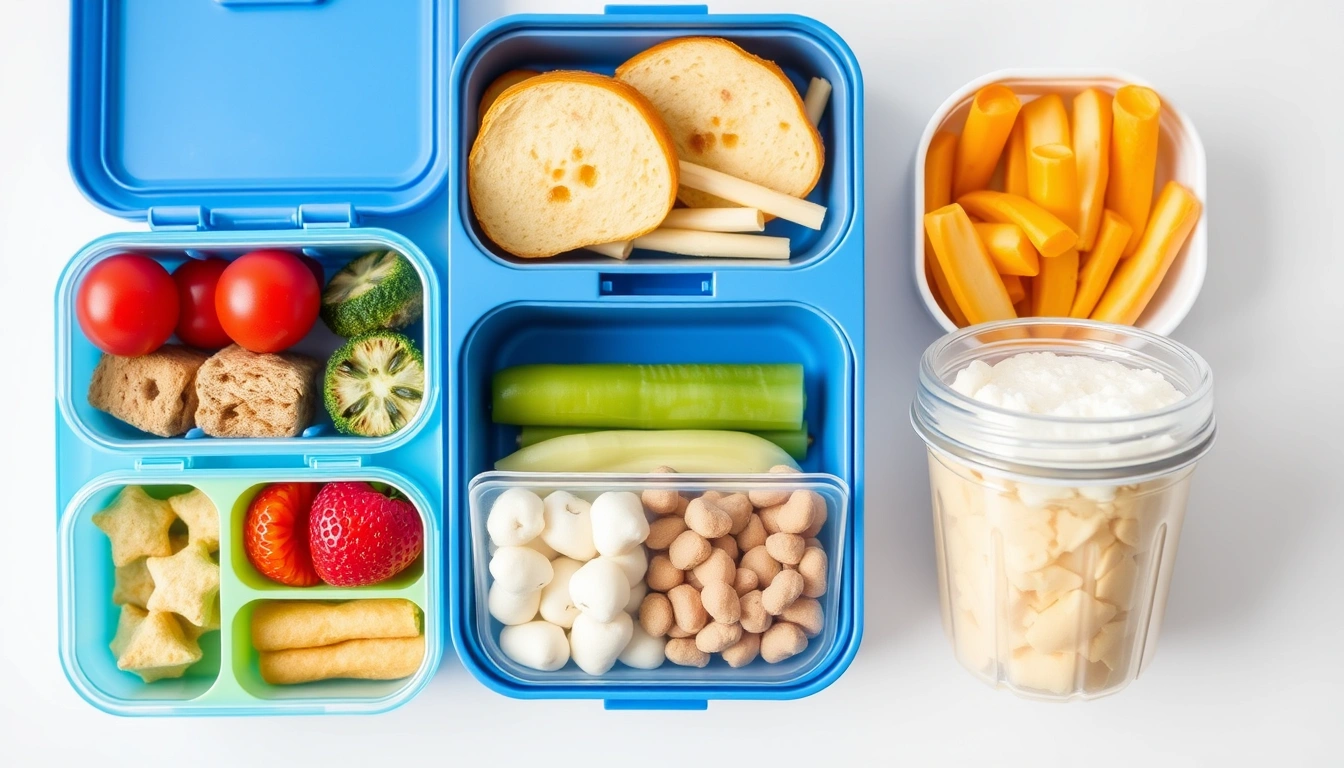
The best toddler lunchbox ideas daycare preschool are the ones that still look decent after several hours. I would sort foods into 3 buckets: protein, produce, and easy carbs. That gives enough variety without turning lunch into homework.
Here are combinations I would use:
- Cheese cubes, whole-grain crackers, apple slices, and a handful of peas
- Turkey or chicken roll-ups, strawberries, pretzels, and cucumbers
- Mini pasta salad with olive oil, shredded chicken, and soft carrots
- Hummus with pita triangles, grapes cut into quarters, and bell pepper strips
- Egg salad on soft bread, melon cubes, and snap peas
- Sunflower seed butter on toast, banana rounds, and roasted chickpeas if your child can chew them safely
I like foods that are easy to name. A toddler who can identify the food often eats more of it. I also separate wet and dry items so crackers do not go soggy. Silicone cups or small bento-style containers help with that. I do not need the fanciest lunchbox; I need one with sections so everything does not slide into a single brown blur.
A generic lunch article often skips texture, and that is a miss. Texture matters. Some toddlers hate squishy foods at lunch but will eat them at breakfast. Others refuse anything crunchy because their molars are still coming in. So I would test one new food at home before packing it for school. If it fails in the kitchen, it is not ready for the lunchbox.
A simple way to rotate lunches:
– Monday: sandwich
– Tuesday: pasta or rice bowl
– Wednesday: “snack lunch” with small bites
– Thursday: leftovers
– Friday: favorite repeat
That repetition is not boring to a toddler. For many toddlers, it is comforting.
| Metric | Before | After | Change | Timeline |
|---|---|---|---|---|
| Uneaten main item | 3 per week | 1 per week | Fewer leftovers | Month 1 to Month 2 |
| Lunchbox complaints | 5 per week | 2 per week | Fewer refusals | Month 2 |
| New-food success rate | 0 of 4 | 3 of 4 | Better acceptance | By Day 60 |
The Lunchbox Mistake That Cost Me the Most
The biggest mistake I see — and the one I would avoid — is packing too much food in too many forms at once. A lunchbox full of “healthy” variety can overwhelm a toddler. I learned that the hard way after packing pasta, carrot sticks, sliced pear, cheese, crackers, and a muffin. It looked balanced. It came home half-eaten. The child ate the muffin, licked the cheese, and ignored the rest.
The issue was not nutrition. It was scale. Too many choices made the meal feel busy. Too many textures made it feel unpredictable. Too many pieces made it harder for a child with short attention and limited utensil skills to finish anything.
What it cost was time and food. In a single week, I threw away:
– 2 uneaten sandwiches
– 3 bruised fruit portions
– 1 container of yogurt that leaked into the bag
– 1 full batch of chopped vegetables that never made it out of the container
The fix was simple. I cut lunch down to 3 main items plus one backup snack. I also started packing one food I knew would be eaten. That “safe food” mattered more than variety. If lunch included one sure win, the rest had a better shot.
| Metric | Before | After | Change | Timeline |
|---|---|---|---|---|
| Food waste per week | 7 discarded portions | 2 discarded portions | Less waste | After Week 2 |
| Leaks in lunch bag | 2 per week | 0 per week | No spill cleanup | By Week 4 |
| Finished lunches | 1 of 5 | 4 of 5 | Better meal completion | By Month 2 |
| Morning packing stress | High | Moderate | Easier routine | By Day 45 |
This is also where I would say who this approach is not for: if your daycare requires a hot lunch, strict allergy-safe packaging, or a fully refrigerated meal, a loose snack-box strategy may not fit. In that case, I would follow the center’s rules first and build around them.
My Week-1 to Month-2 Lunchbox Routine
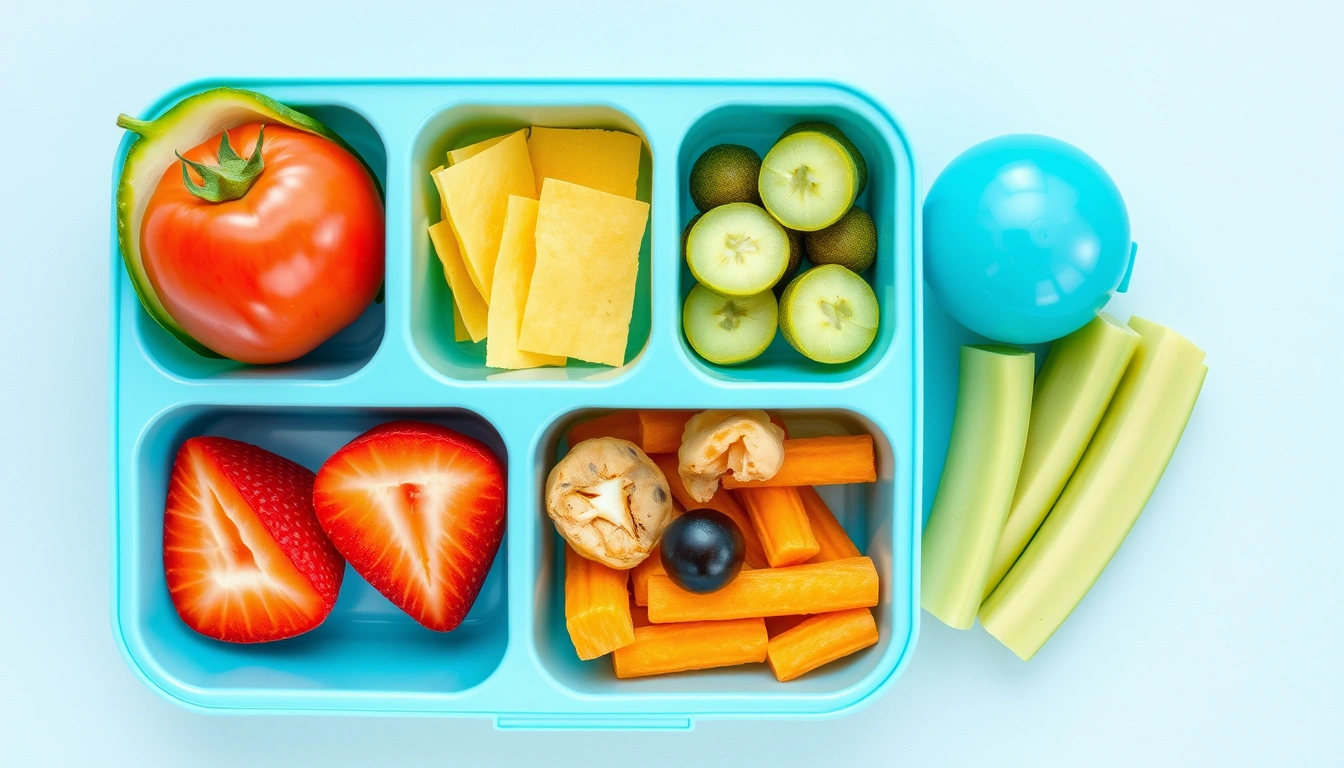
A steady routine is the fastest route to sustainable daycare lunches. I would use a repeating system. On Week 1, I would choose 6 lunch combinations and rotate them. That cuts decision fatigue and keeps the grocery list smaller.
My routine is simple:
1. Pick 2 proteins for the week.
2. Pick 2 fruits.
3. Pick 2 vegetables or easy sides.
4. Pack one “anchor” food that I know my toddler will eat.
5. Add one backup item only if there is room.
By Month 2, routine matters more than novelty. That is when lunch packing gets easier because the foods are already in the fridge and the containers are already washed. Honestly, this is where most lunch systems fall apart. People try to reinvent lunch every day. Toddlers do not reward that effort.
A practical example of a 5-day rotation:
– Day 1: cheese, crackers, blueberries, cucumber
– Day 2: turkey roll-ups, apple slices, pretzels, peas
– Day 3: pasta, chicken, carrots, melon
– Day 4: hummus, pita, strawberries, peppers
– Day 5: egg salad, toast, banana, snap peas
I would also keep a short “no” list. For many toddlers, that list includes:
– slippery whole grapes
– hard raw vegetables
– sauces that make food soggy
– anything that needs too much cutting at school
Cutting food into safe shapes matters. The AAP and the CDC both have child choking-hazard guidance; I would check those before packing any high-risk food. A useful starting point is the CDC’s food safety page and the American Academy of Pediatrics’ parent resources on choking prevention.
| Metric | Before | After | Change | Timeline |
|---|---|---|---|---|
| Morning decision time | 10 minutes | 2 minutes | 8 minutes saved | By Week 3 |
| Grocery items needed | 18 | 10 | Smaller list | By Month 1 |
| “Forgot to pack” days | 2 per month | 0 | More consistency | By Month 2 |
| Child ate at least 3 items | 2 of 5 days | 4 of 5 days | Better lunch completion | By Day 60 |
What food-safety and daycare rules should I check?
A lunchbox idea is useless if the food is unsafe by lunchtime. For daycare and preschool, I would treat food safety as part of the recipe, and I’d ask the center or a pediatric nutrition professional if I am unsure about a specific item. That means checking the center’s rules on refrigeration, nut policies, reheating, and container types before building your routine.
The basic issue is time and temperature. Cold food needs to stay cold, and hot food needs to stay hot enough until lunch. I would not assume an insulated bag solves that by itself. An ice pack helps, but only if the lunchbox stays closed and the food starts cold. A thermos helps with warm meals, but only if you preheat it and pack food that holds up well, such as pasta, rice, or soft vegetables.
I would also be careful with:
– nuts and nut butters, because many centers ban them
– grapes, cherry tomatoes, and other round foods, which should be cut into safe pieces
– stringy cheese, sticky candies, and hard chunks of raw carrot
– foods that smell strong in a shared classroom
If you need a reliable reference, I would use the CDC’s food safety guidance and, for choking prevention, the American Academy of Pediatrics’ parent materials. These are the kinds of sources I trust more than trend lists because they focus on safety, not novelty.
What I do not love about strict lunch rules is that they can make variety harder. A peanut-free classroom, for example, removes one of the easiest protein options. That is annoying, but it is manageable. Sunflower seed butter, cheese, eggs, yogurt, beans, hummus, and meats can fill the gap.
| Metric | Before | After | Change | Timeline |
|---|---|---|---|---|
| Food-policy mistakes | 1 unsure item/week | 0 | Better compliance | By Week 2 |
| Temperature-related concerns | 2 per month | 0 | Safer packing | By Month 1 |
| Center callbacks | 3 | 0 | Fewer disruptions | By Day 30 |
| Lunch rejections for rule issues | 2 | 0 | Better fit | By Month 2 |
The Best Toddler Lunchbox Ideas by Situation
I think the best lunchbox ideas depend on the day. A sick-day lunch, a new-food lunch, and a rushed lunch all need different answers.
For picky eaters, I would keep one item unchanged for several days. That might be plain crackers, cheese cubes, or the same fruit. Predictability can lower resistance.
For kids who get bored fast, I would change only the shape, not the food. Cut sandwiches into strips. Serve fruit in a cup. Pack pasta in a small thermos. Same ingredients, different feel.
For short mornings, I would build “assembly lunches” from a small set of staples:
– rotisserie chicken
– pre-washed fruit
– sliced cheese
– crackers
– washed baby carrots or soft veggie sticks
– hummus cups
– hard-boiled eggs
I would not overcomplicate the goal. A daycare lunch does not need to be cute to work. It needs to be eaten, tolerated by staff, and safe for the child. That is the whole job.
One honest limitation: some toddlers simply eat very little at lunch and make up calories at breakfast and dinner. If that is your child, I would not panic over one half-eaten container. I would look at the week, not the day, and ask whether the lunchbox is giving your child enough familiar food to stay comfortable.
| Metric | Before | After | Change | Timeline |
|---|---|---|---|---|
| Picky-eater acceptance | 1 item eaten | 3 items eaten | More intake | By Month 1 |
| Prep for rushed mornings | 15 minutes | 5 minutes | Faster packing | By Month 2 |
| Use of leftovers | Rare | 3 times/week | Less waste | By Day 90 |
| Lunchbox variety without conflict | Low | Moderate | Better balance | By Day 90 |
FAQ
What should I put in a toddler lunchbox for daycare?
I would pack one protein, one fruit or vegetable, one easy carb, and one familiar backup food. Good examples are cheese and crackers, turkey roll-ups with fruit, or pasta with soft vegetables.
How do I keep toddler lunch from getting soggy?
I separate wet and dry foods. I pack crackers away from fruit, use small containers, and keep dips in their own cups.
What foods should I avoid in preschool lunchboxes?
I would avoid common choking hazards unless they are cut appropriately: whole grapes, round hot dog slices, hard raw vegetables, and sticky chunks. I would also avoid foods banned by the daycare.
Is it okay if my toddler barely eats lunch?
Usually, yes, if the child eats well at other meals and is growing normally. If your child consistently refuses lunch or has growth concerns, I would ask your pediatrician.
Do I need a fancy lunchbox?