Last updated: November 05, 2026
Quick Answer: if lunchbox food has any clear spoilage sign, throw it away. Check for leaks, color changes, odor, and texture at lunch, and do not rely on the date alone. This guide explains how to tell if kids lunchbox food has gone bad before lunch, especially for yogurt, meat, cheese, and sandwich fillings.
In short: check the food’s look, smell, and texture at lunch, then throw it away if anything seems off or if it has sat too long in the lunchbox. Packed lunch food safety is about spotting the change before a child takes a bite, especially with perishable foods like yogurt, meat, cheese, and sandwich fillings. USDA FoodKeeper and the FDA both advise using temperature, time, and visible spoilage signs together, not any one clue by itself.
Key Takeaways
- Check packaging, appearance, and smell together, then decide yes or no.
- One visible change is often enough to signal spoilage.
- Smell helps, but it cannot confirm safety on its own.
- Perishable packed food is not automatically safe by lunchtime.
If the lunch has been packed in the morning and is opened at noon, a careful check is simple: look for leaks, discoloration, and swelling; smell for sour, yeasty, or rotten odors; then touch the food only if it is safe to do so. A container that looks normal from the outside can still hide spoiled food inside, so the food itself is the final check. For a broader guide to lunchbox safety and freshness for kids, this page sits under that bigger topic. USDA says perishable food should not sit out more than 2 hours, or 1 hour if the temperature is above 90°F.
The fastest way to check a lunchbox before a child eats it
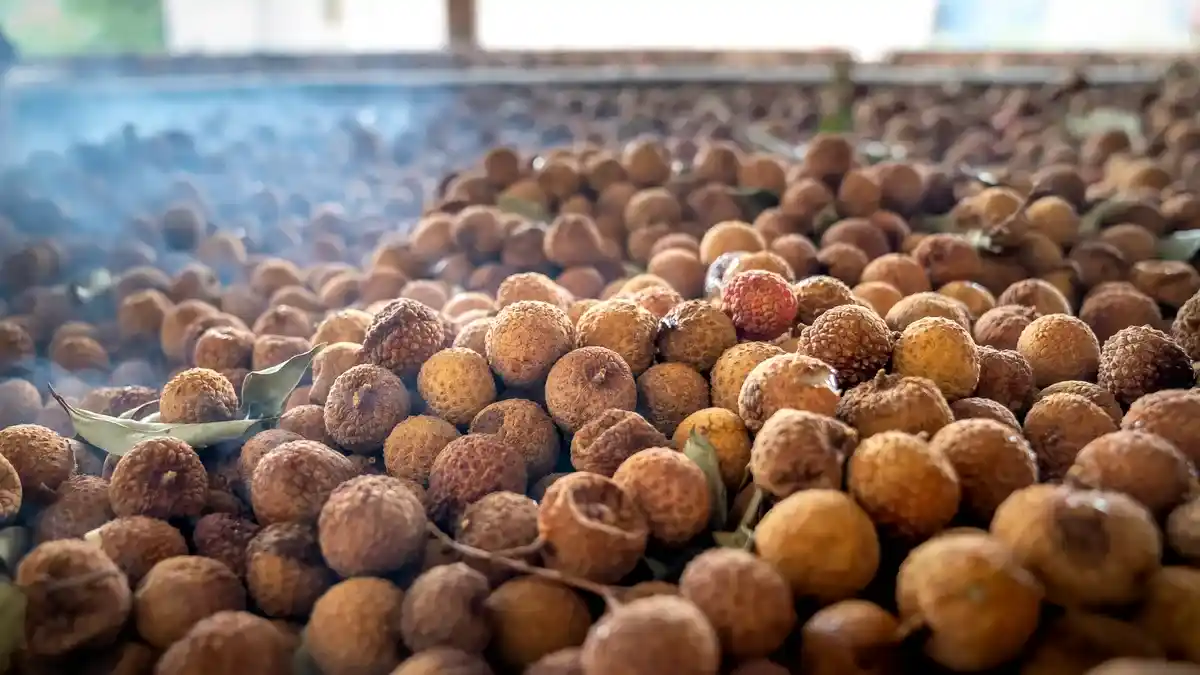
A quick check works best when you inspect the food in 3 layers: packaging, appearance, and smell, then make a yes-or-no decision. Start with the container, because a crushed lid, broken seal, or bulging bag is the first clue something changed during the school morning.
- Open the lunchbox and check the outside first. If the container is swollen, leaking, sticky, or warm to the touch after about 4 hours on the counter, treat that as a warning sign and consult a food safety professional or trusted local health source. A bent yogurt lid, a burst juice pouch, or condensation pooling inside the box often means the contents were stressed, even if they still look “fine.” The CDC says food left at room temperature for more than 2 hours should be discarded.
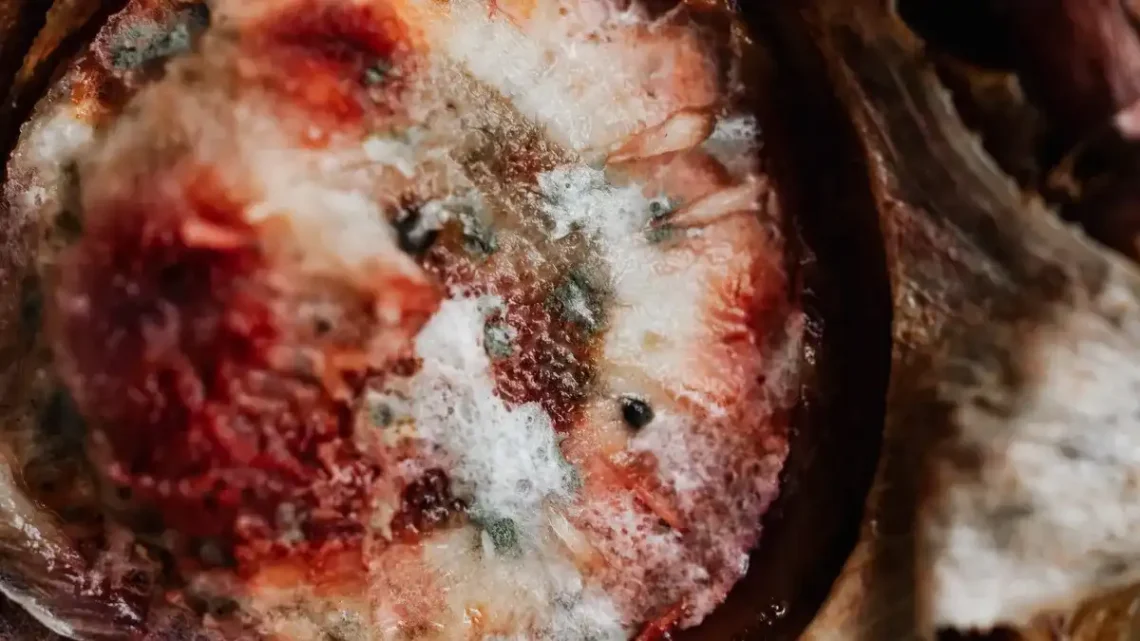
- Look at the food before touching it. Fresh fruit should not have fuzzy mold, brown mush, or wet patches spreading beyond one small bruise. Yogurt should not have a bloated lid, separated liquid with an off smell, or visible mold on the rim. Meat and cheese should not look slimy, dried out in patches, or oddly gray-green.
- Smell the food at close range. A sour, rancid, fermented, or “not right” smell means it is not worth risking. Sandwich fillings can smell normal through bread, so open the sandwich if needed and smell the filling itself. Tuna, chicken, egg salad, and mayonnaise-based fillings deserve extra caution because odor changes may be subtle.
- Check texture only when smell and appearance are unclear. Sliminess, stringiness, stickiness, or a broken curd-like texture is a bad sign. Cheese that is supposed to be firm should not feel tacky. Cut fruit should not feel slippery or watery around the edges. If the texture has changed in a way that makes the food look wet, gummy, or fuzzy, discard it.
- When in doubt, throw it out. A lunch that gives mixed signals is not a puzzle to solve at noon. If a child cannot identify the food confidently, or if the food has sat out long enough that you cannot be sure, the safe move is to bin it and use a backup snack.
That order matters because smell and texture checks are less useful once a child has already eaten part of the lunch. The goal is not to “see if it tastes okay.” Tasting is the last thing to do, and only if the food has passed every other check. FDA advice on leftovers and perishable foods is the same: if you are unsure, do not taste.
What spoiled food looks like in a lunchbox
Spoiled food usually shows at least one visible change before it shows a dramatic smell. The tricky part is that some changes are harmless, and some mean the food should be thrown away immediately.
Fruit is the easiest place to get fooled. A sliced apple that has browned is usually oxidation, not spoilage, unless it also smells fermented or feels slimy. A peach, plum, strawberry, or grape with mold, leaking juice, or soft collapse beyond a small bruise should go straight into the trash. Whole fruit is more forgiving than cut fruit, but once fruit has been sliced, punctured, or mixed in a container, it can go bad faster.
Yogurt is another common false alarm. Liquid on top is often normal separation, especially in single-serve cups. That is not the same as a swollen lid, mold on the foil seal, or a sour smell that is sharper than the usual tang. If the cup was packed with a spoon inside the lunchbox and the seal is damaged, do not assume it is safe just because the expiration date still looks recent. The USDA FoodKeeper app is designed to help with dates and storage times, not to override a bad smell or a bulging lid.
Meat and cheese need stricter judgment. Sliced turkey, ham, chicken, or roast beef that turns gray, green, or sticky is not worth keeping. Cheese that looks cracked, slimy, or unusually wet at the edges should be discarded. Hard cheese sometimes develops harmless surface dryness, but once mold spreads beyond a small spot, the safer choice is to throw it away rather than cut around it in a kid’s lunch.
Sandwich fillings deserve special attention because they hide spoilage under bread. Egg salad, tuna salad, chicken salad, and deli meat are common culprits. If the bread feels soggy in a way that is not just condensation, or if the filling smells off after you open the sandwich, do not let the bread hide the problem. A lunchbox can mask a lot, but it cannot improve a bad filling.
How to use smell and texture without fooling yourself
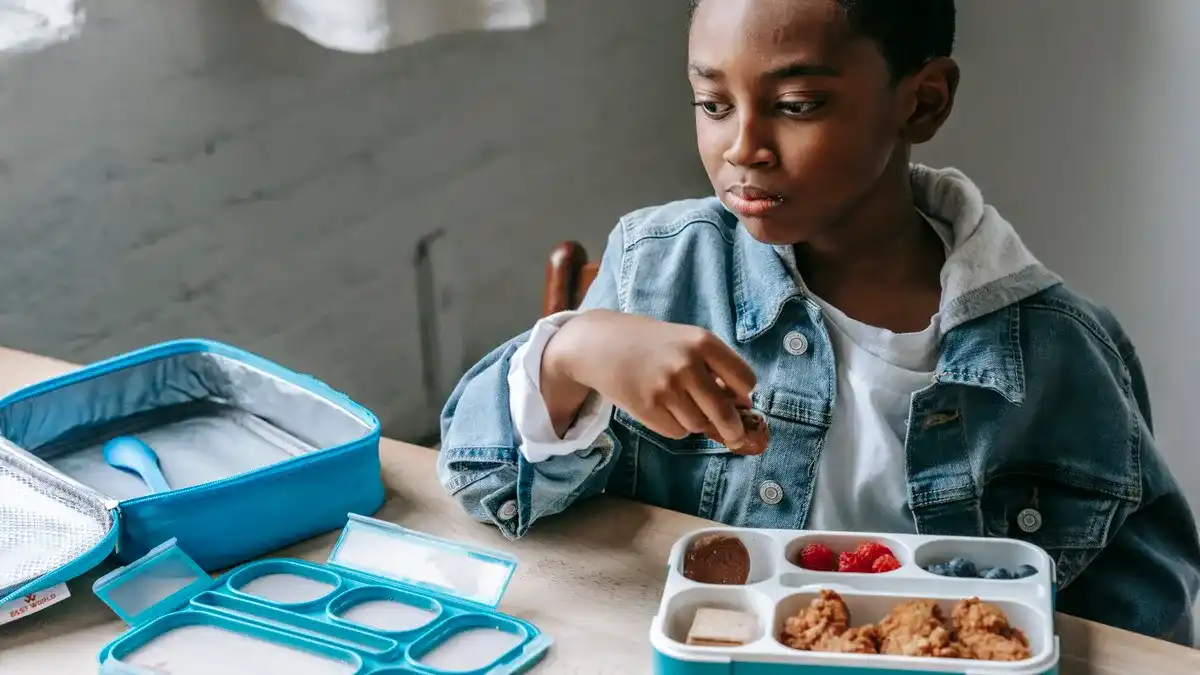
Smell helps, but it is not enough by itself. A food can smell normal and still be unsafe, especially early in spoilage or when the smell is covered by bread, crackers, or sauce.
Use smell as a close check, not a guess from across the table. Open the container fully and sniff the food itself, not just the air in the lunchbox. If the food is in a sealed plastic container, open it and wait a second before deciding, because trapped odors can be misleading for the first breath. Sour milk smell, rotten egg smell, paint-like rancid odor, or a yeasty fermented smell are all reasons to stop. FDA guidance on foodborne illness prevention also says not to taste food that seems questionable.
Texture is the next clue. It matters most for foods that should hold their shape: yogurt, cheese, deli meat, cooked chicken, cut melon, and sandwich fillings. Slimy means slippery in a way that was not there when the food was packed. Sticky means the surface clings or strings when it should not. Watery means liquid is separating in an unusual way, not just a little natural juice.
There is one catch: temperature changes can make some foods seem strange without making them unsafe. Cold cheese can feel firmer. Bread can feel damp from condensation. Yogurt can separate after being jostled in a backpack. That is why smell and texture should be read together with appearance and time. One odd sign alone may be a nuisance. Two or three odd signs together usually mean discard.
This is also why a lunchbox food that “looks okay” is not automatically okay. A sandwich with a normal crust and a bad filling can still fool a child. The same is true of fruit cups, cheese cubes, and yogurt tubes. The quick rule is plain: if the smell changes and the texture changes, the food is done.
How long packed food can sit before it becomes risky
Packed perishable food should not be treated as safe all morning just because it started cold. Time matters, and the same lunch can be fine at 10:00 a.m. and questionable by 1:00 p.m. if it has warmed up. USDA and CDC both use a 2-hour limit for perishable food at room temperature, and 1 hour when the temperature is above 90°F.
For a practical lunchtime check, use the morning pack time as the starting point. If a lunch with perishable foods has been out long enough that lunch period is several hours away, the risk rises. That is especially true for yogurt, meat, cheese, and sandwich fillings made with egg, chicken, tuna, or mayonnaise. These are the foods most likely to turn in a lunchbox before a child notices.
A useful habit is to think in blocks of hours rather than in vague phrases like “this morning.” If the lunch was packed before school and lunch is not until well into the day, inspect it more carefully. A lunchbox that has been in a warm backpack, a sunny classroom, or a hot car is not comparable to one that stayed cool in a lunch bin. Even a short time in heat can change how a food smells and feels.
This is not a place for wishful thinking. If the food is warm where it should be cold, or if the child says it “tastes funny,” do not talk yourself into finishing it because it was expensive or still within date on the package. Date labels are not the same as safe lunchbox time. A sealed yogurt cup can still be a bad idea after too long out of proper storage.
If the lunch includes only low-risk items like a whole apple, unopened crackers, or a sealed shelf-stable snack, the clock matters less. Once the lunch contains perishable foods, the clock becomes part of the food itself. That is why packed lunch food safety depends on what is in the box, not just on the date printed on it.
What to throw away right away, without trying to rescue it
Throw it away right away if the food has mold, a bad smell, a swollen container, or a slimy texture. Those are not “maybe” signs. They are the point where saving the food stops being sensible.
Discard fruit with visible mold, wet rot, or a fermented smell. Do not cut around mold on soft fruit, berries, or cut fruit. For a hard apple or pear, a small bruised area may be trimmed if the rest is firm and normal, but once the smell is off or the texture is wet and mushy, the whole piece should go.
Discard yogurt with a bulging lid, torn seal, or visible mold. A normal liquid layer on top is not enough by itself to toss it, but if the cup smells sour in a bad way or the texture is curdled and strange, it is over. The same goes for pudding, custard, and any dairy cup that has been crushed and opened in the bag.
Discard meat, cheese, and sandwich fillings if they smell wrong, feel slimy, or have changed color in a way that is not just drying. Deli meat that has curled and gone tacky, chicken salad that smells sharp or rotten, or cheese with fuzzy growth is not a salvage project. Do not scrape off the top and send the rest back into the lunchbox.
This is the hard rule that saves the most trouble: if a child hesitates because the food “looks weird,” believe the hesitation. Kids often notice spoilage before they can name it. A lunchbox is not the place to test a suspect sandwich with a tiny bite. The cost of throwing away one item is small compared with the cost of a sick afternoon.
The mistakes parents make most often at lunchtime
The biggest mistake is using the package date as the final answer. A yogurt cup can still be within date and still be unsafe after too long in a warm lunchbox. Date labels tell you about shelf life under storage conditions, not about a backpack at room temperature. USDA states that food safety depends on time and temperature, not only on the printed date.
A second mistake is relying on smell alone. Some spoiled food smells obvious. Some does not. If the bread has hidden a bad filling, a quick sniff of the outside will miss the problem. Open the container, look directly at the food, and check the filling itself.
A third mistake is treating “slightly off” as acceptable. A little slime, a little leakage, a little sourness, or a slightly swollen lid are not minor. They are early warning signs. By the time a lunchbox food looks obviously rotten, it has already been bad for a while.
A fourth mistake is forcing a child to eat food they do not want because it seems wasteful to throw it away. That trades a minor loss for a larger problem. Kids are often right when they say a sandwich tastes wrong or yogurt smells funny. The safer move is to replace the food if possible and note what item keeps failing so it can be packed differently next time.
A fifth mistake is forgetting that some foods are simply more fragile. Meat, cheese, yogurt, egg salad, tuna salad, and cut fruit are not as forgiving as crackers or a whole apple. Packed lunch food safety means judging the food by what it is, not by what the lunchbox looks like from the outside.
When a lunch is not worth guessing about
A lunch is not worth guessing about when the food is perishable, has been out for several hours, and shows even one clear spoilage sign. That is the point where caution is the right answer, not overreaction.
This matters most with the foods named above: yogurt, meat, cheese, and sandwich fillings. If one of those items smells off or looks changed, do not keep “checking” it for a second opinion. Temperature, time, and handling can all move in the wrong direction fast, and a lunchbox gives no reliable warning system.
A quick practical test is to ask one question: would I pack this again exactly as it is? If the answer is no, throw it out. If the container is damaged, the food is leaking, or the child says it tastes funny, the lunch is already past the point of reuse. Do not save it for after school, do not rinse it off and re-pack it, and do not let a sibling “try a bite” to see.
The safest habit is simple and a little strict. Check the food once at lunch, not three times after the child has started eating. If it passes the visual, smell, and texture checks, it can be eaten. If it fails any of them, it belongs in the trash.
How can I tell if my child’s lunch is still safe to eat?
A lunch is still safe to eat if the food looks normal, smells normal, and feels normal for that type of food. That means no mold, no slimy coating, no sour or rotten odor, and no swollen or leaking container. If the lunch contains perishable foods like yogurt, meat, cheese, or sandwich fillings and any of those signs appear, throw it away.
What foods spoil fastest in a lunchbox?
Perishable foods spoil fastest in a lunchbox, especially yogurt, meat, cheese, egg salad, tuna salad, and chicken-based sandwich fillings. Cut fruit can also go bad quickly once it is sliced or bruised. Foods with dairy, egg, or cooked meat are the most likely to turn before lunch if they warm up.
When should food be thrown away after packing?
Food should be thrown away once it shows spoilage signs or once it has sat too long to trust. If it smells sour, looks moldy, feels slimy, or has a bad texture, do not keep it. USDA and CDC guidance support discarding perishable food after 2 hours at room temperature, or 1 hour in hot conditions.
Drafted with AI; not yet reviewed by a person.