Last updated: October 31, 2026
Key Takeaways
- Perishable lunchbox food usually should not sit out more than 2 hours at room temperature, or 1 hour when it is around 90°F or hotter.
- Shelf-stable foods are usually the easiest room-temperature option for a 3- to 6-hour school day.
- Start lunch planning with how long the food will be out, not with the food list.
- Use an ice pack for milk, egg salad, cooked pasta, meat, cheese, yogurt, or refrigerated leftovers.
Kids lunchbox food is safest when perishable foods stay cold, but some items can handle a school morning at room temperature better than others. This guide on How Long Different Kids Lunchbox Foods Stay Safe at Room Temperature gives the short answer: dairy, eggs, meat, and cooked foods need the most caution; shelf-stable foods, whole fruit, and some vegetables are much easier to send without worry.
The simplest rule for kids lunchbox food at room temperature

Perishable lunchbox food should not sit out for more than 2 hours at room temperature, and that window drops to 1 hour when it is hot, around 90°F or above. That is the rule that matters most for a school bag, a soccer sideline, or a lunchbox left in a warm classroom.
The reason is plain: a lunchbox is not a refrigerator, and “room temperature” is not a food-safe storage method for many kids’ lunch items. The lunch that was packed cold can warm up fast inside an insulated lunch bag, especially if it sits near a sunny window or in a backpack all morning.
A useful way to think about it in How Long Different Kids Lunchbox Foods Stay Safe at Room Temperature is by food type:
- High-risk foods: milk, yogurt, egg salad, tuna salad, chicken salad, deli meat, cooked rice, cooked pasta, and cooked vegetables. These belong on the clock.
- Moderate-risk foods: cut fruit, cut vegetables, cheese, hummus, and baked goods. Some can be fine for a short school day, but they still do better with cooling.
- Low-risk foods: whole fruit, shelf-stable snacks, nut butter in sealed packaging, crackers, bread, and unopened shelf-stable milk boxes.
This is the same logic used in standard food safety guidance from groups like the USDA and FDA: once food enters the “danger zone,” bacteria can grow quickly. For a child’s lunch, the safe move is to match the food to the length of the day, not to hope the bag stays cool enough. The USDA Food Safety and Inspection Service and FDA Food Safety pages both back that approach.
If the lunch plan depends on keeping something cold until after school, it belongs in the broader lunchbox safety and freshness for kids guide, not in a room-temperature setup. For related packing ideas, see the lunchbox safety and freshness for kids guide, the school lunch packing guide, and the kids food safety checklist.
Which lunchbox foods are safe longest without chilling?
Shelf-stable foods are usually the easiest to trust at room temperature, and they are the best fit for a 3- to 6-hour school day. Whole fruit, many vegetables, crackers, bread, peanut butter, and unopened shelf-stable milk are the foods that hold up best because they do not spoil as quickly as dairy, eggs, or cooked leftovers.
Here is the practical breakdown a parent can use for How Long Different Kids Lunchbox Foods Stay Safe at Room Temperature:
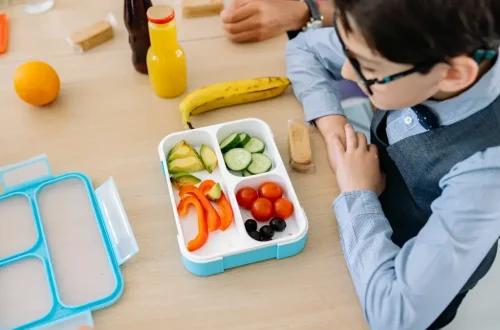
- Whole fruit: apples, bananas, oranges, pears, grapes, and clementines are generally safe through the school day if they are uncut and clean. Once cut, the clock changes.
- Vegetables: whole carrots, snap peas, cherry tomatoes, cucumber spears, and bell pepper strips are usually fine for a few hours if they were washed and packed dry.
- Peanut butter: a peanut butter sandwich or peanut butter on crackers is usually one of the most forgiving lunchbox choices, as long as the bread and packaging stay dry.
- Shelf-stable milk: single-serve aseptic cartons are designed to be stored unopened at room temperature until opened.
- Crackers, pretzels, granola bars, and muffins: these are low-risk from a spoilage standpoint, though they may stale or get crushed.
The trade-off is quality, not just safety. A banana can brown, a cut apple can dry out, and crackers can soften, but those are texture problems, not the same as food safety problems. That distinction matters because a lunchbox strategy built around “won’t spoil” is not the same thing as “will still taste good.”
One caution: “shelf-stable” only applies when the package is unopened and the food is meant to be stored that way. Once a carton, pouch, or container is opened, the clock starts to change fast.
How long do milk, egg salad, cooked pasta, peanut butter, fruit, and vegetables last?
Milk, egg salad, and cooked pasta are the foods most likely to need ice packs, while peanut butter, whole fruit, and many vegetables can usually go through a school day at room temperature much more safely. That is the practical split parents need when packing a lunch for 4 to 6 hours away from home.
Milk
Milk is a perishable food and should stay cold. Once it is at room temperature, the safe window is short, and it is not a good choice for a lunchbox without an ice pack unless it is an unopened shelf-stable carton. A regular refrigerated milk box left warm in a lunch bag is the kind of item that should be treated as time-sensitive; if there is any doubt, follow USDA and FDA food safety guidance or check with a pediatrician or local health department.
Egg salad
Egg salad is one of the clearest examples of a food that does not belong warm in a lunchbox for long. It contains eggs and usually mayonnaise, which makes it a high-risk item at room temperature. If a child carries egg salad, it should be packed cold and discarded if it has been out too long.
Cooked pasta
Cooked pasta by itself is safer than pasta mixed with mayonnaise, meat, or cheese sauce, but it still counts as a cooked food that should not sit out all day. Pasta salads with perishable add-ins need the same caution as other leftovers. Plain pasta is not a free pass; it still belongs on a timer.
Peanut butter
Peanut butter is usually a very room-temperature-friendly lunchbox food. It is low moisture and shelf stable, which is why it works well in sandwiches and crackers. The main issue is not spoilage but allergies, school policy, and whether the sandwich is made with ingredients that do spoil, such as sliced banana or cream cheese.
Fruit
Whole fruit usually lasts the longest. Apples, oranges, bananas, and pears can handle a school morning well. Cut fruit is less forgiving because once it is sliced, it loses its protective peel and warms faster. A cup of melon or berries needs more caution than an apple in a backpack.
Vegetables
Many vegetables stay safe for several hours at room temperature if they are whole or cut dry and packed cleanly. Carrots, cucumber, and snap peas are common examples. A dip changes the story: ranch, yogurt dip, and sour cream-based dips need cooling. Hummus sits in the middle and is safer for short periods than dairy dip, but it is still not a true shelf-stable food.
The rule of thumb is simple: the wetter, creamier, and more protein-heavy the food is, the less room-temperature time it gets. That is why How Long Different Kids Lunchbox Foods Stay Safe at Room Temperature depends so much on ingredients, not just on the container.
A school-day packing method that keeps the clock in view
A good lunchbox plan starts with the day length, not with the food list. A child leaving home at 7:30 a.m. and eating at noon is dealing with a different risk than a child who carries lunch until 2:30 p.m. after sports practice.
Use this order when deciding what to pack for How Long Different Kids Lunchbox Foods Stay Safe at Room Temperature:
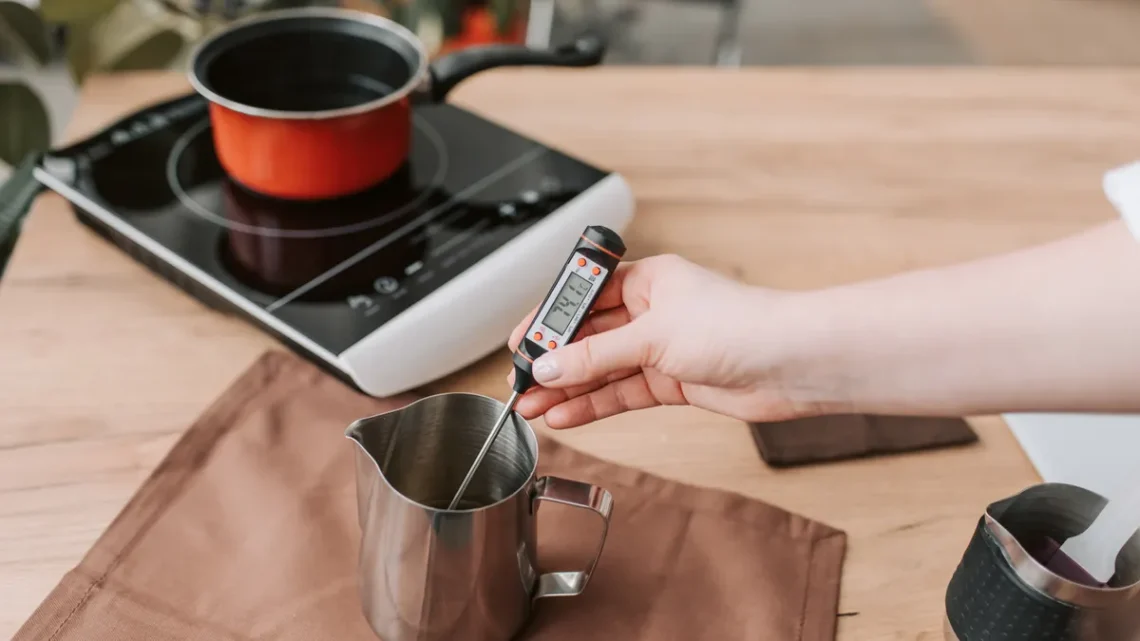
- Measure the time away from refrigeration. Count from the moment the lunch leaves the fridge to the moment the child will eat it. If that span is around 2 hours, more foods fit. If it stretches past 4 hours, the lunch should shift toward shelf-stable items or active cooling.
- Sort the food into perishable and nonperishable groups. Put milk, egg salad, cooked pasta, deli meat, and leftovers in the “needs cooling” pile. Put whole fruit, crackers, peanut butter, and unopened shelf-stable milk in the “safe at room temp” pile.
- Choose the lunch based on the hottest part of the day. A 75°F classroom is one thing; a lunchbox in a 90°F car is another. If the bag may sit in heat, shorten the food’s time at room temperature to 1 hour.
- Pack only what the child will actually eat by lunch period. A half-eaten yogurt tube, a warm deli sandwich, or a fruit cup saved for later is where problems start. The less food is left sitting after the meal, the better.
- Label the “discard if warm” foods mentally before the bag goes out the door. Anything dairy-based, egg-based, or made from leftovers should be treated as one-and-done for that day.
This method is useful because it turns a vague worry into a decision. A lunchbox is not one food system; it is a mix of foods with different clocks. For more planning help, the school lunch packing guide and the kids food safety checklist can make the choices faster.
When should I use an ice pack instead of room temperature food?
An ice pack is the right choice whenever the lunch contains milk, egg salad, cooked pasta, meat, cheese, yogurt, or any leftovers that would normally be refrigerated. If the child will not eat until 4 or more hours later, cooling becomes much more than a nice extra.
The most common mistake is assuming an insulated lunch bag can replace cold storage. It cannot. Insulation slows warming, but it does not make food safe for long. A soft-sided bag with a frozen ice pack can buy time; a bag alone cannot.
Use an ice pack when:
- lunch includes dairy or eggs
- lunch includes cooked meat, pasta, or rice
- the school day runs long, especially after 4 hours
- the bag may sit in a hot place, such as a car, gym, or sunny classroom
- the food is meant to be eaten later in the afternoon, not right at lunch
A common packaging mistake is letting warm air circulate around the food. A lunchbox with loose containers and no cold source warms up faster than a packed bag with a frozen gel pack sitting next to the perishable items. The food does not need to freeze; it needs to stay cold enough to slow spoilage until lunchtime. See the lunchbox safety and freshness for kids guide for more cooling details.
This is also where parents sometimes overcorrect. A lunch that is entirely shelf-stable does not need an ice pack, and adding one can make packaging bulky or soggy if the ice pack leaks or the container sweats. Use cold packs for foods that need them, not out of habit.
For exact cooling choices and lunchbox setups, the separate cooling guide on this site is the right place to go. This page is about timing, not gear.
What foods are most likely to go bad first?
Egg salad, milk, cooked pasta, and anything with mayonnaise or dairy sauce go bad first at room temperature, while whole fruit and dry snacks last the longest. That is the ranking that matters when a parent has to decide what to trust after 2 to 4 hours.
The most common failure points are easy to miss:
- Egg salad and mayonnaise-based fillings can look fine and still be unsafe after too long.
- Cooked pasta and rice are risky because leftovers do not get a pass just because they seem plain.
- Milk and yogurt warm quickly, especially in small containers.
- Cut fruit can weep, soften, and spoil faster than whole fruit.
- Vegetables with dip are only as safe as the dip.
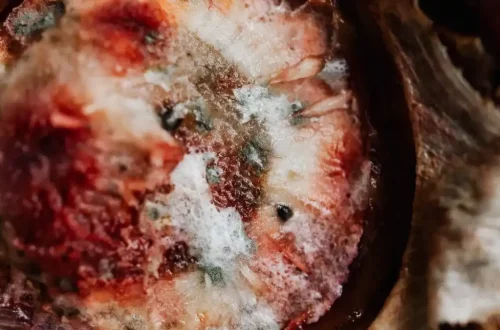
The cost of getting this wrong is not just food waste. A child may eat something that has spent too long warm and end up with a stomach upset. That is why the conservative answer is the better one when the lunch has been sitting out and nobody knows for how long.
Because of that, a useful habit is to treat any unknown lunch as suspect if it contains a perishable ingredient and has been unrefrigerated past the 2-hour mark. If the day was hot, cut that to 1 hour. That is not being fussy; it is following the food safety rule that protects a child more reliably than smell or taste ever can. Spoiled food does not always announce itself.
The rule I would use for most school lunches
If the lunch contains milk, eggs, cooked pasta, meat, or leftovers, I would not send it without cold storage or a very short time window. If the lunch is mostly whole fruit, vegetables, peanut butter, crackers, and unopened shelf-stable items, room temperature is usually fine for a normal school morning.
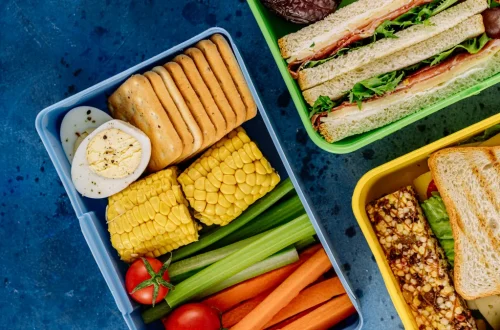
That is the judgment call that saves the most trouble. Parents do not need a perfect system; they need a clear split between foods that can ride out 4 to 6 hours and foods that cannot. A lunchbox with a plain apple, crackers, a peanut butter sandwich, and an unopened shelf-stable milk carton is a different animal from one with egg salad, pasta salad, and dairy dip.
The other honest limitation is this: not every child school day looks the same. Early dismissal, after-school clubs, and sports can stretch a lunch far beyond the first meal period. When the day runs long, the food plan has to get stricter.
For official food safety guidance, the USDA Food Safety and Inspection Service and the FDA’s Food Safety pages are both worth checking when packing perishable foods for kids. For related guidance, see the lunchbox safety and freshness for kids guide and the kids food safety checklist.
How long can a lunchbox stay unrefrigerated?
A lunchbox can hold shelf-stable food all day, but perishable food should not stay unrefrigerated for more than 2 hours, or 1 hour if the temperature is around 90°F or above. That is the practical safety limit for milk, egg salad, cooked pasta, and similar foods. Whole fruit and dry snacks are the exception.
Which foods are safest without an ice pack?
The safest foods without an ice pack are whole fruit, many whole vegetables, peanut butter, crackers, bread, and unopened shelf-stable milk cartons. These foods are low risk because they are not highly perishable in the same way as dairy, eggs, or leftovers. Cut fruit and dips are less safe than whole versions.
Does the weather change food safety time limits?
Yes, hot weather shortens the safe time window for lunchbox food. When temperatures climb to about 90°F or above, the limit for perishable food drops from 2 hours to 1 hour. A lunch that is fine in a cool classroom can become unsafe much faster in a hot car, on a bus, or in direct sun.
Drafted with AI; not yet reviewed by a person.