Last updated: August 10, 2026
- Lunchboxes with lots of crevices, hinges, and gaskets need more cleaning time.
- What Gets Sold As “Essential” The lunchbox accessories market sells a lot of things that aren’t worth carrying.
- Buying a lunchbox to address a food-prep habit that doesn’t exist yet — no container system solves that.
- FAQ How long does an ice pack actually keep food cold in a lunchbox?
A warm, leaking container at noon is a special kind of defeat. By Wednesday, the bag smells like fish and regret — and you’re standing at a vending machine wondering where it all went wrong. This guide covers what to buy, what to skip, and the gear decisions that actually change your day: the box itself, the containers inside it, the ice packs, and the few extras genuinely worth carrying.
I’ve spent years writing about food packaging, kitchen equipment, and the practical side of everyday eating. There’s no single perfect lunchbox for everyone — but I can tell you exactly what to look for given your situation, and I’ll name the choices I’d make and why.
What Your Lunchbox Setup Actually Needs to Do
Most people shop for a lunchbox by thinking about the container first. That’s backwards. Start with the use case.
A parent packing for a seven-year-old, a construction worker who needs food to stay cold for eight hours in July, and someone carrying a hot lunch to a small office have completely different requirements. The construction worker needs serious insulation and a latch that won’t spring open inside a tool bag. The child needs something leakproof, lightweight, and easy enough to open that they don’t give up and go hungry. The office worker can get away with a fabric tote and a decent glass container — there’s a fridge ten metres away.
Three questions worth asking before you buy anything:
How long does the food need to stay at a safe temperature? The U.S. Food & Drug Administration (FDA) advises keeping perishable food out of the temperature danger zone — between 40°F and 140°F (4°C and 60°C) — to reduce bacterial growth. Without access to refrigeration within two hours, your gear needs to handle insulation seriously. Read the FDA’s guidance directly at fda.gov.
What are you carrying it in? A gym bag has different dimensions and abuse tolerance than a briefcase or a school backpack. Containers that work beautifully on a shelf fail when wedged sideways next to a water bottle for four hours.
How much time do you have to clean it? Lunchboxes with lots of crevices, hinges, and gaskets need more cleaning time. The kind of person who washes up quickly after dinner and moves on will find a three-piece container system going mouldy in a corner by week three.
None of these questions appear on product pages. That’s why most people buy the wrong thing the first time.
The Real Difference Between Hard-Sided and Soft-Sided Lunchboxes
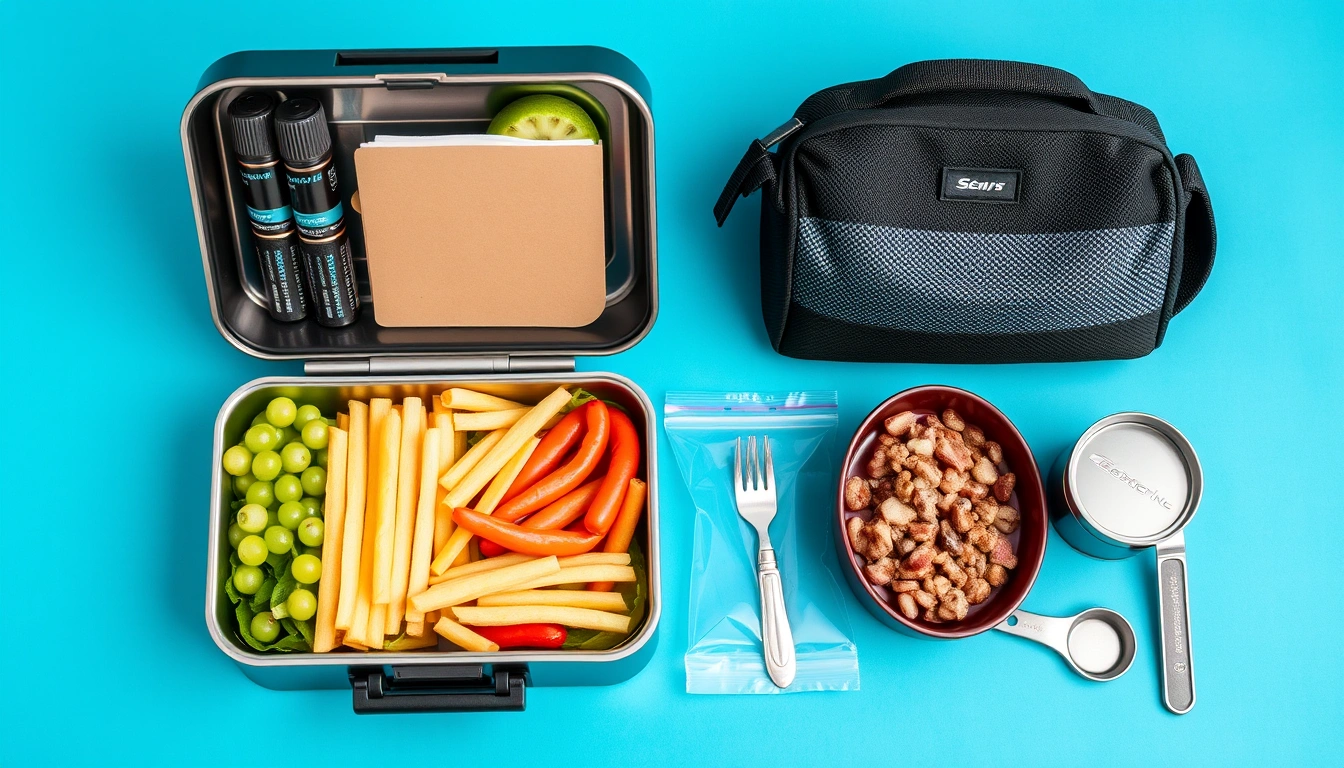
Hard-sided and soft-sided lunchboxes don’t just differ in material — they solve entirely different problems.
Hard-sided boxes are usually rigid plastic, stainless steel, or aluminium. They protect the food inside from being crushed, wipe clean easily, and stack. The drawbacks are weight, bulk, and the fact that they don’t compress or flex to fit into tight spaces. A rigid box that’s too big for the day’s lunch rattles around and feels wasteful.
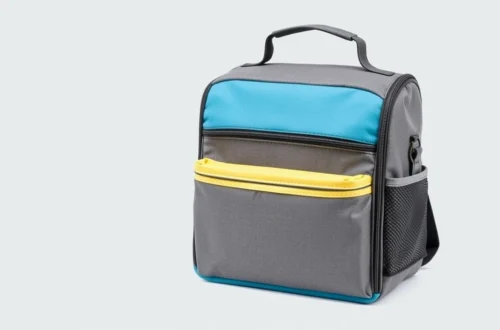
Soft-sided bags and totes are lighter, fold flat when empty, and can stretch or compress slightly to fit bags with odd shapes. The best ones have a PEVA or foil-lined interior with some kind of insulated layer, which gives them decent short-term temperature retention. Their weakness: they absorb odours over time, the lining eventually cracks or peels with repeated cleaning, and they offer no structural protection to the food inside.
The honest answer on which is better: it depends on whether you’re the one being crushed.
When your container travels vertically in a bag that gets thrown around, rigid wins — the contents of a soft tote get compressed and shifted. Walking to a nearby building, sitting at a desk, putting the bag down gently? A quality soft tote with good containers does the job at less weight and cost.
Head-to-Head: Hard-Sided vs Soft-Sided
| Criteria | Hard-Sided | Soft-Sided | Winner for… |
|---|---|---|---|
| Crush protection | Excellent | Poor to moderate | Anyone with a packed bag |
| Insulation (4+ hrs) | Moderate (without ice pack) | Moderate (with lining) | Tie — both need ice packs |
| Weight | Heavier | Lighter | Commuters and school kids |
| Odour resistance | Easy to clean | Degrades over time | Office workers and long-term use |
| Stackability | Yes | No | Home/office storage |
| Price range | Generally higher | Wide range, often lower | Budget buyers |
| Longevity | 5–10+ years (stainless) | 1–3 years (fabric lining) | Long-term value: hard-sided |
| Flexibility in a bag | No | Yes | Anyone with an awkward bag |
| Child usability | Varies (latches) | Usually easier to open | Young children |
The Containers Inside: Where Most People Get This Wrong
The lunchbox is a vehicle. The containers are the product. Buying cheap containers and an expensive bag is the wrong trade-off — honestly, one of the most common mistakes I see.
Glass containers are chemically inert: no absorbed smells, no staining, and they move from fridge to microwave to dishwasher without complaint. A glass container from five years ago looks the same as it did on day one. The honest cons: they’re heavy, they chip under rough handling, and you won’t want to send them with a child or stuff them into a bag that gets thrown around. Wrap glass containers in something, or the edges will chip the lids of whatever’s packed alongside them.
Stainless steel containers are lightweight relative to glass, practically indestructible, and completely odour-free. The drawbacks are real: not microwave-safe, more expensive than plastic or glass, and the lids are usually plastic anyway — so you’re not actually getting a fully plastic-free solution. A lunch destination with a microwave makes stainless steel an inconvenience rather than an upgrade.
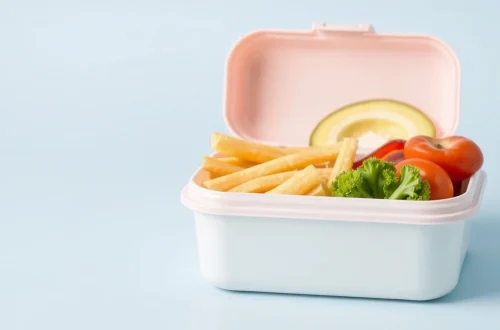
Plastic containers — specifically BPA-free polypropylene — are the most practical choice for most people most of the time. Light, cheap to replace, microwave-safe, and available in sizes that fit together logically. The real concern is longevity and staining: tomato-based sauces will stain polypropylene within a few uses, regardless of what the product page says. Scratches develop over time, harbouring bacteria and odours. Replace them when they start to cloud.
Bento-style divided containers solve a specific problem well — keeping components that shouldn’t touch each other separated without requiring three separate boxes. A salad with dressing, a sandwich with wet filling, a child’s meal with a dip: all benefit from compartments. The trade-off is that the compartments dictate portion size, and many bento boxes are too shallow for anything that needs stacking, like a layered grain bowl.
Wide-mouthed insulated food jars — thermos-style — keep hot food hot for three to four hours without needing a microwave at the destination. Soups, stews, pasta, rice: all work well. Anything you want to stay crisp? Useless. Bulkier and heavier than a flat container, so it’s a deliberate trade-off, not a universal upgrade.
Ice Packs and Temperature Management: The Honest Guide
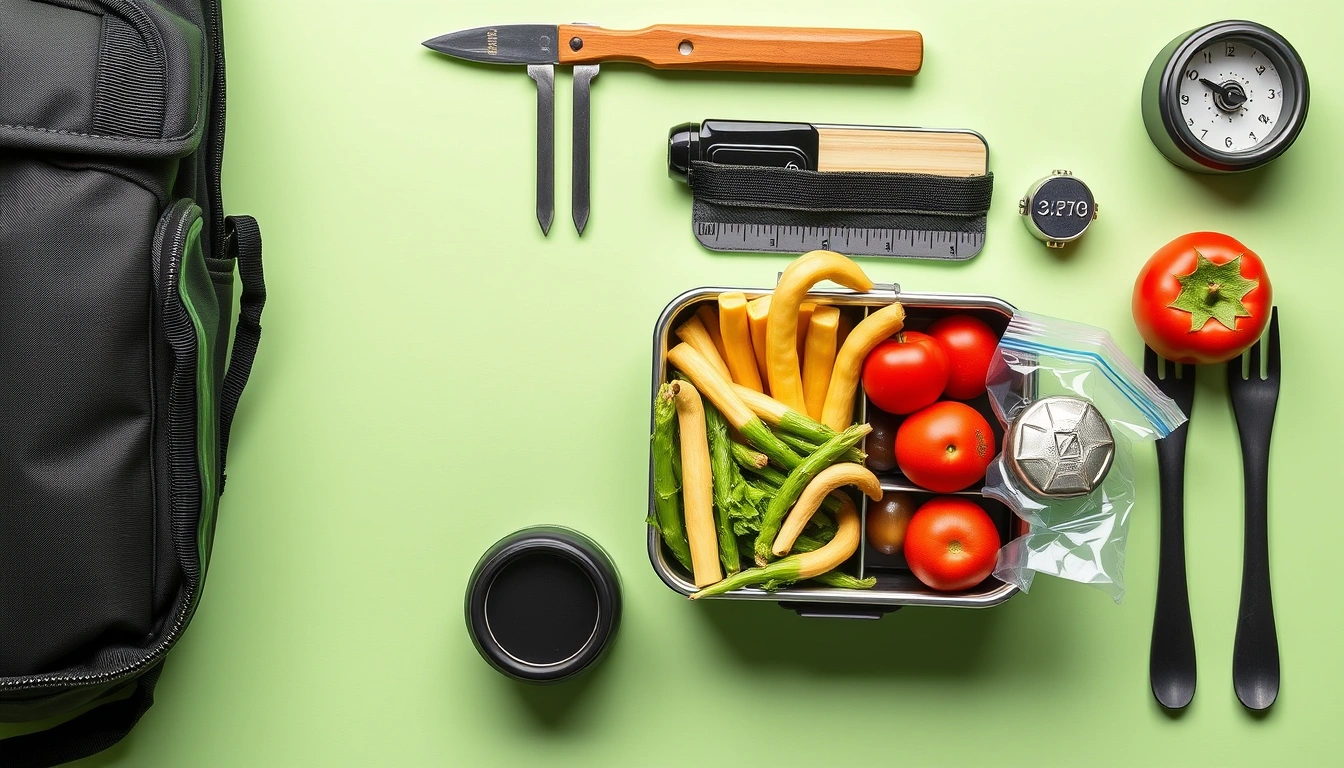
Ice packs are not interchangeable. The gap between a mediocre gel pack and a good one is the gap between food that holds 40°F (4°C) for two hours and food that holds it for six — which is a much bigger deal than it sounds.
Gel packs are the most common. They contain a salt-water gel that freezes solid and thaws slowly. Good ones have thick walls that don’t flex or leak when frozen. Cheap gel packs often feel soft when frozen — a sign the gel ratio is off — and reach ambient temperature fast. The failure mode isn’t dramatic; the pack just quietly stops working, and you don’t notice until your food is warm at noon.
Ice pack shape matters more than most reviews acknowledge. A flat, rectangular pack covering the full floor or ceiling of your container is more effective than three small packs. Contact area is what drives heat transfer. Two small packs rattling in corners let warm air circulate freely around the food; a single flat pack across the top of the container blocks that warm air from above. For a standard soft-sided tote, one large flat pack on top of the food beats two smaller ones on the sides.
Reusable ice packs vs. real ice. For adults managing their own gear, reusable gel packs are the practical choice. Beach days or camping situations — where you’re packing a soft-sided cooler — are different; real ice inside a zip-lock bag inside the cooler outperforms any gel pack for sustained cold. The gel pack melts into warm water; ice melts into cold water that continues to chill.
The UK’s Food Standards Agency provides clear guidance on safe food storage temperatures and cold chain management — worth reading if you want to understand the science behind the numbers: food.gov.uk.
Who doesn’t need an ice pack: lunch that travels under thirty minutes, goes straight into a fridge, and gets eaten within two hours of removal — an ice pack there is optional comfort rather than safety necessity. Don’t let this guide talk you into carrying more than you actually need.
The Gear You Actually Need vs. What Gets Sold As “Essential”
The lunchbox accessories market sells a lot of things that aren’t worth carrying.
Worth buying:
-
A set of reusable utensils — specifically a fork, a spoon, and a small folding knife where your workplace allows it. Flat bamboo or recycled-plastic sets that come as a roll are fine. The elaborate sets with velvet pouches are theatre. You need something that cleans easily and doesn’t stain.
-
A small leakproof sauce container (under 60ml). This one item upgrades lunch considerably — dressings kept separate, dipping sauces, hot sauce, a tablespoon of tahini. Whatever arrives in individual packets at a restaurant is better carried from home in a refillable container.
-
A beeswax wrap or small square of parchment for sandwiches when you’re avoiding plastic bags. Neither performs as well as a sealed container for a wet filling, but for a dry sandwich or a piece of fruit, they work — and they’re significantly lighter and smaller than a container.
Probably not worth buying:
-
Dedicated lunchbox bags with forty different compartments — they look organised in product photos and become a cleaning nightmare after a week of real use. Buy a good base container, not a bag designed around a specific packing system.
-
Collapsible containers — the silicone ones that fold flat when empty. The concept is sound; the execution is usually poor. They leak at the fold points, take time to open, and never fold as flat in practice as they do in the product demo. Worth recommending only for specific ultralight hiking situations.
-
An insulated bag AND a separate ice pack AND a separate outer bag — this stacks cost and weight. One quality insulated tote with one good ice pack outperforms a mediocre multi-layered system.
Hard-Sided Lunchbox: Who Should Actually Use This (and Who Shouldn’t)
A rigid lunchbox is the right call for a specific kind of person: someone whose bag gets rough treatment, whose food needs protection, and who has time to wash up properly.
Tradespeople, cyclists commuting with a loaded backpack, anyone whose bag gets thrown in a locker or overhead storage — these people benefit from a hard case. The food arrives intact. A wrapped sandwich inside a soft tote comes out as a triangle. A salad in a soft container gets compressed and wet. A rigid box delivers food in the condition it was packed.
The other group that genuinely benefits: people with strong odour aversion. A rigid box, cleaned quickly after use, doesn’t develop the accumulated smell that soft-sided bags build up after months of use. Not a small thing, for people who are sensitive to it.
Who shouldn’t use a rigid box:
Anyone packing light. A stainless steel lunchbox adds real weight — combined with containers and an ice pack, a rigid setup can weigh noticeably more than a soft-sided equivalent before the food even goes in. Carrying a heavy laptop bag or commuting long distances on foot, that weight adds up.
Anyone who needs the bag to compress. You cannot fold a rigid box flat in your bag on the way home. Same size empty as it was full.
Exception: Some rigid boxes use a clamshell or nested container system where the interior containers pack down. Best of both worlds, honestly — but they cost more and require commitment to a specific brand’s ecosystem.
Soft-Sided Lunchboxes: The Specific Situations Where They Win
Soft-sided bags win on convenience, and for a certain kind of lunch situation, that’s the only thing that matters.
Carrying lunch to an office with a fridge? The food only needs to stay safe for twenty to forty minutes in transit. A lightweight insulated tote handles that without the weight and bulk of a rigid case. At the end of the commute, it collapses into your bag or the side of a tote.
Soft-sided bags are also the right call for children who carry their own bags to school. A rigid case adds weight to a small person’s back and requires more dexterity to open. A soft tote with easy-access zips, light construction, and simple containers is easier to manage independently.
The honest drawbacks:
The lining degrades. Most soft-sided bags use a foil or PEVA lining bonded to the outer fabric. After several months of washing and compression, that lining cracks, peels, and eventually stops insulating. A cheap soft-sided bag has a real lifespan of under a year with daily use. A better-made one — with a removable, washable lining — lasts considerably longer.
Odour accumulation is real. Even with regular cleaning, soft-sided bags develop a smell that’s difficult to eliminate. Fish, eggs, anything fermented — this compounds quickly. The bag is not going to get better. Replace it.
The Honest Side-by-Side
| Criteria | Hard-Sided Box | Soft-Sided Tote | Winner For |
|---|---|---|---|
| Food protection from crushing | Excellent | Poor | Rough handling, cycling commutes |
| Weight | Heavier | Lighter | Long commutes, children |
| Insulation quality | Moderate | Moderate–good (with lining) | Similar with a good ice pack |
| Ease of cleaning | Easy | Moderate (lining degrades) | Long-term hygiene: hard-sided |
| Odour resistance | Excellent | Moderate, worsens over time | Sensitive users: hard-sided |
| Compressibility | None | Good | Tight bags, travel |
| Child-friendliness | Depends on latch design | Usually easier | Primary school children: soft |
| Lifespan | 5+ years | 1–3 years | Cost-per-year: hard-sided |
| Price | Higher upfront | Lower upfront | Short-term budget: soft |
| Microwave compatibility | Usually not (metal) | Irrelevant | Office with microwave: neither — use containers that go in microwave |
Verdict: Which One to Choose and Why
Choose a rigid lunchbox when your bag takes physical punishment, you eat food you’ve packed carefully and want intact at lunchtime, you’re committed to daily washing, or you want a setup that lasts a decade without replacement.
Choose a soft-sided tote when you commute lightly, have access to a fridge at your destination, need something your child can manage independently, or want the lowest possible weight and bulk.
Choose neither when your actual problem is something else entirely. Buying a lunchbox to address a food-prep habit that doesn’t exist yet — no container system solves that. Get the habit in place with whatever you already own, then upgrade to gear that matches how you actually pack.
When to Reconsider This Choice Entirely
Three situations where the standard rigid vs. soft framing misses the point:
Hot food daily. Heating food at home and wanting it to arrive warm two to three hours later — neither a rigid box nor a soft tote does that well. What you actually need is a quality insulated food jar: a wide-mouthed vacuum-insulated thermos. Pack it hot (pre-warm the jar with boiling water, then fill it). This changes the container choice entirely.
Multiple people. Packing lunch for yourself and a child — or two adults — doubles the cost and the fridge footprint. A medium soft-sided cooler bag holding two sets of containers is often better value and more practical than two separate lunchboxes.
Dietary complexity. Allergy management, raw versus cooked separation, or very specific food preparation (a ketogenic diet with precise ratios, or a child with multiple food allergies) often requires a bento-style divided system that keeps components fully separated. The rigid-vs-soft question becomes secondary to finding containers with proper dividers.
Extreme heat environments. An insulated lunchbox — even a good one — is not a substitute for refrigeration in a vehicle in summer. Leaving lunch in a car means you need a proper small cooler with real ice or a dedicated electric car cooler, not a lunchbox.
FAQ
How long does an ice pack actually keep food cold in a lunchbox?
A good gel ice pack in a quality insulated tote will typically keep food below 40°F (4°C) for two to four hours, depending on ambient temperature, how full the bag is, and how often it’s opened. In summer heat with frequent opening, assume the shorter end. The FDA recommends not leaving perishables unrefrigerated for more than two hours.
Is a stainless steel lunchbox worth the extra cost?
For adults using it daily, yes — the cost per use over five or more years usually beats repeatedly replacing cheaper plastic or fabric options. For children who lose things or change preferences seasonally, a less expensive option makes more sense.
Can I use any container in my lunchbox, or do they need to be “lunchbox” containers?
Any leakproof, food-safe container works. The “lunchbox” label on a container is marketing, not a functional requirement. What actually matters: a secure lid that doesn’t require two hands and dexterity to open, a size that fits your bag, and a material that handles whatever temperature the food will be at.
How do I stop my lunchbox from smelling bad?
For soft-sided bags: wash the lining after every use with a mild soap, leave it open to air-dry completely, and place a small piece of baking soda inside overnight when odour builds up. For rigid boxes: the same principle — dry completely before closing, and don’t leave food residue. The biggest cause of lunchbox odour is closing the bag while damp.
What’s the minimum setup for safe packed lunches?
One leakproof container (sized to your meal), one ice pack when your food needs to stay cold for more than an hour, and an insulated bag when you’re not going straight to a fridge. That’s it. Everything else is a nice-to-have.